Does Japan have a strict culture?

Does Japan have a strict culture?

This article explores whether Japan has a strict culture or not. It examines the historical context of Japan, its culture, how it differs from other cultures, and its education system. It is concluded that while Japanese culture does have some elements that could be considered “strict” compared to other cultures around the world, it also has many positive aspects such as respect for authority figures, hard work ethic, social norms, and an emphasis on harmony. Ultimately, whether one considers Japanese culture “strict" will depend largely upon their own personal definition of the word.
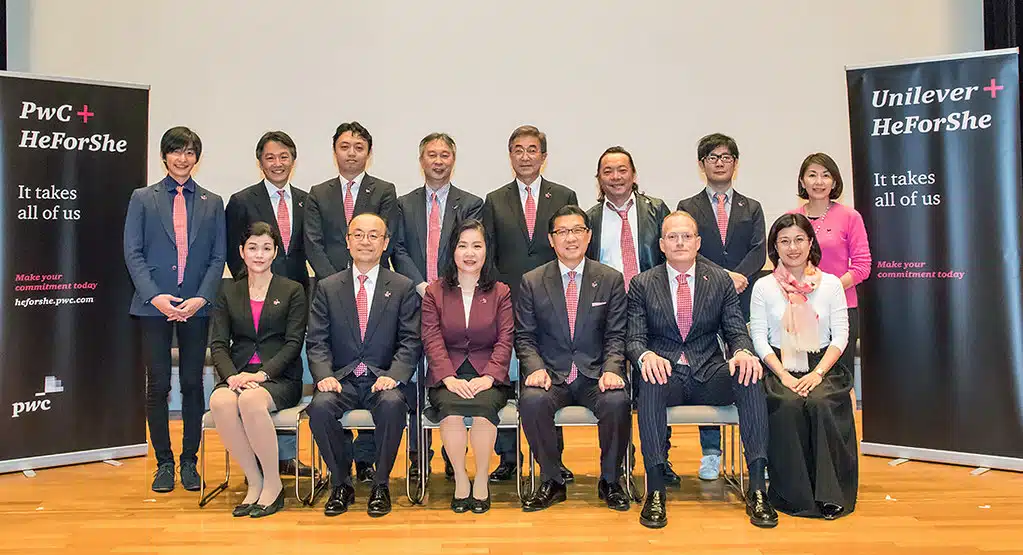
What are women’s rights issues in Japan?

What are women’s rights issues in Japan?

This article provides an overview of the current state of women's rights in Japan, including legal reforms, social norms, workplace discrimination and harassment, domestic violence, and the impact of Covid-19 on Japanese women. Despite some progress made through legislation towards gender equality, traditional social norms still prevail in many aspects of life in Japan leading to persistent inequalities between men and women. This includes unequal access to jobs and career advancement opportunities as well as higher rates of domestic violence and sexual harassment. The Covid-19 pandemic has further exacerbated these issues with an increase in precarious employment situations caused by lockdown restrictions. It is essential that greater efforts are made to ensure all citizens have access to basic human rights and freedoms regardless of gender.
How do you address a woman in Japan?

How do you address a woman in Japan?

This article provides an overview of the cultural context, honorific titles in Japan, and how to address a woman in Japan as a stranger, acquaintance, or close friend or relative. It explains that Japanese culture has a long history of respect for authority and hierarchy within society which is reflected in the language and how people address each other. There are various honorific titles used when addressing someone that indicates their social status or relationship with the speaker. It also outlines how women should be addressed according to their age and relationship with the speaker so as not to offend anyone unintentionally.
What are gender roles in Japan?

What are gender roles in Japan?

This article explores the history and evolution of gender roles in Japan, from traditional expectations of men as breadwinners and women as homemakers to more flexible roles in modern times. It examines the impact of gender roles on education and employment opportunities, Japanese government policies to promote gender equality, and resources for further reading. While progress is being made towards greater gender equality, there is still much work left to be done before true equality is achieved in Japan.
What is the ideal woman in Japan?

What is the ideal woman in Japan?

This article examines the changing image of the ideal woman in Japan, looking at traditional gender roles and expectations for women. It highlights physical attributes such as slimness, pale skin, long black hair and small eyes as well as personality traits such as kindness, loyalty, honesty and humility. It also discusses education, career prospects and marriage & family life responsibilities that are expected of an ideal woman. All these factors come together to form an image of what many people consider to be “the perfect woman” according to traditional standards set by society.
Is it hard to get a job in Japan as a foreigner?

Is it hard to get a job in Japan as a foreigner?

This article provides an overview of the Japanese labor market and types of jobs available for foreigners in Japan, as well as advice on how to find a job in Japan as a foreigner. It outlines the hiring process, language requirements, and tips on how to get a job in Japan, such as networking, researching employers, being prepared with documents, and taking advantage of government programs. With enough preparation and perseverance, anyone can successfully find gainful employment abroad.
Do foreigners get paid more in Japan?

Do foreigners get paid more in Japan?

This article looks at the Japanese wage system and how it affects foreigners working in Japan. It discusses factors such as qualifications, experience level, location, company size/type, and exchange rates which all play a role in determining salary levels for foreign workers. Additionally, there are benefits associated with working abroad such as increased flexibility, networking opportunities and travel experiences which should also be taken into consideration when making decisions about whether or not to pursue job opportunities overseas.
Are foreigners paid well in Japan?

Are foreigners paid well in Japan?

This article explores the wages and working conditions for foreigners in Japan, including the average salary of full-time employees, benefits offered, language skills required, income tax and social security contributions. It is generally true that foreigners earn more than local nationals due to their language skills and specialized knowledge/expertise related to their field of work, but other factors such as experience level, education background, industry sector, location within the country and job title can also affect wage levels.
What time does work start in Japan?

What time does work start in Japan?

This article explores the traditional and modern working hours in Japan, as well as the impact of the COVID-19 pandemic on Japanese work schedules. Generally, work starts at 8:30am but this can vary depending on each company's individual needs. Traditional Japanese culture emphasizes long hours during the weekdays and sometimes even Saturdays, however this practice has become less common over the years due to changes in labor laws and an increased focus on work-life balance. Companies are now offering more flexible working arrangements such as telecommuting, part-time positions, and staggered shifts to promote a healthier work-life balance while still allowing employers to meet their business objectives efficiently.
Do Japanese work on weekends?

Do Japanese work on weekends?

This article explores the working culture of Japan, including the standard five-day working week and whether or not Japanese people work on weekends. Generally, it is not common for most people in Japan to work on weekends, however certain industries such as retail or hospitality may require weekend shifts due to customer demand. Overtime is allowed but there are laws governing how many hours a person can work per day and week, with overtime pay being at least 25% higher than normal wages.