Are there poor areas in Japan?

Are there poor areas in Japan?

Despite being a prosperous country, Japan still has areas of poverty and economic struggle. The poverty rate in Japan was 15.7% in 2017, which means approximately 20 million people live below the poverty line. Rural areas rely heavily on agriculture and have fewer job opportunities than urban areas, leading to a higher poverty rate. Urban areas also have pockets of poverty due to retirement, fixed incomes, and single-parent households. Low-wage workers struggle with the high cost of living and lack access to affordable housing or medical care. Homelessness is another issue affecting some people in Japan due to job loss, mental illness, and family breakdowns. Access to quality education and healthcare can be limited for those living in poverty. Although the Japanese government has a welfare system that provides assistance to those in need, some people may not be aware of available resources or feel ashamed to ask for help. The working poor is becoming more prevalent due to a rise in non-regular employment contracts and low wages. Social
Is the red sun Japanese?

Is the red sun Japanese?

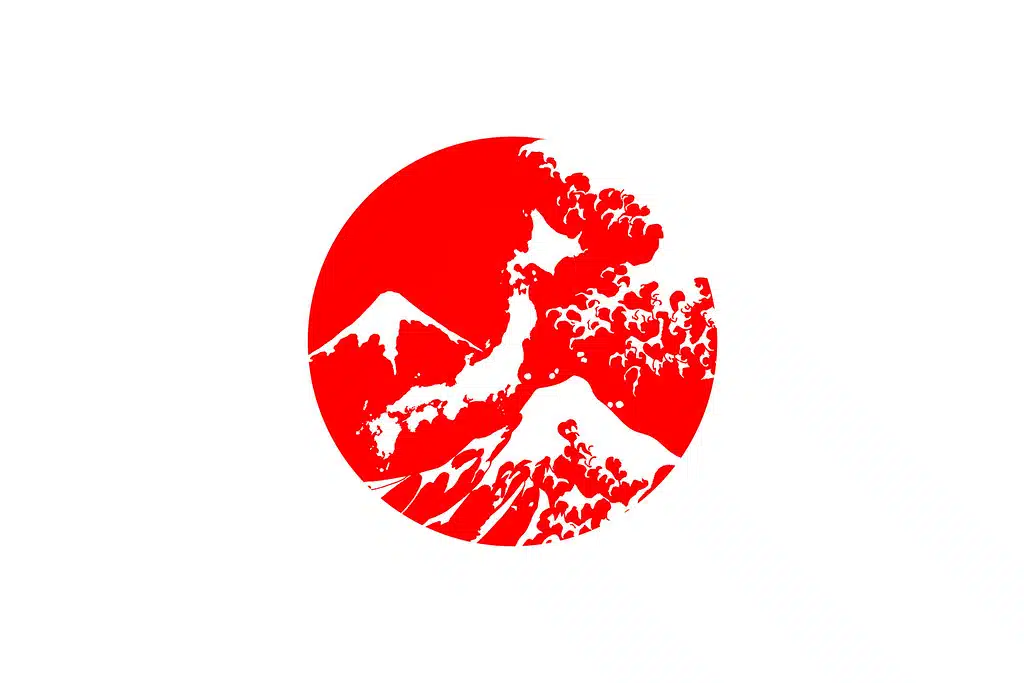
The red sun, also known as the Hinomaru, has been a symbol of Japan for over a thousand years and is associated with strength, purity, and enlightenment. It is believed to have been first used as a military banner during the Kamakura period in the 12th century. The Japanese flag features a white background with a large red circle in the center and has been used as the national flag since 1999. While there have been controversies surrounding its use in modern-day Japan, it remains an important symbol of Japanese culture.
Can an outsider buy a house in Japan?

Can an outsider buy a house in Japan?

Foreigners can buy property in Japan, but the process is not simple and requires understanding legal requirements, cultural differences, and potential challenges. There are no restrictions on foreigners owning property in Japan, but purchasing real estate requires paperwork and legal processes that can be complicated for non-Japanese speakers. Working with a local real estate agent who has experience working with foreign buyers is recommended. Location, cultural differences, financing options, tax implications, and property management considerations should also be carefully considered before closing the transaction.
How much do you need to earn to live comfortably in Japan?

How much do you need to earn to live comfortably in Japan?

This article discusses the cost of living in Japan and how much expats need to earn to live comfortably. It covers expenses such as housing, transportation, food, healthcare, entertainment, clothing, education costs, and currency exchange rates. The article recommends a salary of at least ¥200,000 ($1,900) per month to cover basic expenses and suggests ways to save money.
How fast can the average person learn Japanese?

How fast can the average person learn Japanese?

This article explores how fast an average person can learn Japanese and highlights various factors that affect the learning speed, such as age, motivation, learning style, previous language experience, and exposure to the language. It also provides tips for learning vocabulary, grammar rules, listening comprehension, speaking practice, reading practice, writing practice, and immersion techniques. By employing these techniques and practicing regularly, one can improve their chances of learning Japanese quickly and effectively.
How much does it cost to live good in Japan?

How much does it cost to live good in Japan?

This article explores the cost of living in Japan, covering areas such as housing, food, transportation, healthcare, education, taxes, entertainment, clothing, utilities and communication. While some expenses like housing and entertainment can be high, there are also affordable options available. Careful budgeting and saving can help individuals live well while experiencing all that Japan has to offer.
How many Japanese words do I need to know?

How many Japanese words do I need to know?

The number of Japanese words a learner needs to know depends on their goals and level of proficiency. The Japanese Language Proficiency Test (JLPT) has five levels, with the highest level requiring knowledge of around 10,000 words. However, depending on one's goals, such as studying abroad or working in a Japanese-speaking company, more or less proficiency may be required. Context is also important in understanding Japanese vocabulary, and practice is necessary for true language proficiency.
What is considered a good salary in Japan?

What is considered a good salary in Japan?

This article explores the factors that determine salary levels in Japan and provides insights into what is considered a good salary in the country. The cost of living, minimum wage, industry, education and experience, gender pay gap, bonuses and benefits, working hours, living standards, career growth opportunities, and company size and reputation are all important considerations. By taking these factors into account, individuals can determine what constitutes a good salary for their needs and goals.
How much does it cost to live in Japan in USD?

How much does it cost to live in Japan in USD?

This article provides a breakdown of the various expenses associated with living in Japan, including accommodation, food, transportation, healthcare, education, entertainment, clothing, communication, taxes, and miscellaneous expenses. It highlights that while some costs can be high, such as tuition fees for schools and universities and entertainment expenses like visiting tourist attractions or theme parks, other costs like food and clothing can be relatively affordable. The article concludes that it is possible to live comfortably on a budget in Japan if you are mindful of your spending and plan your finances accordingly.
Can I retire in Japan as a foreigner?

Can I retire in Japan as a foreigner?

Retiring in Japan as a foreigner can be a rewarding experience, but it requires careful planning and preparation. To retire in Japan, one needs to obtain a long-term visa, show proof of financial stability and health insurance coverage, and navigate complex cultural and bureaucratic systems. The cost of living in Japan can be high, particularly in cities such as Tokyo or Osaka. Additionally, language barriers can be difficult to overcome, and finding suitable housing and navigating the complex healthcare system can also be challenging. However, the benefits of retiring in Japan - including excellent healthcare, safety, and cultural opportunities - make it an attractive option for many retirees.