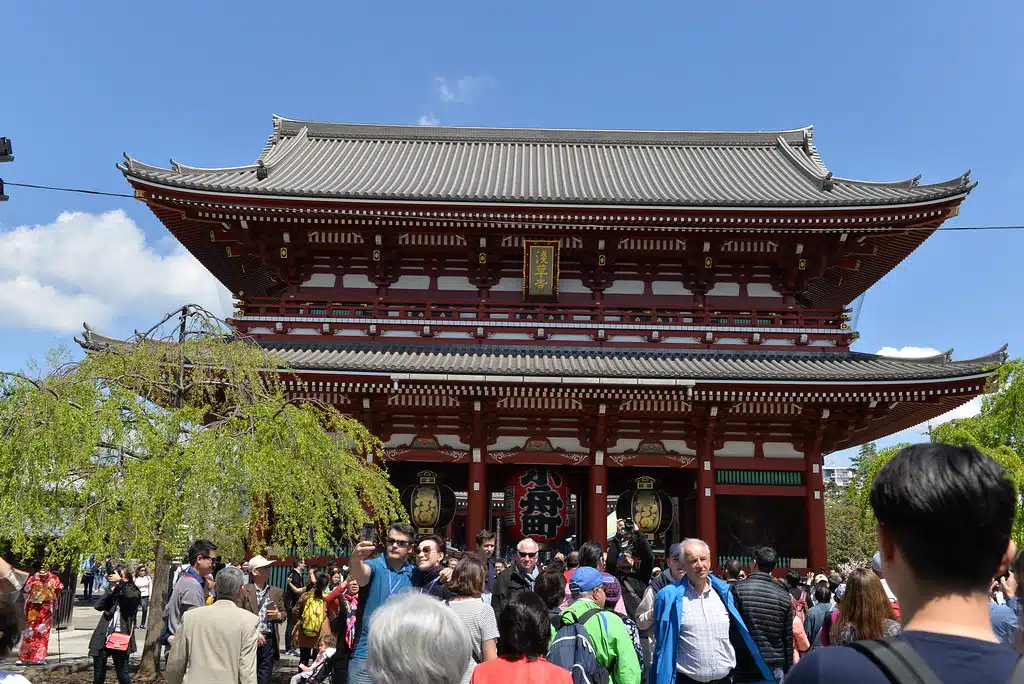
What do Japanese think of foreigners with tattoos?

What do Japanese think of foreigners with tattoos?

Japanese society has had a long and complicated history with tattoos, often associating them with criminality and social outcasts. In recent years, attitudes towards tattoos have become more accepting in Japan, however there is still a certain stigma attached to foreigners with visible tattoos. Generally, Japanese people tend to view foreigners with visible tattoos differently than those without them due to the historical context of tattooing in their culture. There are exceptions where foreigners with visible body art can feel welcome and accepted regardless of their body art choices such as tattoo studios, youth culture and certain areas within Tokyo and Osaka. It is important for visitors from other countries who plan on travelling/living/working in Japan to remember this cultural difference and take necessary precautions when visiting public places like temples & shrines.
Can you buy a house in Japan for 0?

Can you buy a house in Japan for $500?

This article explores the costs of buying a house in Japan, factors that affect the price of a home, government support for housing, and how to find affordable housing. It also provides answers to frequently asked questions about buying a house in Japan and expert advice from Charles R Tokoyama CEO Of Japan Insiders. While it may be possible to buy a house in Japan for $500, it is not likely to meet most people's definition of "affordable". However, with government support programs and options outside major cities, finding an affordable home within your budget is possible if you know where and how to look.
Can you go to the beach in Japan with tattoos?

Can you go to the beach in Japan with tattoos?

This article explores the history, cultural significance, legal status, and what to do if you want to go to the beach in Japan with a tattoo. Tattoos have long been associated with criminal activity and gangs in Japan, so it is not recommended that you go to public beaches or pools with visible tattoos. However, there are some private beaches which allow people with tattoos access without any issues. It is important for visitors to cover up their tattoos when visiting public spaces and show respect towards locals by avoiding loud music/partying.
How much do houses in Japan cost?

How much do houses in Japan cost?

This article provides an overview of the Japanese housing market, including factors that affect house prices, average home prices, and tips for buying a home in Japan. The average cost of a house in Japan is approximately ¥23 million ($200,000 USD), with Tokyo being one of the most expensive cities to buy property due to its large population and limited space availability. Building a home from scratch can be expensive due to labor costs and materials involved with construction projects in Japan. Tips for buying a home include researching different areas, setting a realistic budget, and doing plenty of research into potential properties before making any decisions.
What area in Japan has the highest crime rate?

What area in Japan has the highest crime rate?

This article explores which areas of Japan have the highest crime rates and what factors contribute to these high crime rates. According to statistics from the Japanese National Police Agency (NPA), Tokyo had the highest number of reported crimes at 634,053 followed by Osaka (291,521), Kanagawa (163,914) and Aichi (127,639). Factors such as poverty and unemployment levels, population density, cultural differences between regions, lack of policing resources in certain areas, and organized criminal activity can all contribute to higher crime rates in certain regions or cities.
What does ara ma mean in Japanese?

What does ara ma mean in Japanese?

This article explores the meaning and usage of the Japanese phrase "ara ma", which is often used to express surprise or confusion. It can also be used as a way to get someone's attention or to punctuate a conversation. The origin of the phrase is uncertain but it is believed to have originated from an old Chinese proverb. Additionally, this phrase can be interpreted in different ways depending on how it is used in context, such as expressing disbelief or skepticism, and there are variations such as "arama-sama" that add honorific language for emphasis. Finally, it should be used carefully depending on the tone and context of the conversation.
When should you not visit Japan?

When should you not visit Japan?

This article discusses the various factors to consider when planning a trip to Japan, such as climate conditions, natural disasters, political unrest, health risks, cultural considerations, cost of living and travel restrictions due to COVID-19. It is important for visitors to be aware of these factors in order to have a safe and enjoyable experience while visiting Japan.
What is Arara in Japanese?

What is Arara in Japanese?

This article explores the history, meaning, different types, and cultural significance of the Japanese expression "Arara". It provides tips on how to use it correctly in conversations and explains why it has become an integral part of everyday life among Japanese people. It also highlights the importance of understanding this unique aspect of the language when learning about Japan's culture.
Where should I go in Japan for the first time?

Where should I go in Japan for the first time?

This article provides a guide for first-time travelers to Japan, exploring the best places to visit in the country. Highlights include Tokyo, with its modern skyscrapers and traditional temples; Kyoto, home to ancient temples and traditional culture; Osaka, known as ‘Japan’s Kitchen’ for its culinary delights; Sapporo, a winter wonderland full of snow activities; Hiroshima, which is a symbol of peace with memorials dedicated to those who lost their lives during World War II; and Okinawa Prefecture, with stunning tropical beaches surrounded by lush green forests.
Is it easy to get a job in Japan?

Is it easy to get a job in Japan?

This article provides an overview of the job market in Japan, the qualifications needed to get hired, and tips for successful interviews. It explains that the country's population is aging rapidly and companies often prefer to hire Japanese citizens over foreigners due to cultural differences and language barriers. It also outlines how to find a job in Japan, such as using online resources or networking with people already established in your desired field. Finally, it provides useful advice on interview etiquette and how to follow up after an interview. With the help of Charles R. Tokoyama, CEO of Japan Insiders, those interested can learn more about getting a job in Japan and have a better understanding of how to find the perfect fit for their needs.