Does Japanese treatment damage hair?

Does Japanese treatment damage hair?

This article explores the types of Japanese hair treatments available, their potential benefits and side effects, and how to choose the right one for your hair type. It also provides tips on how to care for your hair after a treatment, as well as different types of Japanese products available. In general, these treatments are considered safe when performed correctly by experienced professionals. However, it is important to do research beforehand and take extra care when washing and styling your hair afterwards in order to avoid any further damage.
Why is white skin beautiful in Japan?

Why is white skin beautiful in Japan?

This article examines the long-standing preference for white skin beauty in Japan. It explores its historical roots, cultural and social significance, and how it has been promoted through the media. It also looks at criticisms of this ideal and how attitudes towards it are changing among younger generations who are increasingly embracing diversity when it comes to physical appearance. Ultimately, understanding why white skin is so highly valued within Japanese culture requires taking into account both its historical context as well as how it affects individuals today.
Do Japanese wear a lot of makeup?

Do Japanese wear a lot of makeup?

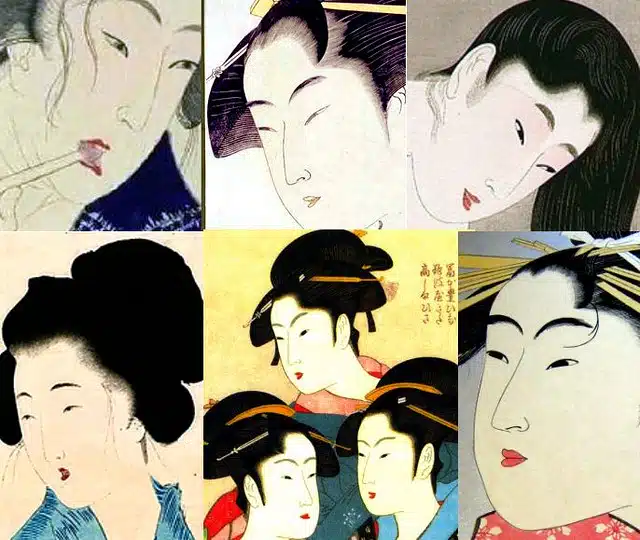
This article examines the use of makeup in Japan, exploring traditional and modern styles, popular brands, factors influencing its use, and more. Traditional Japanese makeup is known as “kabuki” or “geisha” makeup and is characterized by heavy white foundation, bold red lips and cheeks, and black eyeliner that extends outward from the eyes in a dramatic fashion. Modern Japanese makeup is much more subtle with lighter coverage foundation with a more natural finish and minimal eye makeup. Makeup is popular in Japan among both men and women for enhancing their appearance. Factors influencing its use include cultural influences such as traditional kabuki/geisha styles as well as modern beauty standards; societal influences; economic influences; technological advances; media influence; peer pressure; and personal preference. Popular brands include Shiseido, Kose, SK-II, Kanebo, Canmake, Clé de Peau Beauté and Suqqu. Current popular trends include natural looking base make-
Why Japanese take a bath at night?

Why Japanese take a bath at night?

This article explores the history and benefits of taking a night time bath in Japan, as well as traditional bathroom design elements, popular night time bath rituals, and tips for enjoying a Japanese-style night time bath. Benefits include physical relaxation and mental clarity, while traditional elements such as privacy, comfort, and relaxation are encouraged through the use of tatami mats or other soft flooring materials. Popular rituals such as Shinrin-yoku (Forest Bathing) and Ofuro (Foot Soaking) are also discussed. Finally, tips for getting the most out of your Japanese-style night time bath are provided.
Can Japanese students wear makeup?

Can Japanese students wear makeup?

This article explores the cultural perspective on makeup in Japan, from its origins in the Heian period to its modern use among Japanese students. It outlines the differences between Japanese and Western makeup styles, as well as the reasons why Japanese students wear makeup. Common types of cosmetics worn by students are discussed, along with tips for applying makeup. There is an emphasis on natural beauty and light coverage rather than dramatic looks or heavy contouring.
Do Japanese use rice water for skin?

Do Japanese use rice water for skin?

This article explores the history and use of rice water as a beauty treatment in Japan. It discusses the nutrient content of rice water, its benefits for skin health, how Japanese people use it on their skin today, different types of rice water used, and how to make your own at home. Additionally, precautions and potential side effects are discussed.
What are the beauty standards in Japan?

What are the beauty standards in Japan?

This article explores the beauty standards in Japan, including makeup and hair styles, skin care and whitening products, Japanese diet culture, plastic surgery in Japan, Japanese celebrities as beauty icons, and the future of beauty standards in Japan. It emphasizes natural beauty trends such as light foundation or BB cream to even out skin tone, subtle blush to highlight cheekbones, and muted eye shadows with minimal eyeliner or mascara. It also discusses straight hair being popular among both men and women in Japan, vibrant colors like pink and blue becoming increasingly popular among young people in Tokyo for hair dyeing, skin care products focusing on whitening the skin or evening out skin tone being big business in Japan, Japanese diet culture playing an important role when it comes to beauty standards in Japan with eating healthy foods like fish, fruits and vegetables being seen as important for maintaining good health which translates into good looks. Plastic surgery has become increasingly popular among some segments of society in recent years. Lastly it talks about how Japanese celebrities have
What makes Japan attractive?

What makes Japan attractive?

Japan is a unique and captivating country that offers something for everyone. From its stunning landscapes to its delicious cuisine, vibrant culture, innovative technology, shopping opportunities, entertainment options, cost-effective living costs, and commitment to safety - it's no wonder why it continues to be one of the most popular tourist destinations in the world. With its abundance of natural beauty, traditional dishes, ancient temples and shrines, cutting-edge gadgets, amusement parks and nightlife - Japan is sure to provide an unforgettable experience for all visitors!
Did Japanese men wear makeup?

Did Japanese men wear makeup?

This article explores the history of Japanese men wearing makeup, the types of makeup they wear, why they wear it, and its impact on Japanese culture. It discusses how makeup has been part of Japanese culture for centuries and is now seen as a form of self-expression. It also examines the reasons behind wearing makeup by Japanese men, famous celebrities who wear makeup in Japan, and the impact of social media on its use. Lastly, it looks at the increasing popularity of male beauty products in Japan today.
Why do Japanese people look younger?

Why do Japanese people look younger?

This article explores the reasons why Japanese people tend to look younger than their Western counterparts, such as diet, sun protection, skincare routine, stress management, genetics, exercise habits and cultural differences. It is important for everyone regardless of ethnicity or nationality to take proper care of their skin if they wish to retain a youthful appearance for longer periods of time.