How do you pay for food in Japan?

How do you pay for food in Japan?

This article provides an overview of the various payment methods available in Japan, such as cash, credit/debit cards, mobile payments, prepaid cards and online payments. It outlines the benefits and pitfalls of each method so travelers can make informed decisions about how to pay for food while travelling in Japan. Cash and debit/credit cards are the most convenient forms of payment but mobile payments via apps like Line Pay or prepaid cards like Suica offer another option for those who don't want to carry around large amounts of cash. Ultimately, safety should always be a priority when handling money regardless of form.
Is Japan cash only?

Is Japan cash only?

This article provides an overview of the payment system in Japan, focusing on cash and credit card use. Cash is still the most widely used form of payment, accounting for approximately 80% of all transactions. Credit cards are accepted at most stores and restaurants, but not all establishments. There are also several alternative payment methods available such as prepaid cards, mobile wallets, bank transfers via ATMs, and cryptocurrencies. Each method has its own advantages and disadvantages which should be considered before deciding on which one to use for payments in Japan.

Do they have Uber in Japan?

This article explores the topic of Uber in Japan, including whether or not it is available, how to use it, benefits and challenges of using Uber in Japan, and alternatives to Uber in Japan. It is possible to use Uber in Japan, although there are some important distinctions between how it works here compared to other countries where it operates. Benefits of using Uber include convenience, affordability, reliability, flexibility and safety. Challenges include language barriers, limited availability outside major cities and lack of wheelchair accessible vehicles. Alternatives to Uber include taxis, train/subway systems, bicycle rentals, bus services and car rentals.
Is 10 days in Japan enough?

Is 10 days in Japan enough?

This article provides an overview of taking a 10-day trip to Japan, including the pros and cons, a sample itinerary, and tips for making the most out of your vacation. Japan is a fascinating country with a rich culture that dates back thousands of years, offering visitors an array of activities from visiting traditional shrines or temples to shopping at some of the world's largest department stores. Taking a 10-day trip through Tokyo and Kyoto gives travelers an excellent overview into Japanese culture while still having enough free time each day for sightseeing or optional activities.
When should I buy Japan tickets?

When should I buy Japan tickets?

When planning a trip to Japan, understanding the best time to buy tickets is key to getting a great deal. Generally speaking experts recommend booking at least two months in advance to take advantage of early bird discounts offered by airlines, while also avoiding peak times like weekends or holidays to help keep costs down further. Additionally, travelers should always shop around and compare multiple routes/airlines to ensure they’re getting the best price available.
How many days can you stay in Japan?

How many days can you stay in Japan?

This article discusses the maximum stay duration in Japan for visitors, tourist visa requirements, working holiday visas for longer stays, special residence permits for long-term stays, how to extend your stay in Japan and tips on what to do when you overstay your visa. The maximum legal amount of time one can remain within Japanese borders without obtaining additional visas or permits is 90 days under most circumstances. It is important to take all necessary steps prior arrival and during the trip itself so that no issues arise due to overstaying visas or other legal matters.
Do you need a visa to go Japan?

Do you need a visa to go Japan?

This article provides an overview of Japan's visa requirements for foreign nationals, including who needs a visa, how to apply for one, the types of visas available and the associated costs and processing times. It is important to note that all visitors must obtain a valid visa before entering or staying in Japan, unless they are from one of the countries exempt from requiring one.
What is tsunami season in Japan?

What is tsunami season in Japan?

This article provides an overview of tsunamis in Japan, including their causes, when they typically occur, which coastal areas are most vulnerable to them and the warning systems and preparedness measures that have been put in place. It also looks at some of the historical tsunamis that have occurred in Japan over the centuries. Tsunami season in Japan usually lasts from May to October and can be particularly dangerous when it coincides with typhoon season. The Japanese Meteorological Agency (JMA) monitors seismic activity throughout Japan and issues warnings when necessary so that people can take appropriate measures to protect themselves from potential danger.
What is the Golden Route Japan?

What is the Golden Route Japan?

The Golden Route Japan is a popular tourist path connecting Tokyo to Kyoto and other iconic destinations. It offers visitors an opportunity to experience some of Japan's most famous attractions such as Mount Fuji, Hiroshima Peace Memorial Park, Kiyomizu-dera Temple in Kyoto and much more. Travelers can create their own custom itinerary based on their interests and desired destinations along this route. Tips for making the trip enjoyable include booking accommodation ahead of time, visiting during off peak season, purchasing a JR Pass and taking advantage of free Wi-Fi spots.
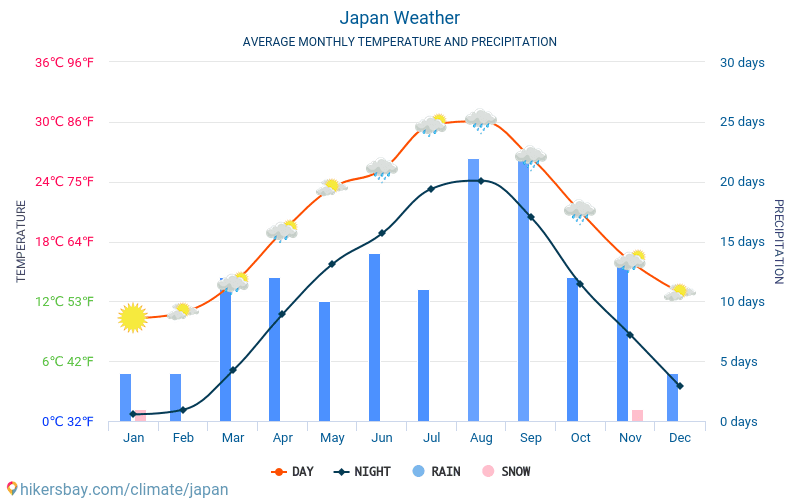
What month has the best weather in Japan?

What month has the best weather in Japan?

This article explores the various weather patterns and climates throughout Japan, discussing which month is the best for good weather. Generally speaking, May is considered to be the best month due to its mild temperatures and plenty of sunshine hours that allow visitors to enjoy outdoor activities without too much heat or humidity getting in their way.