Do the Japanese use pillows?

Do the Japanese use pillows?

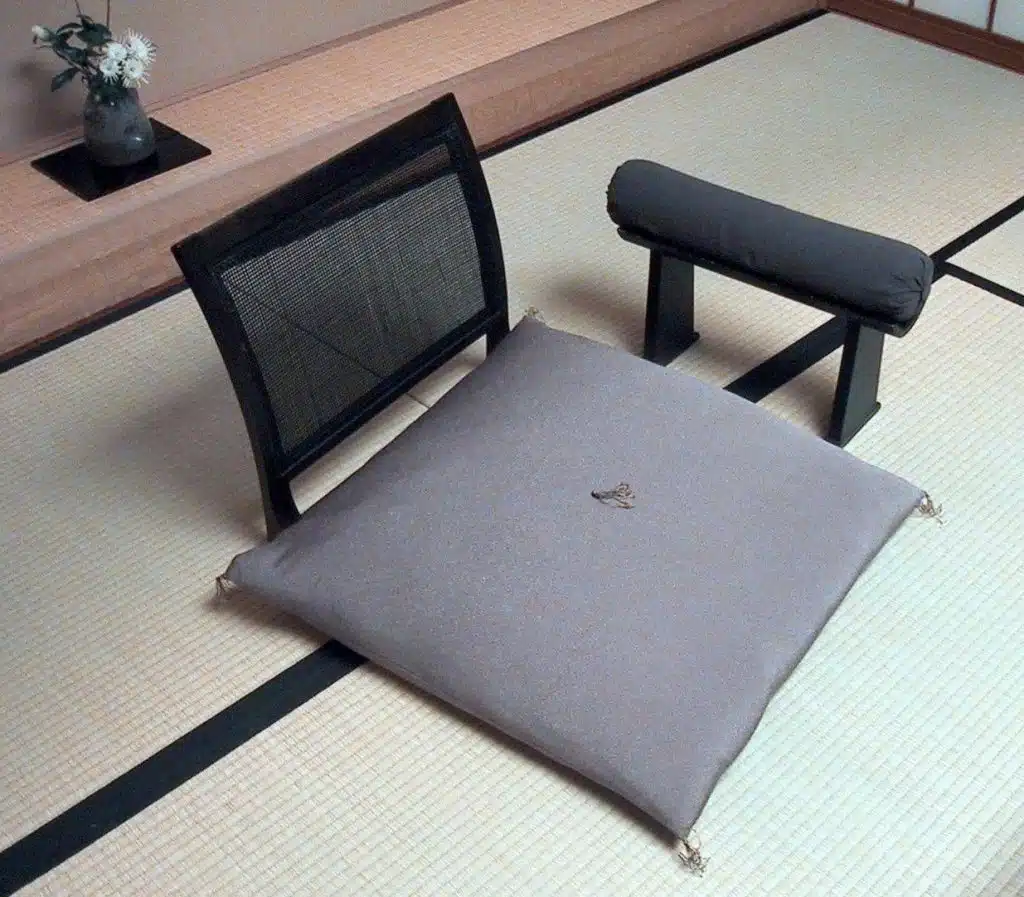
This article explores the history of pillow use in Japan, from ancient times to present day. It looks at different types of traditional Japanese pillows and their role in culture, as well as modern uses. It also discusses the benefits of using a traditional Japanese pillow and where to buy one. Pillow use has been an important part of life in Japan for centuries, providing comfort and relaxation during sleep or leisure activities, and being used as symbols of status due to their luxurious designs.
Is it OK to be late in Japan?

Is it OK to be late in Japan?

This article discusses the Japanese cultural perspective on being late, different types of tardiness in Japan, what is considered acceptable, punctuality and respect in Japan, business etiquette when it comes to being late, social etiquette when it comes to being late, and the consequences of being late in Japan. Generally speaking, arriving five minutes before an appointed time is considered “on time” while arriving five minutes after an appointed time is considered “late”. Punctuality and respect are highly valued in Japanese culture so it is important to always make an effort to arrive on time for any appointment or meeting. In addition, arriving 10-15 minutes after the start of a social event may be acceptable depending on the situation but try not to arrive too much later than 15 minutes as this could indicate a lack of consideration towards your host.
What is Japanese parenting like?

What is Japanese parenting like?

This article explores Japanese parenting and its unique style of parenting that has been shaped by the country’s culture, history, and values. Respect for elders is a core value of the traditional family structure in Japan, which also emphasizes education and discipline. Modern trends have shifted towards more relaxed styles including increased focus on emotional intelligence rather than just academic performance. This article covers the history of Japanese parenting, role of respect within it, how education plays a role in academic success in Japan, discipline and punishment in Japanese families, socialization and interaction with others, and modern trends in Japanese parenting.
What is disrespectful in a Japanese restaurant?

What is disrespectful in a Japanese restaurant?

This article provides an overview of the etiquette and respectful behavior that should be followed when dining out in a Japanese restaurant. It outlines tips for polite behavior, such as speaking politely to staff and other customers, thanking the chef after eating, and refraining from taking photos without permission. Additionally, it covers what behaviors should be avoided while dining out in a Japanese restaurant, such as touching utensils or plates with hands instead of chopsticks and taking food off another person's plate without permission. Following these guidelines will ensure everyone has an enjoyable experience.
Why is the Japanese diet so healthy?

Why is the Japanese diet so healthy?

The traditional Japanese diet is considered one of the healthiest in the world. It consists mainly of rice, fish, vegetables, seaweed, soy products, and fruits and emphasizes freshness and quality over quantity. The diet has many benefits such as providing essential vitamins and minerals, supporting local farmers, and helping to maintain a healthy weight. Fish is an important part of the diet due to its high nutritional value and health benefits. Fermented foods are also staples in the diet due to their numerous health benefits. Traditional cooking techniques help preserve more nutrients than other methods do. Exercise is also an important part of maintaining a healthy lifestyle in Japan.
Why the Japanese diet is so healthy?

Why the Japanese diet is so healthy?

This article explores the traditional Japanese diet and why it is so healthy. It looks at the types of food eaten, the health benefits associated with the diet, and how eating habits in Japan promote health and wellness. Additionally, it discusses how fish, seafood, soy products, and fermented foods are part of this diet as well as the role of exercise in maintaining a healthy lifestyle in Japan. The traditional Japanese diet has been linked to numerous health benefits and can help reduce the risk of chronic diseases while improving overall health.
What is the Japanese version of Turkish Delight?

What is the Japanese version of Turkish Delight?

Turkish Delight, also known as Lokum or Rahat Lokum, is a traditional sweet delicacy originating from the Ottoman Empire in the 18th century. It is usually flavored with rosewater, lemon or mastic and often contains chopped dates, pistachios or other nuts. The Japanese version of Turkish Delight is called “Rakugan” which differs in its texture and flavor due to its unique ingredients including rice flour, sugar syrup and starch syrup instead of cornstarch. Rakugan comes in many flavors such as green tea (matcha), black sesame seed (goma), chestnut (kuri) and strawberry (ichigo). It can be enjoyed on its own as a snack or dessert but it's also commonly served alongside other traditional sweets like dango(rice cakes)and mochi(rice cakes filled with sweet bean paste).
What is the most common snack in Japan?

What is the most common snack in Japan?

This article explores the different types of snacks popular in Japan, including savory and sweet options. Popular savory snacks include rice crackers (senbei), dried squid (ika no shiokara), dried fish (katsuo bushi), fried tofu (abura age) and dried seaweed (nori). Popular sweet snacks include mochi, dango and yokan. Traditional Japanese sweets such as wagashi are also enjoyed, with regional variations like Tokyo's sweeter version of senbei. Japanese snacks have become increasingly popular outside of the country due to their interesting shapes/flavors and taste. The most popular snack in Japan is rice crackers, due to their delicious taste, interesting textures/flavors and convenience factor.
What is National sweet of Japan?

What is National sweet of Japan?

This article explores the history and different types of traditional Japanese desserts known as wagashi. These sweets are made from a variety of ingredients and come in many shapes, sizes and flavors. Popular types include mochi (rice cakes), daifuku (filled rice cakes), anmitsu (jelly cubes), yatsuhashi (triangular rice cakes) and manju (steamed buns). These treats have been enjoyed since the Edo period, but can still be found in stores throughout Japan today.
What is the most popular dessert in Japan?

What is the most popular dessert in Japan?

This article explores the history and culture of desserts in Japan, from traditional recipes still being used today to modern creations. Popular Japanese desserts include mochi, dango, anmitsu, taiyaki, and daifuku. Traditional desserts such as wagashi, yokan, manju, and sakuramochi are also discussed. Modern versions like parfaits and taiyaki ice cream cones are becoming increasingly popular. There is something for everyone when it comes to enjoying tasty Japanese desserts!