Can I live in Japan if I don’t know Japanese?

Can I live in Japan if I don’t know Japanese?

This article explores the possibility of living in Japan without knowing Japanese. It provides information on the language, as well as tips and resources for English speakers looking to make their lives easier in Japan. Additionally, expert advice from Charles R Tokoyama CEO OfJapan Insiders is shared on how best navigate life abroad without knowing any local dialects.
Is it rude to talk on the train in Japan?

Is it rude to talk on the train in Japan?

In Japan, there is a culture of silence on the train that should be respected. Talking loudly or engaging in any type of disruptive behavior while riding the train is considered rude and should be avoided at all costs. To respect others while riding the train, it's important to keep conversations brief, avoid using phones (or use headphones if necessary), refrain from eating/drinking/spreading out belongings across multiple seats, offer seats if needed etc. Following these simple rules will help ensure that everyone enjoys their ride without feeling disturbed by loud conversations or other disruptive behaviors.
Do people hug in Japan?

Do people hug in Japan?

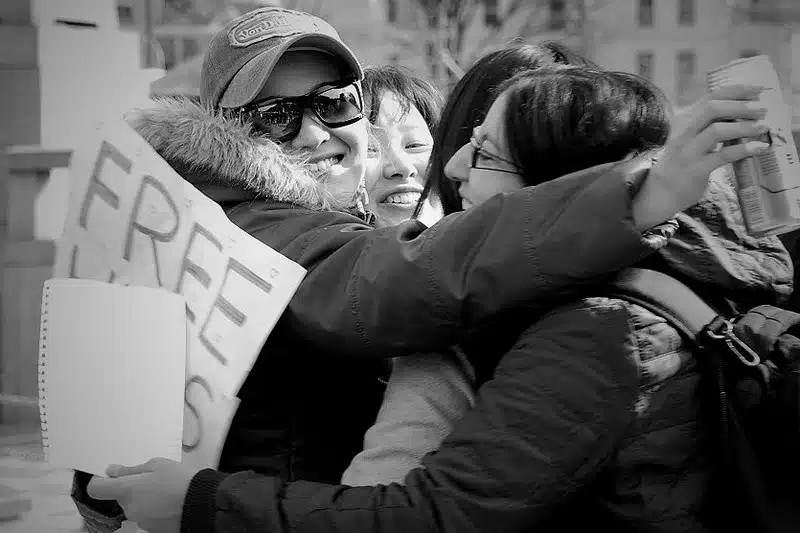
This article looks at the etiquette surrounding hugging in Japan and provides insight from Charles R. Tokoyama, CEO of Japan Insiders. He explains that while hugging isn't necessarily frowned upon in Japanese culture, it's still important to be mindful of social norms and respect personal boundaries when deciding whether or not to give someone a hug. Factors such as age, gender roles, family dynamics and the relationship between people should all be taken into account before engaging in any form of physical contact with someone from Japan.
How to not look like a tourist in Japan?

How to not look like a tourist in Japan?

This article provides tips on how to blend in with the locals while traveling in Japan. Suggestions include learning some basic Japanese phrases, dressing appropriately, using cash instead of credit cards, respecting local customs and traditions, avoiding tourist traps, and being polite and respectful towards strangers. Following these tips should help ensure that your trip is memorable for all the right reasons.

Is it rude to fold money in Japan?

This article discusses the history of money in Japan, why people fold money in Japan, and the etiquette rules that should be followed when folding money. It also explains the different types of money folding techniques and whether it is rude to fold money in Japan. According to Charles R Tokoyama, CEO of Japan Insiders, it is not considered rude or disrespectful to fold money when paying for goods or services in Japan as long as certain etiquette rules are followed such as avoiding creasing bills and refraining from using large denomination notes unless necessary.
Do they kiss in Japan?

Do they kiss in Japan?

This article explores the cultural norms of kissing in Japan, including common types of kissing, how to initiate and reject a kiss, and common misconceptions. Kissing is not widely accepted in Japan and public displays of affection are discouraged. However, it is acceptable for young people to kiss on the cheek at festivals or special occasions. There are two main types of kissing: esukīru (light peck on the cheek) and oshaburi (passionate lip-to-lip contact). Gender roles and age differences play a role in who may initiate a kiss. Communication is key when initiating or rejecting a kiss and understanding cultural norms is important.

How do the Japanese treat their guests?

In Japan, hospitality and etiquette are highly valued and guests are welcomed with a warm smile and gracious hospitality. Greeting guests is an important part of Japanese culture, and upon arrival it is customary to bow and say “yoroshiku onegai shimasu”. Traditional etiquette includes offering a cup of tea or coffee as a gesture of hospitality, removing shoes before entering someone else's home, speaking politely, addressing people by their last name followed by an honorific such as -san or -sama, following table manners when dining, giving small gifts such as souvenirs from their hometown or region upon departure, and expressing appreciation for the visit. These customs demonstrate respect towards guests and have been passed down through generations since ancient times up until today's modern society.
Is dating normal in Japan?

Is dating normal in Japan?

This article explores the norms and expectations associated with dating in Japan, as well as popular dating apps and sites, cultural differences to consider when dating in Japan, and tips for successful dating. It also provides answers to frequently asked questions about dating in Japan. The article is written by Charles R Tokoyama, CEO of Japan Insiders. He has extensive knowledge on all things related to living abroad within this unique country.
How many days do you need in Japan?

How many days do you need in Japan?

Japan is an incredible country with a unique culture, ancient traditions and beautiful landscapes. It offers a wide variety of experiences for travelers, from vibrant cities to stunning natural beauty. Popular activities include visiting temples and shrines, taking day trips into nature, exploring the nightlife scene in Tokyo or Osaka, attending a traditional tea ceremony or geisha performance, trying out Japanese cuisine and shopping at local markets. Depending on how much time you have available for your trip there are many places worth visiting throughout Japan such as Tokyo, Kyoto and Hokkaido. The best time to visit depends on what type of experience you're looking for. The cost of visiting Japan can vary greatly depending on where you go and what type of activities/experiences you plan on having while there. When planning your trip do research ahead of time, choose an appropriate time frame, consider transportation options and learn basic Japanese phrases. Lastly remember to have fun and enjoy yourself!
Do Japanese help strangers?

Do Japanese help strangers?

This article explores how Japanese culture influences the way strangers are treated in Japan, with examples of how Japanese people have helped those in need. Technology has also played an increasingly important role in helping visitors navigate Japan's complex social landscape. Despite language barriers and cultural differences, most Japanese welcome foreign visitors with open arms due to their hospitality-oriented culture which emphasizes kindness and respect towards all guests regardless of where they come from.