What do locals call Japan?

What do locals call Japan?

This article explores the various names used to refer to Japan by both locals and foreigners, including Nihon, Nippon, and other local variations. It also discusses the meaning behind these terms and regional variations in language and dialects. Lastly, it provides guidance on how to address people from Japan in English with respect and politeness. All of these names ultimately refer back to one single homeland—Japan!
How does Japan call itself?

How does Japan call itself?

This article explores the different names that Japan has been referred to throughout its long and rich history, from Cipangu and Wa in ancient times to Nihon or Nippon which is the official name today. It also looks at how other countries and cultures have referred to Japan in their own languages, such as Japon in French, Giappone in Italian, Япония in Russian and 日本国in Chinese characters.
Why is Japan so popular?

Why is Japan so popular?

Japan is a country with a long history of rich culture and traditions, including Shinto religion, traditional arts and crafts, and martial arts. It also has impressive historical sites such as Kyoto. Japanese cuisine is popular around the world, featuring fresh ingredients sourced locally or sustainably harvested from nearby seas or mountainsides. Japan's natural beauty includes lush forests full of wildlife and picturesque mountain ranges lined with cherry blossoms in springtime. The country is renowned for its technological innovations, particularly robotics technology, as well as its pop culture of anime films and J-Pop music. Finally, deregulation measures have made it easier for foreign businesses to enter the Japanese market. All these factors make Japan a popular destination for visitors from around the world.

How old is Japan?

This article explores the long history of Japan, from its prehistoric origins in 30,000 BC to its modern age in the present day. It discusses the Yayoi Period (300 BC - 300 AD) which saw an influx of new technologies from China and Korea, as well as the emergence of early political states such as Yamato. It also looks at the Kofun Period (250 - 538 AD), Asuka Period (538 - 710 AD), Nara Period (710 - 794 AD), Heian Period (794 - 1185 AD), Kamakura Shogunate (1185 - 1333 AD), and the Meiji Restoration when Emperor Meiji took control over the country ushering in drastic modernization reforms that transformed it into a powerful industrial nation. Thanks to its ability to quickly adapt to changing times while still maintaining its unique identity, Japan is now one of the most advanced nations on earth.
What are 3 interesting facts about Japan?

What are 3 interesting facts about Japan?

This article explores 8 interesting facts about Japan, including its unique cultural traditions, advanced technology, rich history, delicious cuisine, natural beauty and the politeness and hospitality of its people. From ancient tea ceremonies to modern bullet trains, Japan is a fascinating place that has something for everyone!
What do you call a girl in Japan?

What do you call a girl in Japan?

This article provides an overview of how to address girls in Japan, including common words used and cultural considerations. It explains that the most common word for girl is "onna no ko" (おんなのこ) and other terms such as "shoujo" (少女) or "musume" (娘) can be used depending on age. It also outlines how to address adult women using their given name followed by -san, and other commonly used terms such as koibito (sweetheart), kanojo (girlfriend), imouto (little sister), onee-san (older sister), oniisan (older brother), obaasan (grandmother) and ojiisan (grandfather). Finally, it emphasizes the importance of showing respect towards girls regardless of their age or relationship with you.
Can you call a girl san in Japan?

Can you call a girl san in Japan?

This article provides an overview of the Japanese honorific title "san" and how it is used in different contexts. It explains who can use san, when to use it, and cultural considerations when using it. It also provides examples of how to properly use san in conversation.
What is the best way to call Japan?

What is the best way to call Japan?

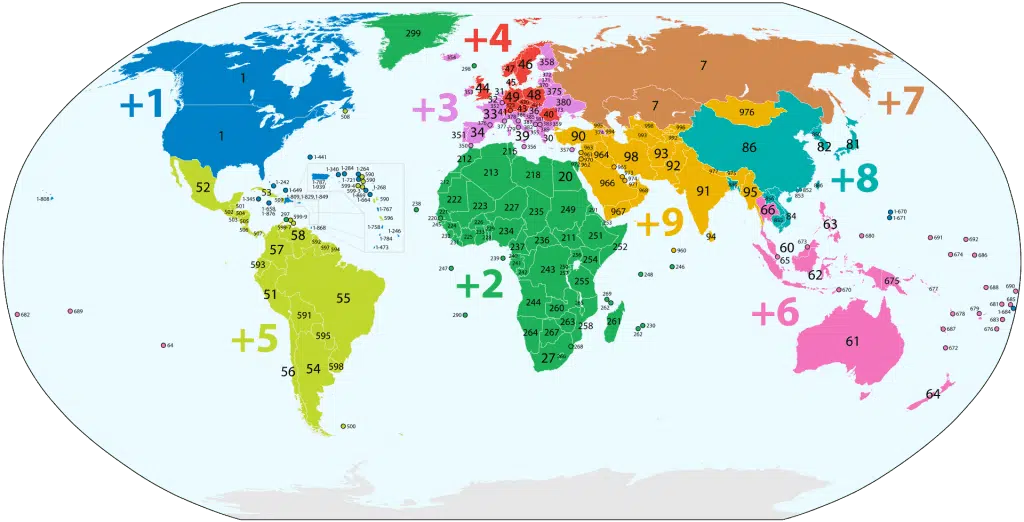
This article discusses the benefits of calling Japan, different ways to call Japan, understanding international calling rates, making calls from Japan to other countries, choosing the best way to call Japan and Charles R. Tokoyama's expert advice on the matter. It provides information on how direct international calls are generally more expensive than VoIP services such as Skype which offer free or low-cost plans for making international calls from your computer or smartphone device, as well as public payphones located throughout major cities which accept coins and prepaid cards which can be purchased at convenience stores throughout the country. Additionally, it offers additional resources for calling into/out of Japan.

Do Japanese call by first name?

This article examines the traditional practice of using family names plus honorific suffixes when addressing someone in Japan and how it has shifted to using first names among friends and colleagues in recent years. It looks at the different types of names used in Japan, when it is appropriate to use first names, what calling someone by their first name signifies, and whether it is common for Japanese people to call each other by their first name. Ultimately, whether someone calls another person by their first name depends heavily on individual preferences and regional customs within Japan itself and should always be done with respect regardless of context or relationship between two parties involved.
Why Japan instead of Nippon?

Why Japan instead of Nippon?

This article explores the origin and usage of both the terms Japan and Nippon, which are commonly used to refer to the nation of Japan. "Nippon" is an old Japanese word that literally translates to “Sun Origin” or “Origin of the Sun” and was first used in the 8th century. The name “Japan” originated from Chinese characters that mean “sun-origin” or “origin-of-the-sun”. It is believed that the use of "Japan" stems from a combination of geography and culture. During The Meiji Restoration in 1868, Emperor Meiji declared that "Japan" should be used instead of Nippon when referring to his nation both domestically and internationally. Today, both terms are still widely used throughout Japan but with slightly different meanings; while "Nippon" generally refers specifically to mainland Japan itself, "Japan" may also include other territories such as Okinawa or Ryu