What makes Japanese so difficult?

What makes Japanese so difficult?

This article examines the various elements of Japanese that make it a challenging language to learn, including its writing system comprised of three distinct scripts, pronunciation rules and gender differences in speech, honorific language and formality levels, kanji characters and vocabulary, and regional dialects. It also includes an expert opinion from Charles R Tokoyama CEO Japan Insiders on the dedication required to learn Japanese.
How do you say hi in Japanese language?

How do you say hi in Japanese language?

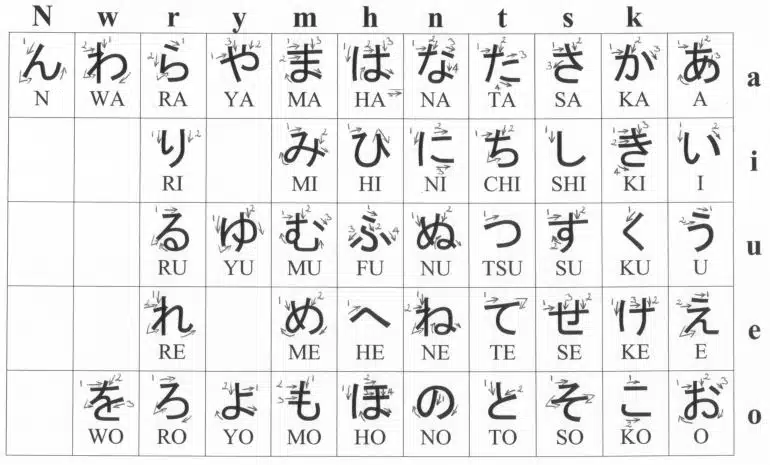
This article provides a guide on how to say "hello", "good morning" and "good evening" in Japanese language, as well as other common expressions of greeting and tips for greeting someone correctly. It is important to note that the phrase こんにちは (konnichiwa) should only be used during the day, while こんばんは (konbanwa) should only be used after dark. Additionally, body language such as bowing your head slightly and smiling are important gestures of respect and politeness when greeting someone in Japan.
What should I learn first in Japanese?

What should I learn first in Japanese?

This article provides an overview of the Japanese language, discussing the writing system, basic grammar and vocabulary, commonly used phrases, and advanced topics. It also outlines the benefits of learning Japanese and provides resources for further learning. With dedication and practice, anyone can learn how to speak Japanese fluently!
Which Japanese is easiest to learn?

Which Japanese is easiest to learn?

This article provides advice on which type of Japanese is easiest to learn and the benefits of learning the language. It discusses two main types of Japanese: Standard Japanese (Tokyo Dialect) and Regional Dialects, as well as factors to consider when deciding which version to learn such as learning style, time commitment, and goals. Charles R. Tokoyama recommends starting with Standard Japanese if your goal is conversational fluency, but encourages learners to explore regional dialects for a deeper understanding of the culture behind the language. The article also provides resources for further learning.
Is Japanese easier than Korean?

Is Japanese easier than Korean?

This article explores the differences between Japanese and Korean in terms of writing systems, grammar, vocabulary, pronunciation, and other factors. It also discusses the pros and cons of learning each language, helping potential students make an informed decision about which one to pursue. Japanese has a relatively simple writing system compared with other East Asian languages and fewer dialects than other East Asian languages so communication across regions can be easier. Korean has a phonetic alphabet that makes pronunciation much simpler and grammar rules are less complicated compared with those found in other East Asian languages. Ultimately it boils down personal preference & dedication when deciding which one to pursue first.
What level of Japanese is Duolingo?

What level of Japanese is Duolingo?

This article explores the level of Japanese offered by Duolingo, a popular language-learning app. It covers topics such as greetings, numbers, colors, food vocabulary and grammar rules. It also has audio recordings from native speakers and a gamified approach to learning. There are pros and cons to using Duolingo for learning Japanese and other resources available online for more advanced learners. Overall, it is an excellent platform for beginners to get started with basic conversational skills but more advanced levels of comprehension require additional resources.
Can I learn Japanese in 10 days?

Can I learn Japanese in 10 days?

This article explores the challenges and rewards of attempting to learn Japanese in 10 days, as well as provides tips, resources, and expert opinion on how to do so. It is possible to make significant progress towards proficiency in a short amount of time with the right resources and strategy in place. However, it is important to maintain a steady pace and consistently practice each day in order to truly master the language quickly and effectively.
How fast can you master Japanese?

How fast can you master Japanese?

This article explores the benefits, challenges, and resources available to those looking to learn Japanese quickly. It provides tips from Charles R Tokoyama, CEO of Japan Insiders, on how to master the language in a short time frame with the help of online courses and free resources such as apps and websites. It also discusses the importance of setting realistic goals and dedicating enough time and effort to achieve them.
How long did it take you to learn Japanese fluently?

How long did it take you to learn Japanese fluently?

Charles R. Tokoyama, CEO of Japan Insiders, provides advice on how to learn Japanese fluently quickly and efficiently. He believes that the key is through immersion by speaking it daily with native speakers, reading books written in the language, and watching movies/TV shows with subtitles. It took him 3 months to reach basic conversational level Japanese and 2 years to become fluent, showing the dedication and hard work needed to master a foreign language. With enough time and effort, anyone can become fluent in a foreign language!
Can you learn Japanese by yourself?

Can you learn Japanese by yourself?

This article explores the benefits and challenges of learning Japanese by yourself, as well as providing resources and advice from an expert. It emphasizes that learning any foreign language requires dedication and hard work, but with the right resources and motivation, anyone can learn Japanese. It also includes tips from Charles R Tokoyama, CEO of Japan Insiders, such as setting realistic goals, finding quality resources, immersing yourself in the language, and getting feedback.