Is it rude to talk on public transport in Japan?

Is it rude to talk on public transport in Japan?

Talking loudly on public transport in Japan is considered impolite due to the country's culture of silence and high level of consideration for others. Maintaining a peaceful and relaxing environment is a priority in Japan's transportation system, and violating this can be seen as disrupting comfort levels and contributing to noise pollution. Passengers are expected to follow unwritten rules of etiquette that prioritize mutual respect for others' privacy and space, with exceptions made for situations such as needing help or directions.
Is Japan or Korean easier to learn?

Is Japan or Korean easier to learn?

This article compares the Japanese and Korean languages, highlighting their similarities and differences in grammar structure, writing systems, pronunciation, vocabulary, and cultural factors. It also discusses resources available for learning each language and job opportunities for speakers of both languages. Ultimately, the decision on which language to learn should depend on personal interests and goals.
Does Japan support Russia?

Does Japan support Russia?

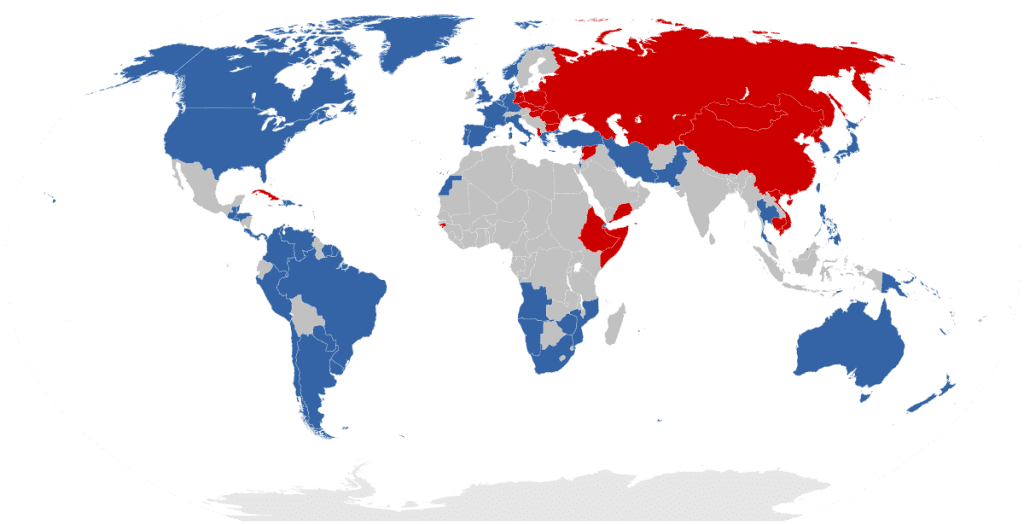
Japan and Russia have a complicated history, with periods of cooperation and conflict. In recent years, economic ties and shared security concerns have become increasingly important in their relationship. Japan has invested billions in Russian energy projects, while Russia is one of Japan's major suppliers of crude oil and liquefied natural gas. The territorial dispute over the Kuril Islands remains a significant obstacle to closer relations, but diplomatic efforts continue. Cultural exchanges and humanitarian cooperation also promote mutual understanding between the two countries. To improve relations, Japan should continue its diplomatic efforts while exploring new areas of cooperation and addressing Russian concerns about its security relationship with the United States.
How much is the average house in Japan?

How much is the average house in Japan?

The average price of a new home in Japan is 33.63 million yen (approximately $310,000), with properties in urban areas being more expensive than those in rural areas. The cost of living in Japan can also be high, but salaries are generally higher to offset this. There are funding options available for buying a house, and foreigners are allowed to own property in Japan with some restrictions. Recent trends in Japanese housing design include incorporating natural elements and creating multi-generational living spaces. Efforts towards sustainable housing and affordable homeownership continue to be implemented by the government. The COVID-19 pandemic has affected the demand for larger homes with outdoor spaces but has also made it difficult for some people to afford homes.
Has Japan ever been at war with China?

Has Japan ever been at war with China?

Japan and China have a long history of political, cultural, and economic relations, but their relationship has been marred by conflicts and wars. The most significant events in the history of Japan-China relations include the First Sino-Japanese War (1894-1895), the Second Sino-Japanese War (1937-1945), and the Pacific War (1941-1945). After World War II, Japan and China normalized diplomatic relations in 1972, but still have unresolved issues over territorial disputes. The most notable dispute is over the Senkaku/Diaoyu Islands, which are claimed by both countries. Historical memory plays a significant role in shaping Japan-China relations as Japan's wartime aggression continues to be a sensitive topic for China and other Asian countries that suffered under Japanese rule during World War II.
Is English a problem in Japan?

Is English a problem in Japan?

The article explores the challenges faced by foreigners who do not speak Japanese fluently in Japan, where English is not widely spoken. It discusses the impact of globalization, challenges for foreigners, English education in Japan, communication in the workplace, the role of technology, cultural differences, language learning resources, and the importance of cultural exchange programs. The article concludes that while language barriers can lead to misunderstandings in personal and professional settings, efforts are being made to improve English education and bridge the gap between different cultures.
Is Japan a Third World?

Is Japan a Third World?

The article explores the debate over whether Japan can be classified as a third world country despite its robust economy, advanced technology, infrastructure, education system, healthcare system, stable government, international relations, cultural significance, and disaster preparedness measures. While some argue that social issues such as long working hours and high suicide rates affect the quality of life for citizens, the article concludes that Japan's overall development status places it firmly in the category of a developed country.
Do Japanese work Saturdays?

Do Japanese work Saturdays?

Japanese work culture is known for its hardworking nature, and while many companies do require their employees to work on Saturdays, there are also efforts being made to reduce this practice. The maximum number of working hours per week in Japan is 40 hours according to labor laws, with any additional hours worked considered overtime and should be paid accordingly. While working on Saturdays can provide benefits such as increased productivity and higher profits for the company, it can also have drawbacks such as decreased employee morale and negative impacts on mental health. Efforts to reduce Saturday work culture in Japan include policies such as Premium Friday, a campaign encouraging companies to let their employees leave early on the last Friday of every month.
What it’s like dating in Japan?

What it’s like dating in Japan?

This article provides a comprehensive guide to dating in Japan, including an overview of Japanese dating culture, tips for finding potential dates, expectations for first dates, communication styles, the role of family in relationships, gift giving etiquette, physical intimacy norms, handling rejection, and navigating long-term relationships. The article concludes with a list of dos and don'ts for those looking to date in Japan.
How long should you visit Japan?

How long should you visit Japan?

This article discusses the different factors that can influence the length of a trip to Japan, including travel goals, budget, time of year, personal interests, and transportation time. While a typical vacation to Japan lasts between 7-14 days, the article suggests tailoring your itinerary based on individual preferences and needs. The article concludes that with careful planning, any length of trip to Japan can be an unforgettable experience.