Is duolingo good for basic Japanese?

Is duolingo good for basic Japanese?

The article explores the effectiveness of Duolingo for basic Japanese language learning. While Duolingo offers gamification and bite-sized lessons, it does not teach grammar rules explicitly, which can hinder the learning experience. The platform uses a combination of text, audio, and visual aids to help learners understand the basics of the Japanese language. Duolingo can be an effective tool for learning languages, but its effectiveness depends on the individual learner's motivation and dedication. To get the most out of learning basic Japanese with Duolingo, learners should set specific goals, create a study schedule, and supplement their learning experience with other resources.
Do Japanese people use hiragana or katakana?

Do Japanese people use hiragana or katakana?

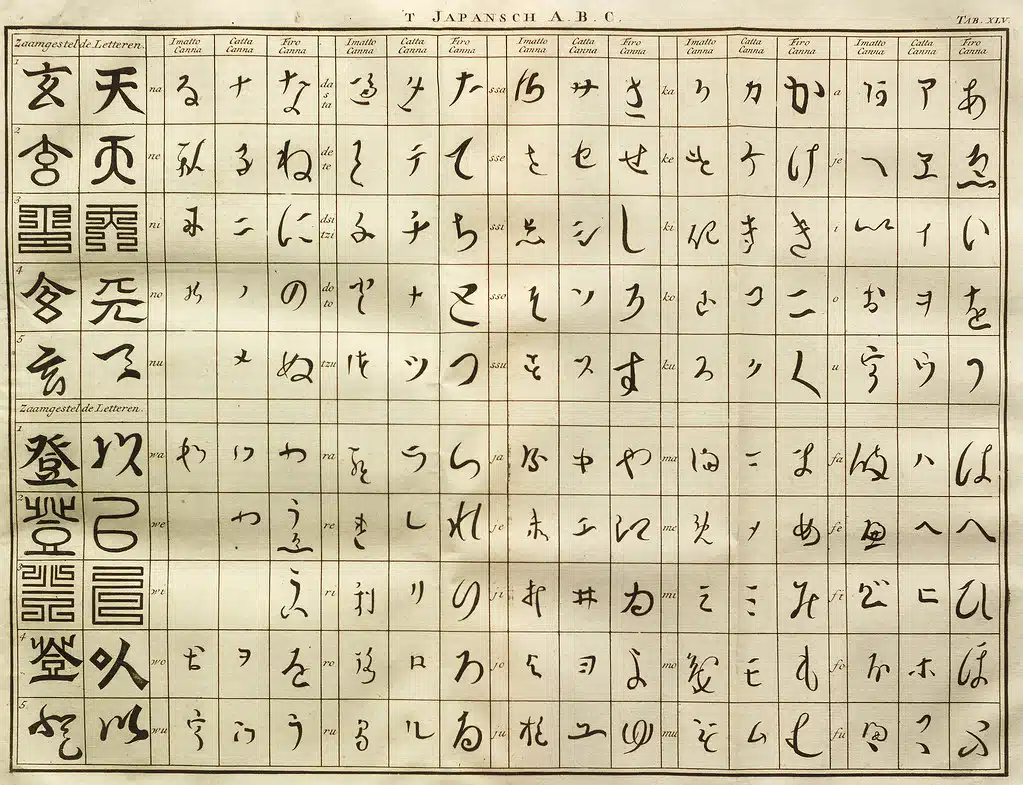
This article explains the differences between hiragana and katakana, two of the three scripts used in Japanese writing. Hiragana is a syllabic script primarily used for writing Japanese words, while katakana is used for foreign words or loanwords. Hiragana is more commonly used in Japan, but it's still essential to learn both scripts to master the language and understand Japanese culture. The article also provides examples of commonly used words written in hiragana and katakana and suggests resources for learning both scripts.
Do Japanese universities accept Duolingo?

Do Japanese universities accept Duolingo?

Some Japanese universities are starting to recognize Duolingo's language proficiency tests as a valid option for demonstrating proficiency in Japanese. While traditional tests like the JLPT or J.TEST are still commonly required, Duolingo offers a more accessible and affordable option for students from low-income backgrounds. However, there are criticisms that the test may not accurately reflect real-life communication abilities and may cater more towards a Western audience. It is important to check each university's specific requirements before applying.
Is Japanese the second hardest language?

Is Japanese the second hardest language?

Japanese is considered one of the most challenging languages to learn due to its complex writing system, grammar rules, and cultural nuances. The language has a fascinating history that dates back over 1,400 years and includes a unique writing system consisting of kanji, hiragana, and katakana. Japanese grammar differs from English grammar, and the language has a complex system of politeness levels. Pronunciation can also be a challenge for learners. While learning Japanese can be difficult, it can be rewarding by opening up new job opportunities in fields such as translation, interpretation, education, and tourism.
Are Japanese forgetting kanji?

Are Japanese forgetting kanji?

Recent studies have shown that the younger generation of Japanese people is struggling with the use of kanji characters, which has led to a decline in kanji literacy in Japan. Factors contributing to this decline include an increase in the use of digital devices, a decrease in the amount of time spent studying and reading books, and a shift towards using simpler writing systems like hiragana and katakana. Education plays a crucial role in maintaining kanji literacy, but recent studies suggest that the current education system is not adequately addressing the issue. Pop culture also plays a significant role in shaping attitudes towards kanji learning, but initiatives like using more engaging teaching methods and promoting the benefits of kanji literacy may help reverse the decline.
How fast can a bullet train go in Japan?

How fast can a bullet train go in Japan?

Bullet trains, known as the Shinkansen in Japan, have been revolutionizing transportation since 1964. The fastest bullet train in Japan is the ALFA-X, which has a top speed of 400 km/hour and is still in the testing phase. Several factors contribute to the speed of bullet trains, including aerodynamic design, advanced propulsion systems, and dedicated tracks that minimize friction and resistance. On average, bullet trains travel at speeds between 240-320 km/hour. Bullet trains offer several advantages over other modes of transportation such as cars or airplanes, including being faster than cars and more environmentally friendly than airplanes. The impact of bullet trains on Japan's economy has been significant as they have made it easier for people to travel between cities for work and leisure, contributing to economic growth and development. Ongoing developments in bullet train technology can be expected to result in even faster trains with improved energy efficiency and other technological advancements.
How much Japanese vocabulary is fluent?

How much Japanese vocabulary is fluent?

This article explores the various factors that impact fluency in Japanese vocabulary. It defines fluency as the ability to communicate effectively in spoken and written Japanese without significant difficulty and emphasizes the importance of vocabulary in achieving fluency. The article outlines the vocabulary requirements for basic, intermediate, and advanced fluency levels, as well as learning strategies for improving vocabulary fluency. It also highlights other factors that affect Japanese vocabulary fluency, such as pronunciation, grammar skills, listening comprehension, and cultural knowledge. Finally, the article discusses the benefits of achieving fluency in Japanese vocabulary.
Can I learn basic Japanese in a month?

Can I learn basic Japanese in a month?

This article discusses the possibility of learning basic Japanese in a month. It outlines key steps such as understanding the basics of the language, creating a plan, focusing on vocabulary and pronunciation, practicing listening and comprehension skills, utilizing resources, consistency, immersion, setting realistic expectations, overcoming obstacles, and celebrating progress. While becoming fluent in a month may not be possible, developing a foundation to communicate effectively in basic situations is achievable with dedication and persistence.
Is Japanese the second hardest language to learn?

Is Japanese the second hardest language to learn?

Japanese is considered one of the hardest languages to learn due to its complex writing system, tricky pronunciation, vastly different grammar, cultural context, formality levels, reading comprehension difficulties, vast vocabulary with multiple meanings, regional variations, limited resources and high cognitive load required for learning. However, with dedication and practice, anyone can master this beautiful language.
What is not allowed in Japanese school?

What is not allowed in Japanese school?

Japanese schools have strict rules and regulations that students must follow, including no gum chewing, no cell phone usage, no eating in classrooms, no piercings or visible tattoos, no dyed hair, no makeup, no physical contact, no hats or caps, no bullying, no tardiness, and no leaving early without a valid reason. Understanding these rules is crucial to maintain a good relationship with school authorities and promote a positive learning environment. Students who break these rules may face disciplinary actions such as suspension or expulsion.