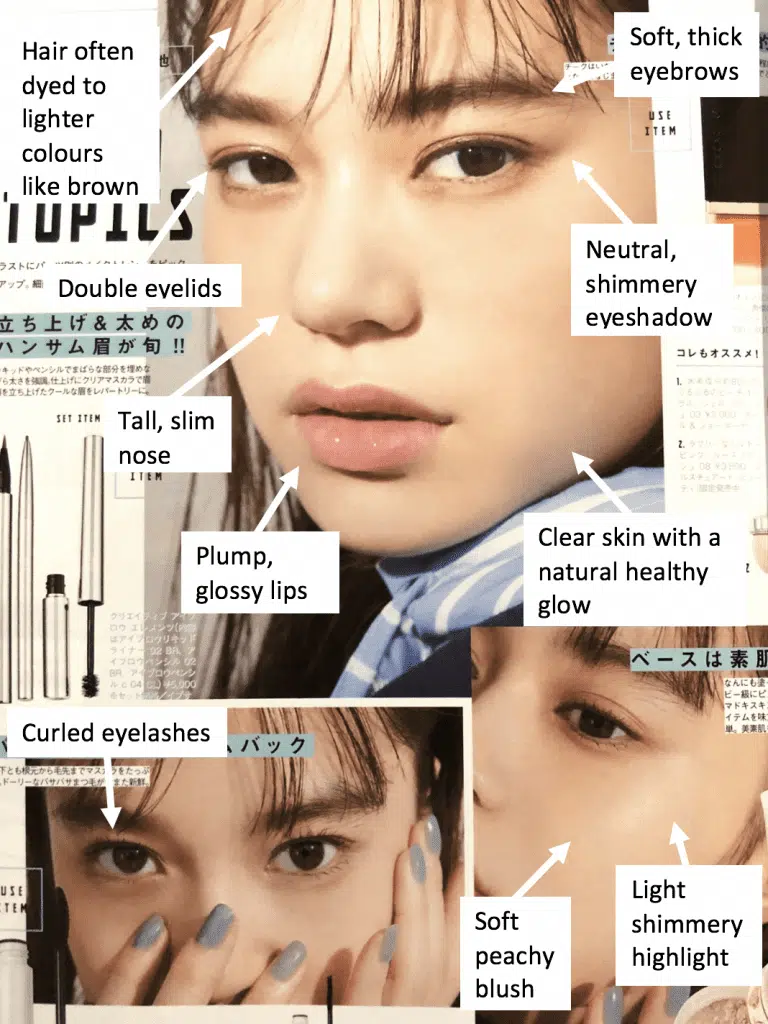
Why do Japanese have such clear skin?

Why do Japanese have such clear skin?

The article highlights the Japanese skincare routine, which involves a double-cleansing method, toner, essence, serum, moisturizer, and sunscreen. It also emphasizes the importance of green tea consumption, a healthy diet rich in fish and vegetables, regular exercise, plenty of sleep, minimal sun exposure, natural ingredients like rice bran and seaweed, hot springs culture with therapeutic benefits for the skin. Additionally, it discusses traditional beauty tools like Gua Sha stones and facial rollers and a minimalist approach to makeup. The cultural emphasis on cleanliness and lower stress levels also contribute to their overall well-being and healthy-looking skin.

What are whitening products in Japan?

Whitening products are a popular part of the beauty industry in Japan, with creams, lotions, serums, and essences available to lighten skin tone and reduce blemishes. These products contain active ingredients such as arbutin, kojic acid, vitamin C, and placenta extracts that work to reduce melanin production in the skin. It's important to consider your skin type and specific concerns when choosing a whitening product. While generally safe when used as directed, some products may contain harmful ingredients like hydroquinone or mercury.
Do Japanese use glutathione?

Do Japanese use glutathione?

This article explores the use of glutathione supplements in Japan, discussing what glutathione is, why people use it, and how it can be obtained naturally from food. While there is limited data on the use of glutathione supplements in Japan, some studies suggest that they are becoming increasingly popular among women who are looking for ways to improve their skin health. The article also discusses the benefits of glutathione supplements, potential side effects and risks associated with their use, and how they should be taken.

What is Korea vs Japan beauty standard?

This article explores the beauty standards of Korea and Japan, two Asian countries with distinct cultural values and beliefs. It examines the historical background that has influenced their respective beauty standards, including body image, hair and fashion trends, and the influence of Western beauty standards. The article also highlights the role of technology in shaping beauty standards and emphasizes the importance of self-care in both cultures. Finally, it discusses how these beauty standards are likely to evolve as society changes its attitudes towards beauty ideals.
Is Japanese skincare better than Korean?

Is Japanese skincare better than Korean?

The article compares Japanese and Korean skincare and examines their differences. While both countries have a long history of using natural ingredients in their beauty rituals, Japanese skincare tends to focus on hydration and anti-aging for mature skin, while Korean skincare addresses a wider range of skin concerns such as acne, dark spots, and uneven skin tone. Cultural preferences, packaging, availability, and pricing are also factors that may influence someone's decision on which type of skincare to use. Ultimately, the answer depends on individual needs and preferences.
Do Japanese men shave their body hair?

Do Japanese men shave their body hair?

This article explores the topic of body hair removal among Japanese men, including its history, different methods, reasons for doing so, and cultural influences. It discusses the benefits and drawbacks of shaving body hair and offers alternatives to those who do not prefer shaving. The article emphasizes that cultural differences should be considered when it comes to body hair removal practices. Finally, it suggests that the practice will continue to evolve as societal beauty standards change.
Why are beards uncommon in Japan?

Why are beards uncommon in Japan?

Beards are not a common sight in Japan due to cultural, social, and historical factors. In the past, facial hair was associated with backwardness and lack of hygiene during the Meiji period when Japan underwent rapid modernization and westernization. Japanese culture values cleanliness and hygiene highly, with a clean-shaven face considered more professional, respectable, and trustworthy. Additionally, societal expectations for men to conform to certain beauty standards and grooming habits do not include facial hair. However, there has been a growing trend towards accepting beards in recent years as attitudes towards grooming habits continue to evolve in Japan.

Why can’t Japanese men grow facial hair?

Japanese men struggle to grow facial hair due to genetics, cultural norms, diet, grooming habits, age, medical conditions, environmental factors, and historical significance. The clean-shaven look is preferred in Japanese culture and is considered more professional. However, in recent years, younger Japanese men have started to embrace facial hair and use beard growth products or undergo cosmetic procedures. Facial hair growth is not just limited to Japanese men but affects many ethnic groups around the world. Ultimately, it's up to individuals to decide what works best for them.

What is the Japanese method eyebrows?

The Japanese method eyebrows, also known as "Nihongami," is an eyebrow shaping technique that involves creating a natural-looking brow shape by adding hair to create a fuller look. This technique has been around for centuries and was originally used by geishas to enhance their beauty. The procedure typically involves microblading, feathering, and shading and can last anywhere from six months to two years. While generally safe, there are some risks associated with the procedure, such as infection or scarring. The cost of the Japanese method of eyebrow shaping varies but can cost anywhere from $500 to $1,500.
How do Japanese enjoy baths?

How do Japanese enjoy baths?

The Japanese approach to bathing is more than just getting clean, it's a way to relax, rejuvenate and connect with others. Bathing has been an essential part of Japanese culture for centuries, with the first public bathhouses built in the sixth century. The Japanese believe that taking a bath not only cleanses the body but also purifies the soul. There are several types of baths in Japan, including hot springs and public baths, which are often social activities. Aromatherapy and body scrubbing are also essential parts of Japanese bathing culture, which is seen as an act of self-care.