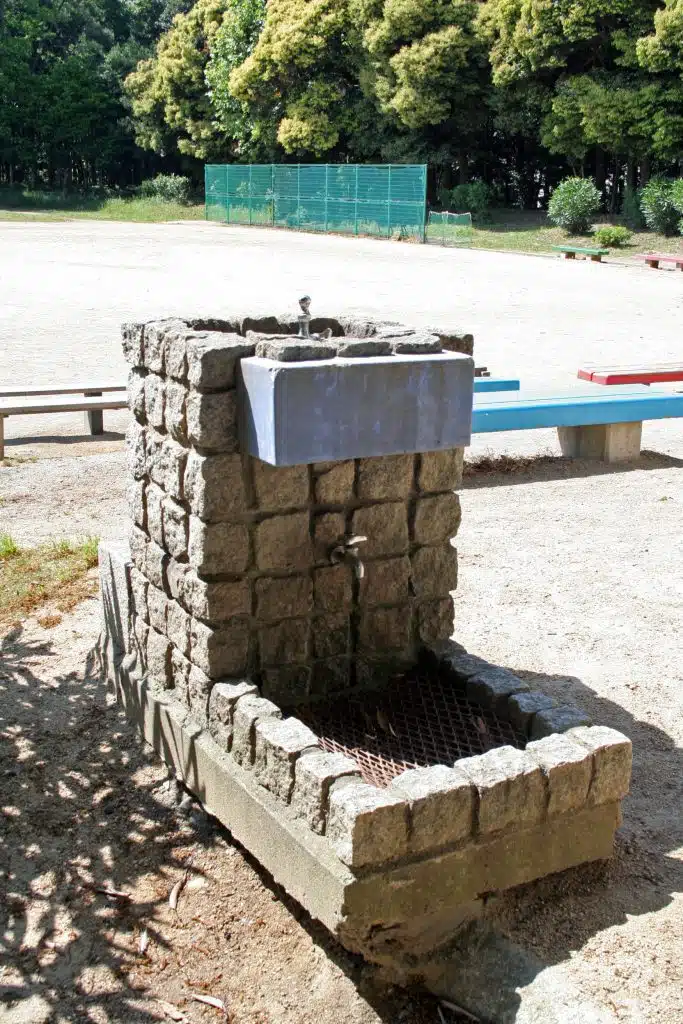
Why water is so clean in Japan?

Why water is so clean in Japan?

Japan is known for its clean and clear water sources, which are maintained through a combination of natural filtration systems, strict regulations and policies, investment in infrastructure, community efforts, education and awareness, and advanced technology. Japan's mountainous terrain acts as a natural filter for water while the government conducts regular inspections to ensure that water sources meet quality standards. The country has also implemented policies to minimize pollution from industrial and agricultural activities and promote water conservation. Japanese communities play an active role in keeping their water sources clean through local organizations and volunteer groups. Technology plays an important role in ensuring the cleanliness of Japan's water supply with advanced monitoring systems to detect contamination. Japan will continue to invest in its infrastructure, implement strict regulations, and promote education and awareness about the importance of preserving its natural resources to maintain its reputation for having clean and safe water sources.
Do Japanese people drink tap water?

Do Japanese people drink tap water?

Tap water in Japan is safe to drink and has strict quality standards enforced by the government. Many Japanese people prefer tap water over bottled water due to its high quality and taste, and there is a culture of respect for natural resources that extends to drinking water. Bottled water is still widely available but often seen as a convenience rather than a necessity. Tap water in Japan has health benefits and positive environmental impacts, and the country's advanced technology has played a significant role in improving its water infrastructure. Japan's high-quality tap water is often cited as an example for other countries, and the country has played an active role in promoting access to clean water globally.
Is it OK to drink tap water in Japan?

Is it OK to drink tap water in Japan?

Tap water in Japan is generally safe to drink due to its highly developed water supply system and rigorous treatment process. The quality of tap water is monitored by the government, and safety standards are set by international organizations such as WHO and EPA. While there are some risks associated with consuming tap water, precautions such as boiling or using a filter can be taken to reduce these risks. Drinking tap water is cost-effective, environmentally friendly, and convenient for staying hydrated in Japan. The government continues to invest in improving the quality of tap water through infrastructure upgrades and stricter regulations on industrial and agricultural activities.
Should I bring a water bottle to Japan?

Should I bring a water bottle to Japan?

This article explores the benefits, challenges, and considerations of bringing a reusable water bottle with you when traveling to Japan. It looks at the types of water bottles that are best for travel, where to buy them in Japan, how to clean and refill them while there, and what other items should be packed. It also provides tips on how to prevent health risks associated with consuming untreated tap/fountain/river/lake…etc…water sources. Ultimately it aims to help travelers better prepare for their trip abroad.
Why can you drink tap water in Japan?

Why can you drink tap water in Japan?

This article provides an expert analysis of why tap water in Japan is safe to drink and the benefits of doing so. It explains that the Japanese government has set strict regulations for quality control, and requires regular inspections of municipal water systems to ensure clean drinking water for citizens. There are also several laws to reduce contamination levels and protect people from potential health risks. Additionally, consuming tap water instead of bottled varieties helps save money and reduce plastic waste. Filtering systems can be installed on taps to further improve the taste or safety of drinking water. Finally, some municipalities offer free home delivery services for clean drinking so people don't need to buy bottled alternatives.