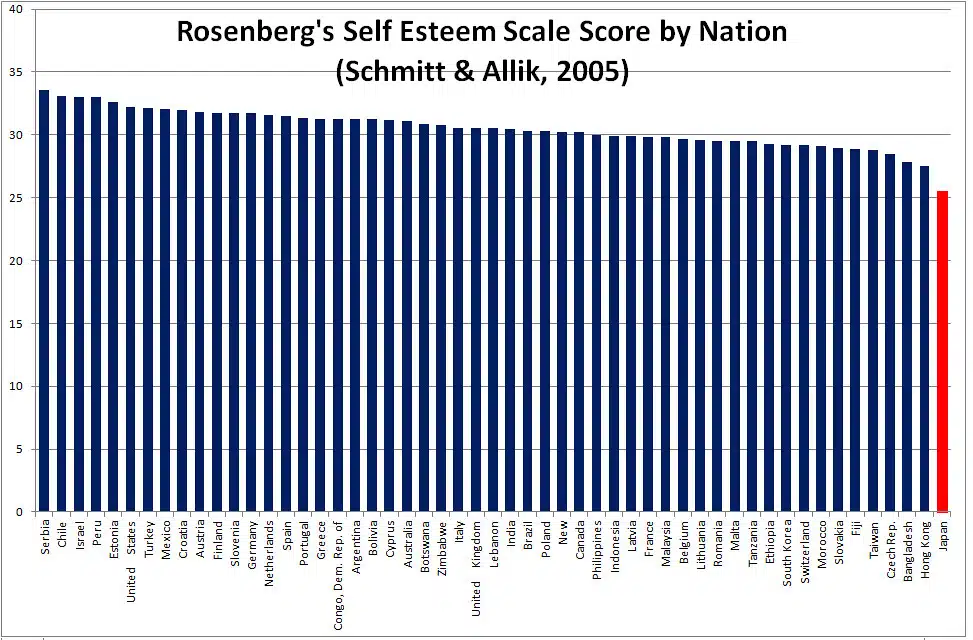
This article examines the prevalence of mental illness in Japan, its causes, access to mental health care, stigma around mental illness, and treatment options available. According to the World Health Organization (WHO), around 20% of Japanese people suffer from some form of mental illness or disorder. Mental illness is more prevalent among women and older adults than men and younger adults, respectively. Causes include genetic predisposition, environmental factors such as poverty and family dynamics, as well as social stigma surrounding mental health issues. Access to mental health care services is limited due to a lack of resources and funding for treatment programs as well as a lack of qualified professionals who specialize in providing these services. Additionally, there is still a great deal of stigma surrounding seeking help for psychological issues which can prevent many individuals from seeking out the care they need. Treatment options vary depending on individual needs but typically include medication (if necessary) as well as psychotherapy sessions with qualified professionals such as psychiatrists or psychologists who specialize in providing this type of care