Can Japan join war?

Can Japan join war?

The article explores the factors that determine whether Japan can join a war, including its Constitution, international law, public opinion, military capabilities, relationship with its neighbors, allied support, and potential impact on regional stability. While Japan has passed a new law allowing for "collective self-defense," it must still be acting in self-defense or aiding an ally under attack to engage in warfare. The decision to join a war must weigh the potential risks and benefits to Japan and the region as a whole.
Why Japan is not legally allowed to have army?

Why Japan is not legally allowed to have army?

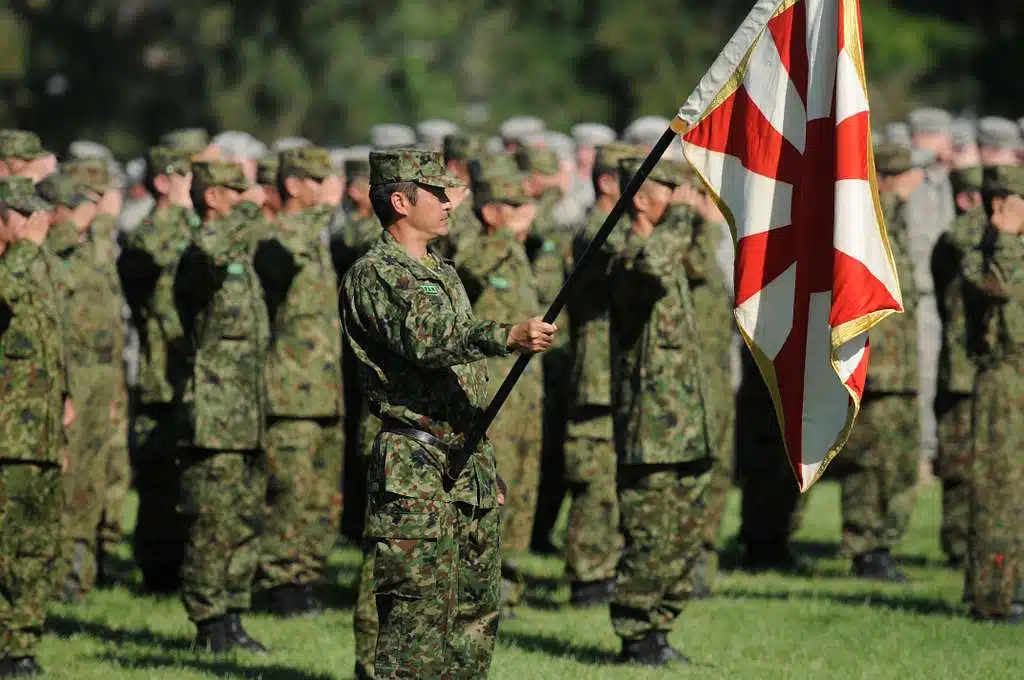
Japan does not have an army due to Article 9 of its constitution, which renounces war as a means of settling international disputes and prohibits Japan from maintaining land, sea, or air forces for warfare purposes. Instead, Japan has a self-defense force responsible for defending the country from external threats and can only use force in self-defense. However, some Japanese politicians are calling for a review of Article 9 and a reevaluation of the country's military policy as international tensions continue to rise. Despite not having an army, Japan has been an active participant in international peacekeeping efforts and has invested heavily in advanced weapons systems and cybersecurity measures for its defense strategy.
Why can’t Japan go to war?

Why can’t Japan go to war?

This article explains why Japan is unable to go to war, despite having considerable military capabilities. This is due to its post-war constitution which includes the "Peace Clause" (Article 9) which prohibits any type of military conflict or threat of force against another nation. In addition, there are several international treaties and agreements that further reinforce Japan's commitment towards peace in East Asia. Finally, Japan's foreign policy objectives focus on maintaining regional security and stability through diplomatic solutions rather than aggressive means.