

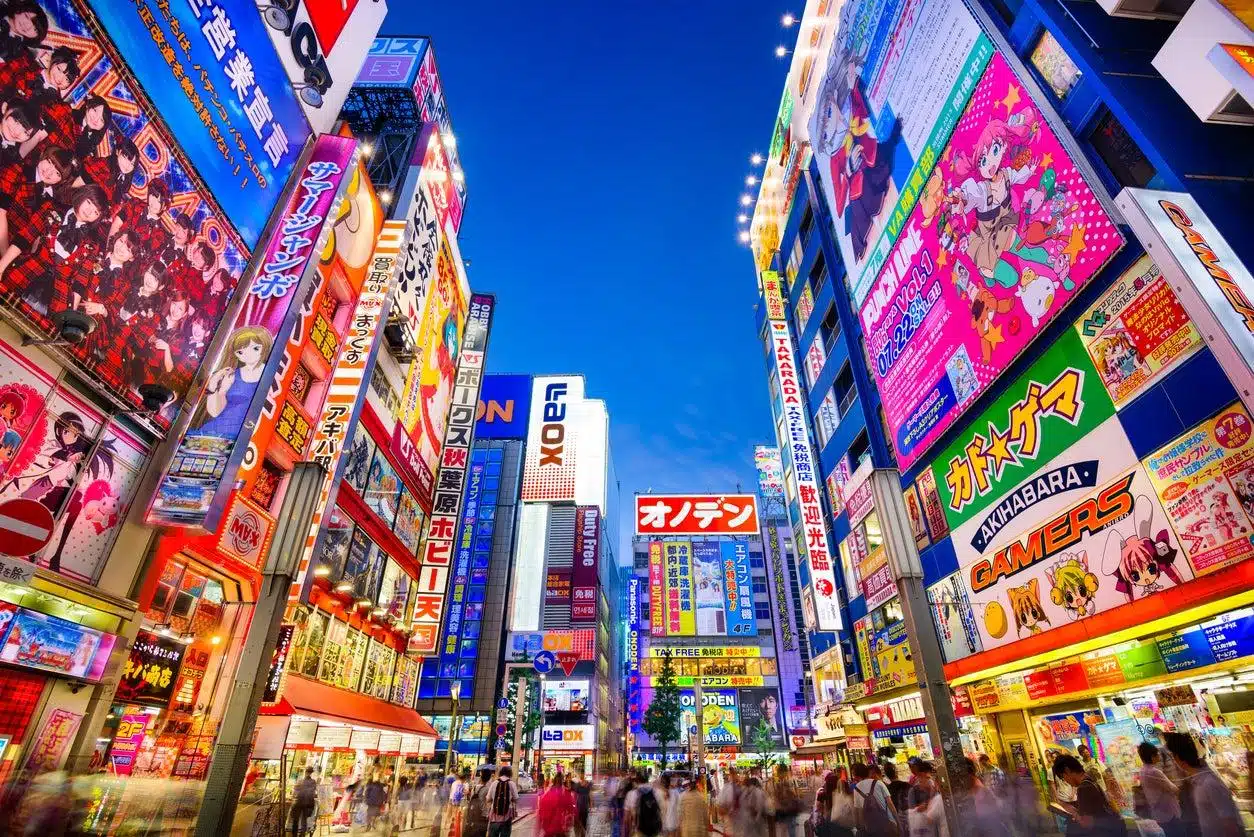
How does Tokyo compare to other major cities in terms of safety?
Is it safe in Tokyo? As one of the most vibrant and bustling cities in the world, Tokyo is a major attraction for tourists and business travelers alike. Understanding the safety landscape of Tokyo is crucial for a rewarding visit or a successful stay. This article will delve into various aspects of safety in Tokyo, including crime rates, natural disasters, transportation safety, health considerations, and emergency resources.
Understanding Safety in Tokyo
When contemplating the question, “Is it safe in Tokyo?” it is essential to consider various factors that influence personal safety and well-being. With its highly efficient infrastructure, low crime rate, and robust emergency services, Tokyo is often ranked among the safest cities globally. According to the Global Peace Index 2023, Japan ranks as one of the most peaceful countries, contributing to its reputation for safety.
No products found.
Crime Rates in Tokyo
Low Crime Statistics in Tokyo
Japan’s safety reputation is largely influenced by its low crime rates. The following table provides a quick snapshot of crime rates in Tokyo compared to other major cities worldwide:
| City | Violent Crime Rate (per 100,000 people) | Property Crime Rate (per 100,000 people) |
| Tokyo | 0.87 | 27.50 |
| New York City | 6.37 | 58.63 |
| Los Angeles | 8.44 | 45.20 |
Types of Crimes Reported
While crime exists in Tokyo, it is generally minor in nature. Below are common types of crimes and safety issues encountered in the city:
- Petty Theft: Incidences of pickpocketing and bag snatching can occur, particularly in crowded areas or on public transport. However, these cases are relatively rare.
- Scams: Tourists may encounter scams primarily related to overpriced services or attractions.
- Harassment: While Tokyo is considered safe, some women have reported experiences of harassment, particularly on crowded trains.
Transport Safety in Tokyo
Navigating Tokyo Safely
If you are assessing “Is it safe in Tokyo?” it’s crucial to understand the safety of its transportation system. Tokyo’s transportation network is one of the most advanced in the world, comprising trains, buses, and taxis.
- Subway and Train System: The Tokyo Metro and Toei Subway are clean, well-maintained, and highly efficient. High surveillance ensures passenger safety.
- Taxis: Taxis in Tokyo are safe, albeit slightly expensive. They are metered, and drivers typically follow traffic rules.
- Cycling and Walking: Tokyo is pedestrian-friendly, and many areas cater specifically to cyclists.
Natural Disaster Preparedness
Understanding Natural Risks
Considering Tokyo’s geographical location, it is essential for residents and travelers to comprehend potential natural disasters. Tokyo is prone to earthquakes, tsunamis, and the occasional typhoon. Here are essential tips for staying safe during earthquakes:
- Know the Emergency Exits: Public spaces are equipped with emergency exit signs. Familiarize yourself while exploring.
- Earthquake Kits: Many locals keep emergency kits at home containing food, water, and necessary supplies.
- Transportation Protocols: Follow guidelines set on public transport when an earthquake occurs, generally involving remaining calm and staying put.
Japan’s strict building codes are designed to ensure structures can withstand earthquakes, further securing public safety.
Health and Safety in Tokyo
General Health Considerations
While pondering the question, “Is it safe in Tokyo?” accessing health resources and understanding local health considerations is equally important:
- Healthcare System: Japan boasts an excellent healthcare system with state-of-the-art hospitals and clinics. Hospitals typically have English-speaking staff, especially in larger facilities.
- Food Safety: Japan is known for its food safety regulations, making it safe to consume street food and dine in restaurants. However, it is advisable to choose popular eateries to ensure food quality.
- Air Quality: Tokyo experiences minimal air pollution compared to other global cities, contributing to the overall quality of life.
Emergency Resources in Tokyo
Accessing Help When Needed
If an emergency arises during your stay, knowing how to seek assistance is vital. Tokyo has a robust emergency response system:
- Emergency Numbers:
– Police: 110
– Ambulance/Fire: 119
- Ambassadors and Consulates: Many countries maintain embassies in Tokyo, offering assistance to their citizens in emergencies.
- Language Barriers: While many locals speak basic English, it’s handy to download translation apps to facilitate effective communication during emergencies.
Safety Tips for Tourists in Tokyo
Essential Safety Guidelines
When visiting Tokyo, here are safety tips to enhance your overall experience:
- Stay Aware of Your Surroundings: Even in safe districts, awareness is key to personal safety.
- Keep Valuables Secure: Avoid displaying luxury items and use anti-theft backpacks.
- Be Cautious at Night: While Tokyo is generally safe at night, it’s wise to stick to well-lit areas and avoid poorly-trafficked streets.
Cultural Considerations and Respect
Navigating Social Norms
Understanding and respecting local culture can significantly enhance your safety and experience in Tokyo. Here are some cultural insights:
- Polite Behavior: The Japanese value politeness and professionalism. Always greet people respectfully.
- Queue Behavior: Following the local custom of forming orderly queues in public places ensures harmony.
- Personal Space: Maintain a respectful distance in societal interactions, especially in crowded lines or transport.
The Impact of Technology on Safety
Using Technology for Personal Safety
Technology plays an instrumental role in safety in Tokyo. Mobile apps provide real-time updates on emergencies, public transport schedules, and local news. Here are some essential apps for travelers:
- Google Maps: Offers navigation assistance to ensure you find your way safely around the city.
- Emergency Alert Apps: Many users download apps that provide timely alerts regarding weather emergencies or natural disasters.
- Translation Apps: Using translation apps can help evade misunderstandings in communication.
Community and Personal Safety Roles
Engaging with Local Community
Understanding “Is it safe in Tokyo?” also involves recognizing the community’s role in maintaining safety. Local residents often engage in conversations with tourists to provide directions and assistance, reflecting the intrinsic kindness of the Japanese people.
Conclusion
In summarizing the discussions addressed in the article, the answer to “Is it safe in Tokyo?” is an emphatic yes. With its low crime rates, sophisticated healthcare, robust emergency services, and friendly locals, Tokyo remains one of the safest cities in the world for both tourists and residents alike. By remaining aware of your surroundings, respecting local customs, and utilizing technology, your experience in Tokyo can be both safe and enriching.
Ultimately, understanding the landscape of safety enables you to appreciate this bustling metropolis to its fullest, ensuring that the memories you create are filled with joy rather than concern.

