

How has manga evolved over the decades?
When it comes to exploring the rich and vibrant world of Japanese comics and graphic novels, one question often arises: When was manga made? The origins of manga can be traced back centuries, with influences stemming from traditional Japanese art forms, literature, and historical events. Understanding the timeline of manga’s development not only sheds light on its multifaceted nature but also enriches our appreciation of this beloved art form.
Origins of Manga
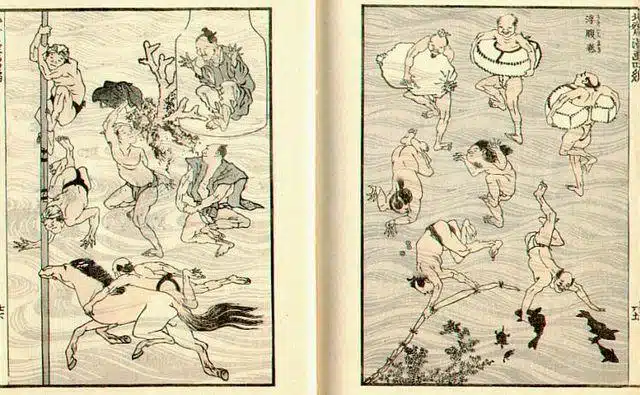
Manga’s roots can be found in ukiyo-e, a genre of Japanese woodblock prints that flourished during the Edo period (1603-1868). These prints often depicted scenes of landscapes, kabuki actors, and beautiful women, combining visual storytelling with intricate artistry. It was through these early artistic expressions that Japan’s culture of comic storytelling began to flourish.
Early Forms of Manga
The earliest forms of manga can be traced back to the 12th century, with works such as Toba Ehon (絵本) which featured illustrated narratives. These illustrated books played a significant role in paving the way for modern manga, captivating audiences with their visual storytelling. The term “manga” itself emerged during the Edo period, meaning “whimsical pictures,” and became increasingly used to describe informal sketches and humorous illustrations.

- Used Book in Good Condition
- George Trombley (Author)
- English (Publication Language)
- 376 Pages - 08/22/2014 (Publication Date) - Learn From Zero (Publisher)
Key Influences on Early Manga Development
- The Picture Books of the Edo Period: These books incorporated both art and narratives, such as Fusuma-e of wall paintings in traditional homes that revealed stories through images.
- Satirical Comics: Comic narratives mocking society became popular in the late Edo period, setting the stage for humorous content in modern manga.
- Story Scrolls and Paintings: The use of image sequences to tell stories can be seen in works like emakimono, compelling storytelling through illustrations.
The Birth of Modern Manga
The Meiji Restoration in 1868 marked a significant turning point for Japan, influencing all forms of art and culture, including manga. Western artistic styles began to permeate Japan, leading to a transformation in visual narratives. In the late 19th and early 20th centuries, the foundations for contemporary manga began to solidify.
Major Developments in the 20th Century
- 1920s-1930s: The emergence of shinpa (new school) manga laid the groundwork for modern comic storytelling. Artists like Rakuten Kitazawa developed narrative techniques that became vital in shaping manga storytelling.
- Used Book in Good Condition
- George Trombley (Author)
- English (Publication Language)
- 376 Pages - 08/22/2014 (Publication Date) - Learn From Zero (Publisher)
- Post-World War II Era: The devastation of World War II seemed to give rise to the unique art form known as kodomo manga, aimed at children. This era also saw the inception of iconic characters and artists, like Osamu Tezuka, who is often referred to as the “God of Manga.”
- Osamu Tezuka and the Golden Age: In the 1950s, Osamu Tezuka created Astro Boy (Tetsuwan Atom), propelling manga into a broader cultural phenomenon. His pioneering works introduced complex storytelling and character development, marking a significant moment in answering the question, When was manga made?
Defining Characteristics of Modern Manga
- Genres: Today, manga spans an array of genres, targeting diverse audiences and age groups.
- Visual Style: Characterized by exaggerated facial expressions, dynamic action lines, and distinct visual storytelling techniques.
- Reading Format: Japanese manga is traditionally read from right to left, a format that may initially perplex western audiences.
Global Popularity of Manga
As manga began to grow in popularity during the late 20th century, it transitioned from a purely Japanese art form to a global phenomenon.
Manga’s Expansion Beyond Japan
Manga gained substantial traction outside Japan during the 1990s and early 2000s, aided by professional translations, merchandise, and adaptations into anime, games, and films. This surge can be attributed to several factors:
- Cultural Exchange: Increased globalization led to greater exposure to Japanese culture, including manga.
- Digital Platforms: The rise of online platforms enabled fans worldwide to access manga easily.
In this new era, question about When was manga made? became crucial in contextualizing its widespread acceptance. The distinct styles and narratives resonated with audiences around the globe, transcending cultural barriers and sparking interest in its rich history.
Popular Manga Titles in the Global Market
| Title | Author | Year Released | Genre |
|——————-|———————|—————|————————–|
| Naruto | Masashi Kishimoto | 1999 | Action, Adventure |
| One Piece | Eiichiro Oda | 1997 | Adventure, Fantasy |
| Attack on Titan | Hajime Isayama | 2009 | Dark Fantasy, Action |
| Death Note | Tsugumi Ohba | 2003 | Thriller, Mystery |
| My Hero Academia| Kohei Horikoshi | 2014 | Action, Superhero |
The Contemporary Manga Scene
Today, manga is more than just a form of entertainment; it serves as a reflection of contemporary culture and societal issues within Japan and beyond.
The Diversity of Manga
Manga now includes a plethora of sub-genres, catering to various demographics, including:
- Shonen: Targeted at young males, it incorporates action, adventure, and friendship themes.
- Shojo: Aimed at young females, often featuring romance and relationship dynamics.
- Seinen: Targeted at adult males, these stories can embrace complex themes and darker narratives.
- Josei: Aimed at adult females, tackling mature subjects concerning relationships and daily life.
Cultural Impact of Manga
Manga has undoubtedly influenced various artistic forms, including anime, literature, fashion, and gaming. The storytelling techniques and intricate artwork have inspired creators around the world, leading to a unique fusion of styles.
This cultural exchange is evident in the growing influence of manga in Western media. For instance, popular youth culture has seen the emergence of comic cons, manga conventions, and fan art that showcase the enthusiasm and commitment of dedicated fans globally.
Future of Manga
As we ask ourselves, When was manga made? we also ponder what the future holds for this compelling art form. With the technological advancements shaping how content is consumed, manga is evolving to adapt to new platforms.
The Rise of Digital Manga
With the advent of digital platforms, creators can reach wider audiences than ever before. Digital manga platforms such as Crunchyroll and Viz Media have made accessing manga more straightforward and convenient for global audiences.
- Webtoons: These web-based comics have gained a massive following, integrating manga art styles and narrative techniques into new digital formats.
- Smartphone Applications: The proliferation of manga applications has allowed readers to enjoy their favorite titles on the go, fostering a new generation of manga enthusiasts.
Conclusion
Manga is a dynamic art form with roots that extend deep into Japan’s cultural history. From its origins in 12th-century illustrated narratives to the modern-day global phenomenon it is today, the question, When was manga made? encapsulates the profound journey of this unique storytelling medium. As manga continues to evolve and thrive, it remains a testament to the enduring power of visual storytelling, connecting cultures and generations worldwide.
For more insights into the historical progression of manga, visit The Official Manga Website and Manga Entertainment.
Manga’s future seems bright, as it continues to capture the hearts of millions around the globe, proving that the art of storytelling knows no boundaries.

