
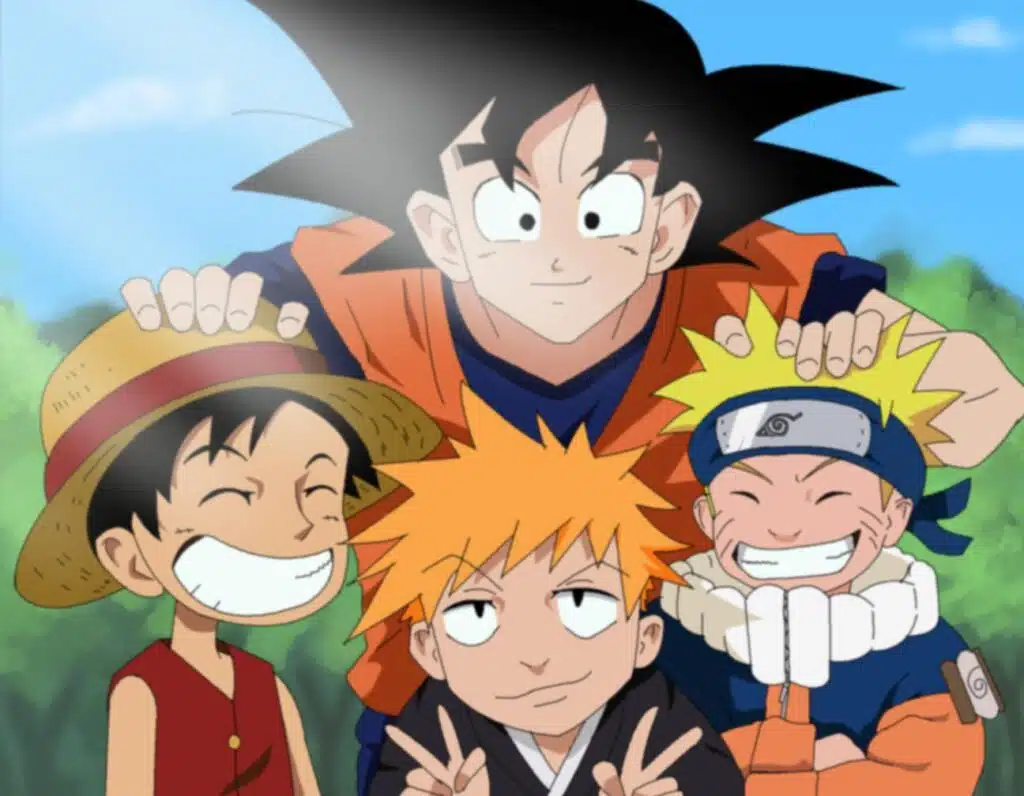

What elements contribute to the perception of anime as perverted?
Anime is a cultural phenomenon that has gained immense popularity around the globe. However, a common topic of discussion among viewers and critics alike is the question of Why is anime so perverted? This article delves into various aspects of anime that contribute to its reputation for containing suggestive and explicit content, exploring cultural influences, genre-specific characteristics, and societal norms that shape its narratives.
Understanding the Cultural Context of Anime
The Influence of Japanese Culture
To comprehend Why is anime so perverted?, it is crucial to look at the cultural backdrop of Japan. Japanese culture has a long-standing history of blending sexuality with art and entertainment. From traditional ukiyo-e (woodblock prints) that often featured erotic themes to contemporary manga and anime, the representation of sexuality has consistently been a part of Japanese artistic expression.
Cultural Norms and Sensibilities
No products found.
- Historical Acceptance: In Japan, depictions of nudity and sex in art are historically less taboo than in many Western cultures. This acceptance allows creators to explore adult themes without the same level of societal backlash faced in other countries.
- Subcultures and Niches: The emergence of various subcultures in Japan, including otaku culture, fosters environments where sexual themes in media can thrive. This niche audience often embraces the more risqué aspects of anime, leading to content that is increasingly sexualized.
The Role of Gender Dynamics
Gender dynamics play a significant role in shaping the narratives and visual style of anime. Many anime series cater to specific demographics, leading to varied portrayals of characters and relationships.
- Male Gaze: A large portion of anime is produced for a male audience, often incorporating what is referred to as the “male gaze.” This results in the objectification of female characters, emphasizing physical attributes and sexualized imagery that caters to male fantasies.
- Female Characters: Conversely, female-led anime often portrays strong, independent characters but can also succumb to sexualization. This duality reflects broader societal influences and expectations, further fueling the perception of perversion in anime.
No products found.
The Popularity of Ecchi and Harem Genres
Defining Ecchi and Harem
Two specific genres often associated with sexual content are ecchi and harem. Understanding these genres is essential to grasping Why is anime so perverted?
- Ecchi: This genre features suggestive themes, sexual humor, and provocative situations without crossing into explicit content. Series like “High School DxD” or “To Love-Ru” exemplify ecchi tropes, often featuring fan service scenes designed for titillation rather than explicit depiction.
- Harem: In a harem anime, a single male character is surrounded by multiple female characters, often leading to romantic advances and sexually charged situations. Shows like “Tenchi Muyo!” and “Ouran High School Host Club” highlight these dynamics, contributing to the genre’s reputation.
The Appeal of Ecchi and Harem
- Escapism: The fantastical elements of these genres allow viewers to escape from reality, engaging in narratives that prioritize romantic and sexual escapades.
- Audience Engagement: These genres thrive on viewer engagement through humor, often softening the more explicit content. The appeal lies in character interactions and comedic scenarios that, while suggestive, maintain a light-hearted approach.
The Impact of Fan Culture
Fandom and Community
The anime community has a significant impact on the proliferation of perverse content. Websites, forums, and conventions provide spaces for fans to discuss, share, and promote anime, often creating a feedback loop that encourages the production of more provocative material.
- Fandom’s Role: The passionate nature of fandom plays a critical role in shaping the market. Fans tend to support content that resonates with their tastes, which can emphasize and normalize sexual themes in media.
Doujinshi and Fan Creations
The existence of doujinshi (self-published works) allows for the exploration of sexual themes in fan culture. Doujinshi creators often publish works that take established characters and place them in new, often sexually charged scenarios.
- Unfiltered Expression: This grassroots approach to content creation provides a platform for unfiltered expression of desires and fantasies, thereby contributing to the overall perception of anime as a perverted medium.
Industry Practices and Economics
The Business of Anime
Understanding the anime industry helps explain Why is anime so perverted? The economics of production, particularly in a market driven by youth culture, often prioritize content that sells.
- Target Demographics: Anime is frequently tailored to specific demographic groups, including young adults and teens. Producers often lean towards content that captures attention, including sexual themes that resonate with their target audience.
- Merchandising and Marketing: Sexualized imagery can enhance merchandise sales, including figures, posters, and apparel tied to popular series. This financial incentive encourages the continuation of perverse themes within anime.
Censorship and Regulation
While Japan has its standards for what can be depicted in media, there is still a degree of leniency compared to western cultures. However, censorship exists and varies widely in content appropriateness.
- Content Rating Systems: The Japanese content rating system allows for a spectrum of content from family-friendly to adult-oriented, giving creators the latitude to explore themes that may be considered taboo elsewhere.
Global Reception of Anime’s Sexual Content
Cultural Differences in Interpretation
As anime gains popularity globally, the cultural lens through which these series are viewed changes. Western audiences may find certain themes shocking or offensive, while they are normalized in Japanese culture.
- Cross-Cultural Adaptation: Some anime series are edited for international audiences, removing or censoring sexual content that may not align with cultural expectations. However, this can alter the narrative and the original intent behind the work.
The Role of Streaming Platforms
The rise of streaming platforms has increased accessibility to diverse anime, including those with more adult themes. This greater availability exposes a wider audience to sexual content while prompting discussions regarding its appropriateness.
- Viewer Discretion: As anime continues to proliferate on platforms like Crunchyroll and Funimation, viewer discretion becomes essential to navigate content responsibly.
Understanding Viewer Perspectives
Psychological Attraction to Sexuality
Why is anime so perverted? can also be viewed through the lens of psychology. The allure of sexual content stems from various psychological factors, including fantasy fulfillment, exploration of identity, and escapism.
- Safe Exploration: Viewers often engage with sexual content in a safe environment, allowing them to explore their curiosities without real-life consequences.
The Demographic Shift in Anime Viewership
The audience for anime has evolved significantly, with adults making up a large portion of the viewership. This demographic shift impacts the types of stories told and the themes explored.
- Mature Themes for Mature Audiences: With an older audience, anime can delve into complex and mature themes, including sexuality and relationships, leading to more nuanced depictions that could still be considered perverted.
Final Thoughts on Anime and Perversion
Anime’s reputation for being perverted stems from a myriad of factors, including cultural attitudes, industry practices, and genre-specific characteristics. Why is anime so perverted? This question opens up a broader discussion about the intersection of art, sexuality, and societal attitudes within the unique landscape of Japanese media. While some series may lean heavily into explicit content, many works explore complex themes that go beyond mere sexualization, offering insights into human emotions, relationships, and culture.
By navigating these themes responsibly and critically, viewers can appreciate the vast array of storytelling available while engaging with the culture from which it originates. As anime continues to evolve, so too will the conversations surrounding it, leading to an environment that embraces diversity in narrative and representation.
For further reading, consider exploring the cultural nuances of anime on The World of Anime and Manga in Japan, and grasp more on societal views addressing sexual themes in media from BBC Culture.

