Is 19 considered a minor in Japan?

In Japan, the legal age of adulthood is 20, and before that age, individuals do not have the right to vote, drink alcohol or smoke cigarettes. The coming-of-age ceremony is a significant cultural event in Japanese society that celebrates young people who have turned 20 and are now considered adults. Minors in Japan are those under the age of 20 and are not allowed to engage in certain activities such as drinking alcohol, smoking cigarettes or gambling. The Juvenile Law applies to individuals under the age of 20 who commit crimes and aims to rehabilitate rather than punish them. The legal drinking and smoking ages in Japan are both 20, while the age of consent is 13 with laws protecting minors from sexual exploitation.

What age is minor in Japan?

This article explores the different age limits for minors in Japan, including the age of consent, drinking age, smoking age, driving age, voting age, working age, marriage age, criminal responsibility age, educational age, and military service age. The article highlights that Japan has a complex set of laws regarding minors and their rights and responsibilities.
Can 18 year olds smoke in Japan?

Can 18 year olds smoke in Japan?

The legal age for purchasing and smoking tobacco products in Japan is 20 years old, and underage smoking is illegal with penalties for both sellers and smokers. There has been a debate about lowering the legal age to 18, but opponents argue that it helps prevent underage smoking. Despite the legal age being 20, around 10% of Japanese high school students smoke due to peer pressure or stress. Smoking has adverse effects on health, including an increased risk of lung cancer and heart disease. The Japanese government has made efforts to reduce smoking rates among youth through campaigns, taxes, and restricting sales near schools. Parents play a crucial role in preventing their children from smoking by educating them about its harmful effects.
Why Japan is not legally allowed to have army?

Why Japan is not legally allowed to have army?

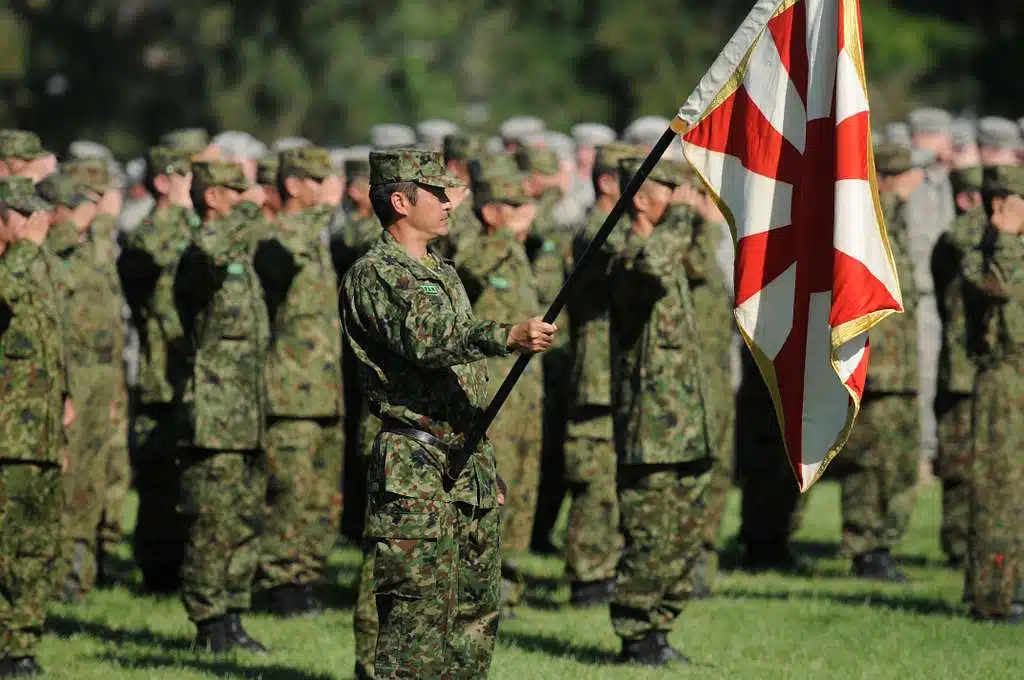
Japan does not have an army due to Article 9 of its constitution, which renounces war as a means of settling international disputes and prohibits Japan from maintaining land, sea, or air forces for warfare purposes. Instead, Japan has a self-defense force responsible for defending the country from external threats and can only use force in self-defense. However, some Japanese politicians are calling for a review of Article 9 and a reevaluation of the country's military policy as international tensions continue to rise. Despite not having an army, Japan has been an active participant in international peacekeeping efforts and has invested heavily in advanced weapons systems and cybersecurity measures for its defense strategy.
What is the Japanese pregnancy tag?

What is the Japanese pregnancy tag?

The Japanese pregnancy tag, also known as the "Haramaki" or "Belly Band," is a traditional clothing item worn by pregnant women in Japan. It has been used for centuries to provide support for the growing belly and protect the baby from evil spirits. Today, it is still widely popular among expectant mothers in Japan due to its many benefits, including relieving back pain and improving posture. The tag is typically made from soft, stretchy fabric and comes in a variety of colors and patterns. It can be purchased online or in specialty maternity stores and should be hand washed and laid flat to dry.
How much would invading Japan cost?

How much would invading Japan cost?

A detailed analysis has been conducted on the cost of invading Japan, which would require a military buildup in the region, reconnaissance units, coordinating with allies, specialized equipment such as amphibious assault vehicles and landing craft and air support from helicopters and fixed-wing aircraft. The logistical expenses of supplying troops with necessities such as food and water, medical facilities to treat wounded personnel, intelligence gathering on enemy forces and capabilities, urban warfare training for troops, compensation for civilian casualties and rebuilding infrastructure would add significantly to the overall cost. Additionally, long-term occupation costs and international backlash could also add to the cost of the operation. Finally, there are moral implications associated with invading another country that should be taken into account when considering an invasion.
How many weeks can you have an abortion in Japan?

How many weeks can you have an abortion in Japan?

Abortion is legal in Japan up to 24 weeks of pregnancy, with exceptions for cases where the mother's life is in danger or if the fetus has severe abnormalities. The procedure can only be performed by licensed doctors at authorized facilities, and women must receive counseling before undergoing an abortion. There are two methods of abortion available: surgical and medical. Women under the age of 20 need parental consent, while those with mental illnesses require a certificate from a psychiatrist. Despite some stigma and discrimination, there are organizations that offer support for women who choose to have an abortion in Japan.
Who successfully invaded Japan?

Who successfully invaded Japan?

The article explores the history of invasions in Japan, dating back to ancient times, and how only the United States successfully invaded during World War II. The article also discusses important events in Japanese history such as the Meiji Restoration and the economic miracle that followed after World War II. It highlights how these events shaped modern-day Japan into an important ally of the United States and an economic powerhouse in Asia.
Did Europe ever try to colonize Japan?

Did Europe ever try to colonize Japan?

Europe did not attempt to colonize Japan due to its policy of isolationism during the Edo period. Although European traders and missionaries had limited access during this time, they were not interested in colonization. The failed attempt by William Adams marked the end of any serious efforts at colonization by Europeans. Today, cultural exchange continues between Europe and Japan but Japan remains a unique nation with its own distinct identity.
What did Japan fear in ww2?

What did Japan fear in ww2?

The article explores the different fears that drove Japan's involvement in World War II. These fears included economic struggles, Western imperialism, Soviet expansionism, American military power, and a desire for self-sufficiency and military expansion. The article also discusses Japan's reliance on kamikaze tactics and the impact of atomic weapons on its leaders and citizens. Ultimately, these fears led to Japan's defeat in the war.