Does Japan have a KFC?

Does Japan have a KFC?

KFC first opened in Japan in 1970 and has since become a popular fast-food chain with over 1,200 locations across the country. KFC is especially popular during Christmas time, where it has become a tradition for many Japanese families to order KFC for their Christmas dinner. The menu at KFC restaurants in Japan is similar to other KFC restaurants around the world, but there are unique items available only in Japan, such as green tea desserts and wasabi-flavored fried chicken. Despite facing competition from other fast-food chains and changing consumer preferences, KFC's future in Japan looks promising due to its continued expansion and adaptation to the market.

Why do Japanese people live the longest?

The Japanese people have the longest lifespan due to a combination of factors, including their healthy diet rich in seafood and fermented foods, active lifestyle with regular physical activity, universal healthcare coverage emphasizing preventive care, low levels of stress and strong community values, genes associated with longevity, clean environment, good work-life balance, access to quality education and traditional medicine, emphasis on hygiene, and low rates of smoking. These factors promote an overall sense of well-being and reduce the risk of chronic diseases that can shorten lifespan.
What are the secrets of the Japanese diet?

What are the secrets of the Japanese diet?

The Japanese diet is based on fresh, seasonal, and nutrient-rich ingredients, which are prepared in a simple yet flavorful manner. It emphasizes seafood and fish, fermented foods, green tea, small portions, healthy cooking methods, low amounts of fat and added sugar, diverse range of foods, focus on presentation, traditional eating habits, and mindful eating practices. These factors contribute to the overall health and longevity of the Japanese population.
Why do Japanese put hands together before eating?

Why do Japanese put hands together before eating?

Itadakimasu is a Japanese tradition of putting hands together before eating a meal, which holds deep significance in Japanese culture. It expresses gratitude for the food and acknowledges the effort that went into preparing it, while also promoting respect for the food and mindfulness in eating. By taking a moment to pause before beginning a meal, Japanese people are able to reflect on the events of the day and set an intention for the meal ahead. This practice serves as a reminder of the importance of gratitude, respect, and mindfulness in everyday life.
Do Japanese wash their rice?

Do Japanese wash their rice?

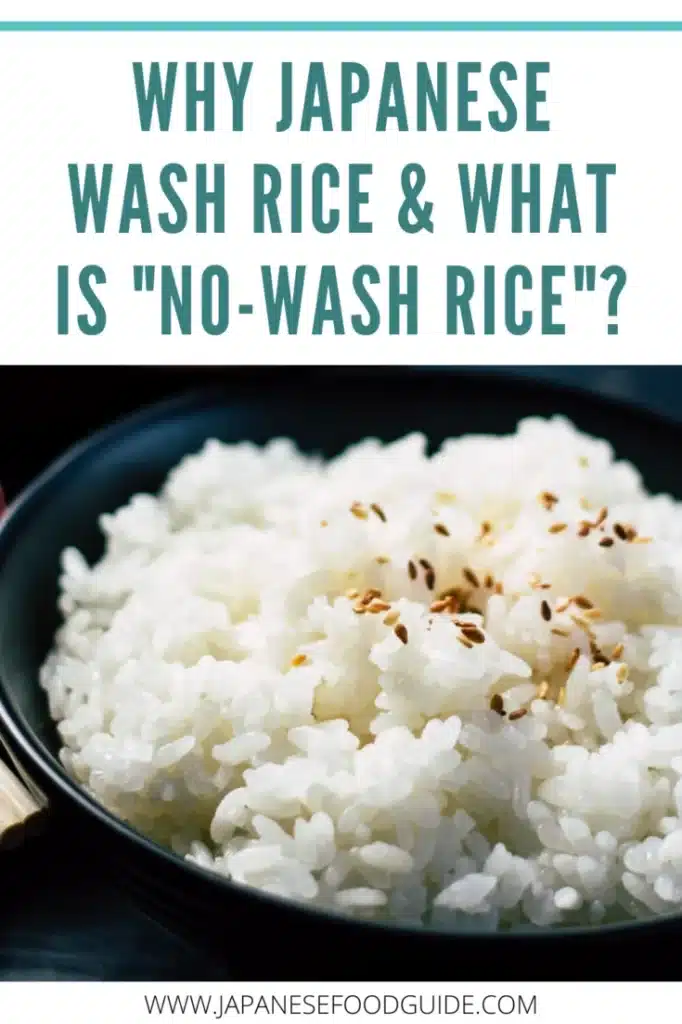
The article explores the cultural significance of rice in Japan and answers the question "Do Japanese wash their rice?" It delves into the history and benefits of washing rice before cooking, as well as the traditional and modern methods of doing so. The article also discusses the controversy surrounding rice washing and provides tips on how to cook Japanese rice. Lastly, it looks at the role of rice in Japanese society and its future in a changing food landscape.
What do Japanese say after meal?

What do Japanese say after meal?

The article explores the meaning and importance of post-meal expressions in Japanese culture, specifically "Itadakimasu" before a meal and "Gochisousama" after a meal. These expressions are used to show gratitude and respect for the food that is about to be consumed as well as for those who prepared it. They also encourage mindfulness in eating and emphasize the importance of sharing meals with others. Food plays an important role in Japanese culture, connecting people with each other and with nature. Saying these expressions reflects a deep appreciation for food and its nourishing qualities.

Why do Japanese not eat cheese?

Japanese people do not eat cheese due to cultural differences, lactose intolerance, food pairing, availability, traditional ingredients, health concerns, and cultural identity. Cheese is not a part of their daily diet and is rarely used in traditional Japanese cuisine. However, it is slowly gaining popularity in modern fusion cuisine. Japanese people take pride in their unique culture and cuisine and incorporating foreign ingredients such as cheese may be seen as a threat to their cultural identity.
What is the waist rule in Japan?

What is the waist rule in Japan?

Japan's "waist rule" is a guideline set by the Ministry of Health, Labor, and Welfare that aims to prevent lifestyle-related diseases such as diabetes, high blood pressure, and heart diseases. The rule requires men's waist circumference not to exceed 85 centimeters and women's not to exceed 90 centimeters. Employers must measure their employees' waistlines annually, and those who fail to comply may face penalties or be required to undergo medical checkups. The waist rule has been effective in reducing the number of people with lifestyle-related diseases in Japan and has sparked interest in other countries.
What is the Japanese long breath diet?

What is the Japanese long breath diet?

The Japanese long breath diet involves performing specific breathing exercises to increase metabolism, promote relaxation and control cravings for unhealthy foods. The diet was first introduced in Japan in 2007 by a former opera singer named Miki Ryosuke who developed the program based on his findings that deep breathing helped him relieve back pain and lose weight. The program involves three basic breathing techniques: the stomach vacuum, standing abdominal breathing, and walking abdominal breathing. While proponents claim it can help individuals lose weight, reduce stress, improve digestion and increase energy levels, many experts are skeptical of its effectiveness for weight loss. It is important to consult with a healthcare professional before starting any diet or exercise program.
How long is winter in Japan?

How long is winter in Japan?

Winter in Japan usually lasts from December to February, but this can vary depending on the region. Northern areas like Hokkaido experience winter for a longer period compared to southern areas like Okinawa. Japan is known for its heavy snowfall during winter, making it a popular destination for skiing and snowboarding enthusiasts. Winter in Japan is also a time for festivals and indulging in delicious cuisine such as hot pot dishes and warm snacks. Visitors should pack warm clothing and footwear and check weather forecasts before traveling.