What is Japan’s cleanest city?

What is Japan’s cleanest city?

This article explores the cities in Japan that are known for their cleanliness, including Tokyo, Kyoto, Fukuoka, Sapporo, Hiroshima, Yokohama and Osaka. Each city has implemented specific waste management systems to keep themselves spotless and reduce air pollution. The efforts of these cities have resulted in them being some of the best examples of how dedication towards maintaining high standards can lead to cleaner and healthier environments.

Why is Japan’s water so clean?

Why is Japan’s water so clean?

Japan is renowned for its clean water, with the majority of its surface and groundwaters meeting World Health Organization standards. This is due to a combination of strict regulations on industrial pollution, natural barriers like mountains which filter out pollutants before they reach larger bodies of water, and initiatives taken by both government authorities and citizens to preserve nature. Technology also plays an important role in maintaining high-quality waters in Japan through advanced wastewater treatment systems and monitoring systems that track changes in quality over time.
Did Japan apologize for Pearl Harbor?

Did Japan apologize for Pearl Harbor?

Japan's attack on Pearl Harbor in 1941 resulted in the deaths of over 2,400 people and the destruction of much of the U.S. Pacific Fleet. Japan did not issue a formal apology for this event until 1995 when Prime Minister Tomiichi Murayama expressed "deep remorse" for all those affected by World War II, including those affected by Japanese actions at Pearl Harbor. Since then, there have been several more apologies from successive prime ministers which have helped to improve relations between Japan and its former enemies, including the United States. However, some critics remain regarding these apologies due to their failure to directly address issues such as reparations or compensation payments made to victims of war crimes.
Is the U.S. protecting Japan?

Is the U.S. protecting Japan?

This article explores the various ways that the United States is protecting Japan, from its military presence to its mutual defense treaty. It looks at the long history of collaboration between the two countries, and explains how US forces stationed in Japan, US Navy patrols, and cooperation with Japanese Self-Defense Forces are helping to ensure the safety and security of both nations. Furthermore, it highlights how the US-Japan Mutual Defense Treaty has been instrumental in deterring potential attackers by making it clear that if one nation were attacked then it would likely result in retaliation by both countries.
Can I get a job in Japan if I have a tattoo?

Can I get a job in Japan if I have a tattoo?

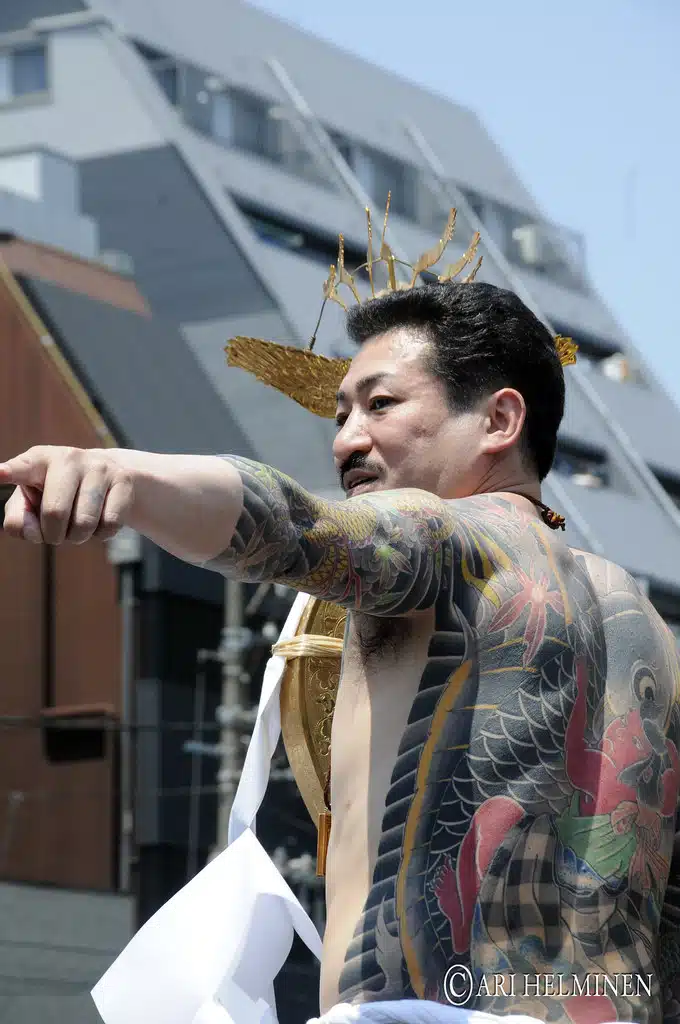
This article explores the issue of tattoos and job prospects in Japan. Tattoos have been seen as taboo in Japan for centuries, and while attitudes are beginning to change, they can still limit job prospects significantly. The article outlines ways to work around visible tattoos when applying for a job, as well as some exceptions and jobs that may be available to people with tattoos. It is important to remember that attitudes towards tattoos are changing and some companies may even embrace them if they fit their company culture or values.

What is the age limit for tattoos in Japan?

This article explores the age limit for tattoos in Japan and why it exists, as well as alternatives to traditional tattoos and the pros and cons of getting a tattoo in Japan. It also looks at the cultural implications of getting a tattoo in Japan, and provides resources for further reading. The legal age limit for tattoos in Japan is 18 years old, but minors may be allowed to get tattoos with written permission from their parents or guardians. Health risks associated with getting a tattoo at too young an age are a major concern, as well as potential cultural implications. Alternatives such as temporary tattoos, airbrush tattoos and non-toxic henna dyes can provide unique designs without any lasting effects on the body.
Is the Yakuza respected in Japan?

Is the Yakuza respected in Japan?

This article examines the history of the Yakuza, a notorious organized crime syndicate operating in Japan for centuries. It looks at their structure and operations, as well as public opinion about them. The Yakuza originated as street merchants selling illegal goods in the 17th century and has since grown into a powerful criminal organization with close ties to government officials and political parties. Public opinion is mixed, with some viewing them favorably due to their involvement in charitable activities within local communities, while others view them negatively due to their association with violent crimes such as extortion or drug trafficking. In recent years, law enforcement agencies have been targeting members of these organizations who engage in illegal activities leading to increased negative public perception.
Why is yakuza allowed in Japan?

Why is yakuza allowed in Japan?

This article explores the history, current role, and international perspectives on the Yakuza, a powerful criminal organization in Japan. It discusses how they provide services that can't be found elsewhere, their involvement in traditional cultural events, and how the Japanese government has taken a hard stance against them due to their involvement in criminal activities. It also examines how their presence has had both positive and negative effects on the Japanese economy and society. Finally, it looks at how other countries have taken stricter measures against these organizations due to their involvement in smuggling drugs and weapons across borders.

Does Japan have any weird laws?

This article looks at the history and current state of Japanese law, with a focus on some of the more unusual laws in the country. It examines how these laws are shaped by traditional culture and modern influences from other countries, as well as their potential impact on visitors to Japan. Examples of strange laws include restrictions on public nudity, smoking indoors, carrying certain items without authorization, and purchasing alcohol under the age of 20. The pros and cons of these laws are also discussed.
What is not allowed in Japan?

What is not allowed in Japan?

This article provides an overview of the laws and regulations concerning activities such as smoking, alcohol consumption, drug use, gun control, prostitution and pornography, gambling and internet censorship in Japan. It is important to note that all of these activities are strictly regulated and those who violate these laws may face harsh penalties. It is therefore essential for travelers to familiarize themselves with the local laws before visiting or living in Japan.