What destroyed the Japanese Empire?

What destroyed the Japanese Empire?

The article discusses the rise of Japan as a major world power in the early 20th century, its aggressive expansionist policies that led to its downfall in World War II, and subsequent political reforms that transformed Japan into a modern democracy with a thriving economy. Despite its successes, Japan faces challenges today such as an aging population and declining birth rate. The article concludes with hopes for a new era of prosperity and stability under Emperor Naruhito.
Why is Japan a very advanced country?

Why is Japan a very advanced country?

Japan's advanced status can be attributed to a variety of factors, including its rich history, strong education system, innovative technology, infrastructure, work ethic, economic stability, social harmony, demographics, cultural values, environmental consciousness and government policies. Its emphasis on education and hard work has led to high productivity and efficiency. Japan is also known for its innovative technology in electronics and robotics and has a well-developed transportation system. The country's culture values respect for others and social order leading to low crime rates and a sense of security for its citizens. Additionally, Japan is environmentally conscious with a focus on sustainability and reducing waste.
What is the solution to Japan declining population?

What is the solution to Japan declining population?

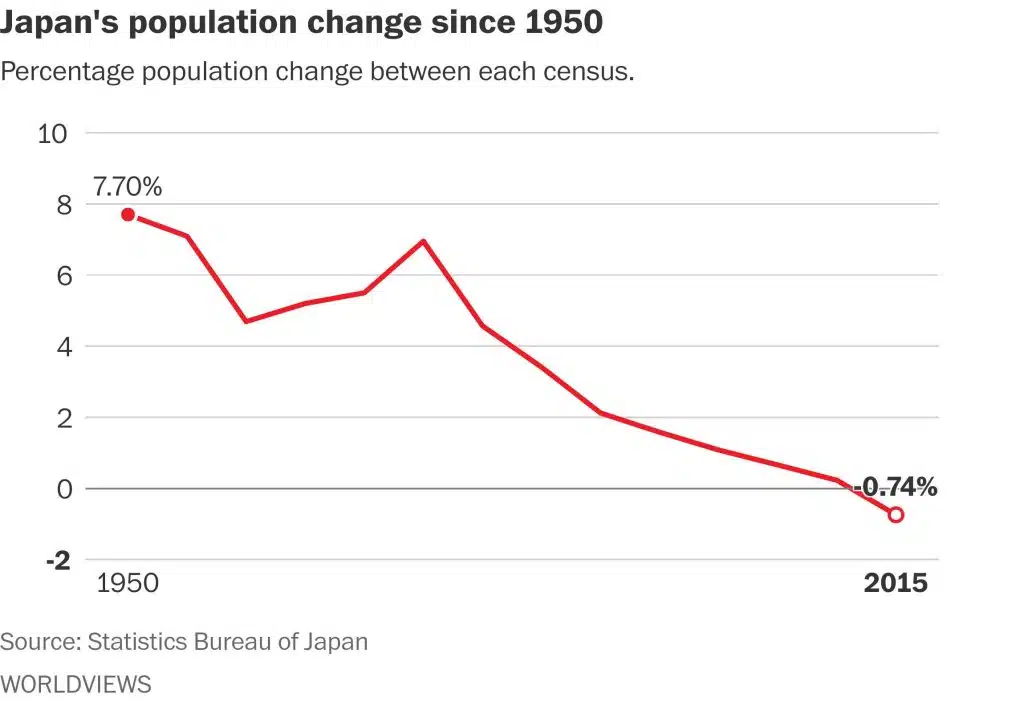
Japan is facing a significant decline in its population, which poses challenges to its economy, social structure, and sustainability. To address this issue, policymakers can implement various solutions such as improving working conditions, opening doors to immigration, incentivizing childbirth, revitalizing rural areas, investing in technology and healthcare, promoting gender equality and education reform. Changing cultural attitudes towards marriage and parenthood while stimulating economic growth through innovation and entrepreneurship could also create new job opportunities for young people. A multi-faceted approach that addresses several underlying issues simultaneously is required to reverse this trend while creating new opportunities for economic growth through technological innovation.
Is China important to Japan?

Is China important to Japan?

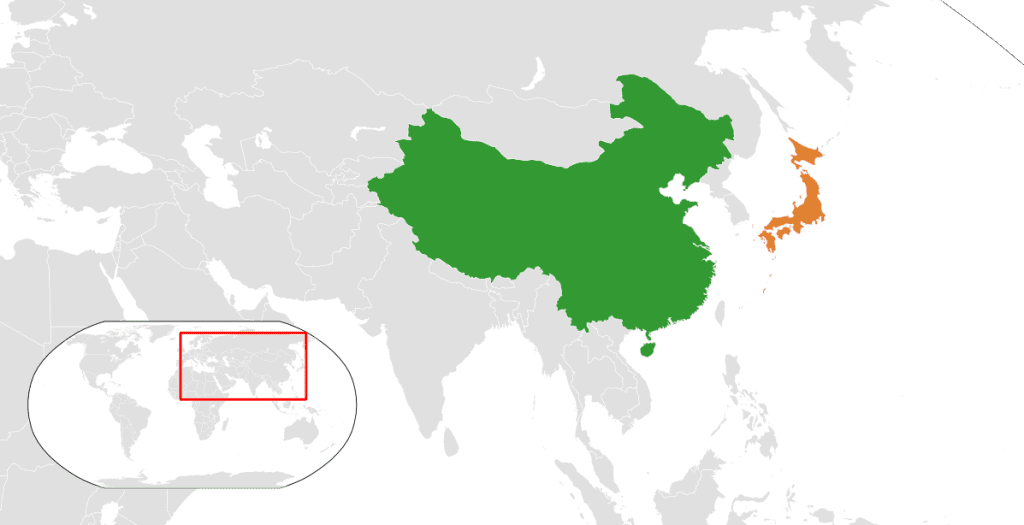
Japan and China have a long history of interactions, with cultural, economic, and political influences shaping their relationship. China is Japan's largest trading partner, and the economic ties between the two countries have resulted in an increase in investment, tourism, and cultural exchanges. However, their political relationship has been strained due to territorial disputes over the Senkaku/Diaoyu Islands and historical grievances related to Japan's occupation of China during World War II. The future direction of their relationship is uncertain but crucial for regional stability and prosperity.
What is wrong with Japan’s population?

What is wrong with Japan’s population?

Japan's population decline is a complex issue caused by an aging population, low fertility rates, gender inequality, depopulation of rural areas, economic challenges, healthcare challenges, social isolation, and strict immigration policies. Addressing this challenge will require a multifaceted approach that includes increasing support for working mothers, promoting gender equality in the workplace, providing incentives for families to have more children, supporting rural communities with essential services and infrastructure, and potentially revising immigration policies. These factors have far-reaching consequences for Japan's economy, healthcare system, and society as a whole.
When did Japan and China become enemies?

When did Japan and China become enemies?

The article discusses the complex and multifaceted relationship between Japan and China, examining factors such as historical conflicts, territorial disputes, economic rivalry, nationalism, cultural differences, and the role of external influences like the United States. While both countries have expressed a desire for peaceful coexistence, there are still many unresolved issues that could potentially lead to conflict. It is important for both countries to continue engaging in dialogue and working towards resolving their differences.
How did Korea get rid of the Japanese?

How did Korea get rid of the Japanese?

This article explores the history of Korea's fight for independence from Japan, which ruled over the country from 1910 to 1945. The Japanese government imposed strict policies on Koreans, forcing them to adopt Japanese language and culture and denying them basic rights. However, Koreans did not give up their fight for independence and launched a peaceful protest known as the March 1st Movement in 1919. The United Nations played a crucial role in helping Korea establish a free and democratic government, while Korean guerrilla fighters and the Korean Independence Army fought against Japanese oppression. International pressure also led to Japan relinquishing control over Korea after World War II ended, resulting in the establishment of the Republic of Korea in 1948. The legacy of Korea's independence movement is still celebrated today as an inspiration for other countries fighting against oppression and colonialism.
Did China overtake Japan?

Did China overtake Japan?

The article explores whether China has overtaken Japan in terms of economic development. China's rapid growth since the 1980s, driven by economic reforms and infrastructure investment, has led to it surpassing Japan's Gross Domestic Product (GDP) in 2010. China is also now the world's largest exporter and second-largest importer, with a larger trade surplus than Japan. However, both countries face challenges such as an aging population and declining birth rates that could impact future growth. While there is no clear-cut answer to which country is ahead, evidence suggests that China currently holds an advantage in GDP growth and trade numbers.
Who won the Japan China war?

Who won the Japan China war?

The Second Sino-Japanese War, which lasted from 1937 to 1945, was a large and bloody conflict between the Republic of China and the Empire of Japan. Although Japan had advantages such as better training, equipment, and tactics, China had a larger population and strong support from the international community, particularly the United States. The war ended with Japan's surrender to Allied forces in 1945, with arguments for both sides over who won the war. However, ultimately it is clear that China won due to their ability to resist Japanese aggression and maintain their independence throughout the conflict while securing support from other nations.
Did the Japanese apologize to China?

Did the Japanese apologize to China?

The article explores whether Japan has apologized for its actions during the Second Sino-Japanese War, specifically regarding the Nanjing Massacre and the issue of comfort women. While Japan has issued statements related to its actions during World War II, many Chinese people feel that these statements have not been sufficient. The importance of apologizing and history education are also discussed as factors in achieving reconciliation between Japan and China.