

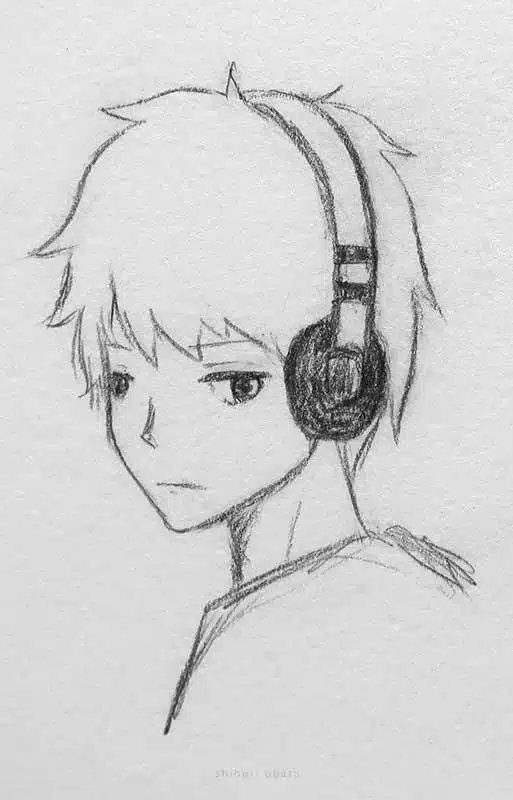
What are the basic techniques for drawing anime characters?
How to draw anime for beginners? This artistic niche is adored by many for its unique style and expressive characters. If you’re eager to explore the world of anime drawing but are unsure where to start, you’ve come to the right place. This guide is designed to take you on a step-by-step journey from the basics of anime art to more advanced techniques, ensuring that any beginner can draw anime with confidence.
Understanding the Essential Elements of Anime Drawing
Anime drawing begins with understanding its fundamental components. The unique aesthetic of anime is characterized by several key elements, including exaggerated expressions, stylized hair, and distinctive body proportions. Below, we explore these essentials in detail.
Key Features of Anime Style
- Facial Features: Anime faces are often drawn with large, expressive eyes that convey emotions vividly. The shape and placement of eyes can change the character’s entire expression, making it crucial to master this skill.
No products found.
- Hair: In anime, hair is not just a feature; it’s a defining characteristic. The hair style may vary significantly and is often drawn with flowing lines that suggest movement and texture.
- Body Proportions: While realistic proportions are usually around 7-8 heads tall, anime characters can range dramatically, often exaggerating certain features (e.g., large heads and smaller bodies) for stylistic effect.
- Expressions: Emotions are a vital part of anime. Characters can express a wide range of feelings through subtle changes in their facial features, from joy to anger.
Gathering Your Tools for Anime Drawing
Before you start your artistic journey, it’s essential to prepare by gathering the right tools. Here’s a list of recommended materials every beginner should consider:
| Tool Type | Recommendations |
|——————–|———————————————————–|
| Pencils | Graphite pencils (2H for fine lines, HB for shading) |
| Erasers | Kneaded erasers for precision, standard erasers for clean-ups |
| Paper | Smooth Bristol paper for clean, defined lines |
| Inking Pens | Fine-tipped ink pens for outlining |
| Markers or Copic | For coloring and shading |
| Digital Tablet | If you prefer digital art, tablets like Wacom or iPad Pro|
No products found.
For digital drawing, software like Clip Studio Paint, Adobe Photoshop, or free alternatives like Krita can be excellent choices.
Mastering the Basics of Drawing Anime
To truly excel at how to draw anime for beginners, it’s essential to start with the basics. Here’s a structured approach to help you develop your skills.
Learning Basic Shapes
Before diving into detailed character drawing, practice sketching basic shapes, as they serve as the foundation of all drawings:
- Circle: Used for heads and various body parts.
- Oval: Useful for limbs and the torso.
- Rectangle: Great for building body structure and clothing shapes.
Creating the Head Structure
When learning how to draw anime for beginners, prioritize mastering the head structure:
- Draw a Circle: Begin with a circle that will form the top part of the head.
- Add Guidelines: Sketch a vertical line down the center and a horizontal line halfway for eye placement.
- Refine the Jawline: From the sides of the circle, draw a downward curve to create the jaw and chin.
Detailing the Face
Now that you have your outline, it’s time to add facial features:
- Eyes: Draw the eyes along the horizontal guideline. Remember, anime eyes are often large. Sketch an upper and lower line and add a circle within for the iris.
- Nose and Mouth: The nose is often minimal — a small dot or line suffices. The mouth should be drawn just below, showing slight curves to depict expression.
- Eyebrows: Add eyebrows above the eyes to enhance expression.
Drawing the Hair
Anime hair can be drawn in sections, so remember to:
- Create the Hairline: Start from the forehead and outline where the hair will fall.
- Chunk Sections: Draw the hair in segments instead of a whole mass to make it look more dynamic.
- Add Texture: Use strokes that follow the flow of the hair, and don’t hesitate to draw some strands to give a more natural finish.
Constructing the Body
Once you have a good head sketch, you can begin working on the body:
- Torso Shape: Start with a rectangle or an oval for the torso. Refine this into the shape you desire.
- Limbs: Use elongated ovals or cylinders for arms and legs, ensuring they connect naturally to the torso.
- Feet and Hands: Draw basic shapes for hands and feet, adding detail as you become comfortable with the form.
Practicing and Improving Your Anime Drawing Skills
Learning how to draw anime for beginners is all about consistent practice. Follow these strategies to enhance your skills:
Regular Sketching Practice
Set aside time daily or weekly to sketch. This could include drawing from references or life:
- Life Drawing: Attend sessions where live models pose.
- Anime References: Use references from your favorite anime or manga. You can find high-quality references on various platforms such as Pinterest or ArtStation.
Study and Analyze Existing Art
Look at artwork from seasoned artists. Analyze their techniques, styles, and the choices they make regarding character design. This can provide invaluable insights into what makes great anime art.
Participate in Online Communities
Join forums or social media groups dedicated to anime art. Platforms like Reddit, DeviantArt, and Instagram host numerous artists who share their techniques and give feedback.
- Community Feedback: Sharing your work allows others to provide constructive criticism that can help you grow.
Take Online Courses
Consider enrolling in courses offered by platforms like Skillshare or Udemy, which provide structured lessons on anime drawing. Many courses are specifically designed for beginners and cover everything from character anatomy to coloring techniques.
Experimenting with Styles and Techniques
As you become more comfortable drawing, explore various styles and techniques to find your artistic voice:
Different Anime Styles
Anime comes in various styles, from shonen to shojo, each with unique characteristics:
- Shonen Style: Often action-oriented, with bold lines and dynamic poses.
- Shojo Style: Characterized by delicate features, larger eyes, and more soft lines and colors.
Color Theory and Shading
Understanding color theory is crucial for adding depth to your characters. Here are some tips:
- Basic Color Wheel: Familiarize yourself with the color wheel to understand complementary and analogous colors.
- Shading Techniques: Use cross-hatching or smooth gradient techniques to create volume and depth in your drawings.
Advanced Techniques in Anime Drawing
Once you have a handle on the basics, you may want to delve into more advanced techniques useful for character design and storytelling.
Dynamic Poses
To make your artwork more dynamic, study motion and different poses. Use references from:
- Photographs: Capture real-life motion.
- Anime Action Scenes: Observe how professional artists depict movement and energetic poses.
Backgrounds and Environments
Don’t overlook the importance of backgrounds. A well-drawn environment can elevate the character design significantly. Consider:
- Simple Backgrounds: Start with easy structures, such as houses or trees.
- Detailing: Gradually add complexity as your skills improve, using perspective techniques to create depth.
Final Thoughts on How to Draw Anime for Beginners
As you embark on your journey to learn how to draw anime for beginners, remember that patience and persistence are key. Progress takes time, and every artist develops at their own pace. Use this guide as a foundation and allow your creativity to flourish.
by mastering the basics, gathering the necessary tools, and consistently practicing, you will find yourself improving over time. Join communities, share your works, and continue exploring new techniques. With dedication, you will unlock your potential in the expressive and exciting world of anime drawing. For more resources and tips, you can visit Artist Network and Anime Art Class. Happy drawing!

