Do family members bathe together in Japan?

Do family members bathe together in Japan?

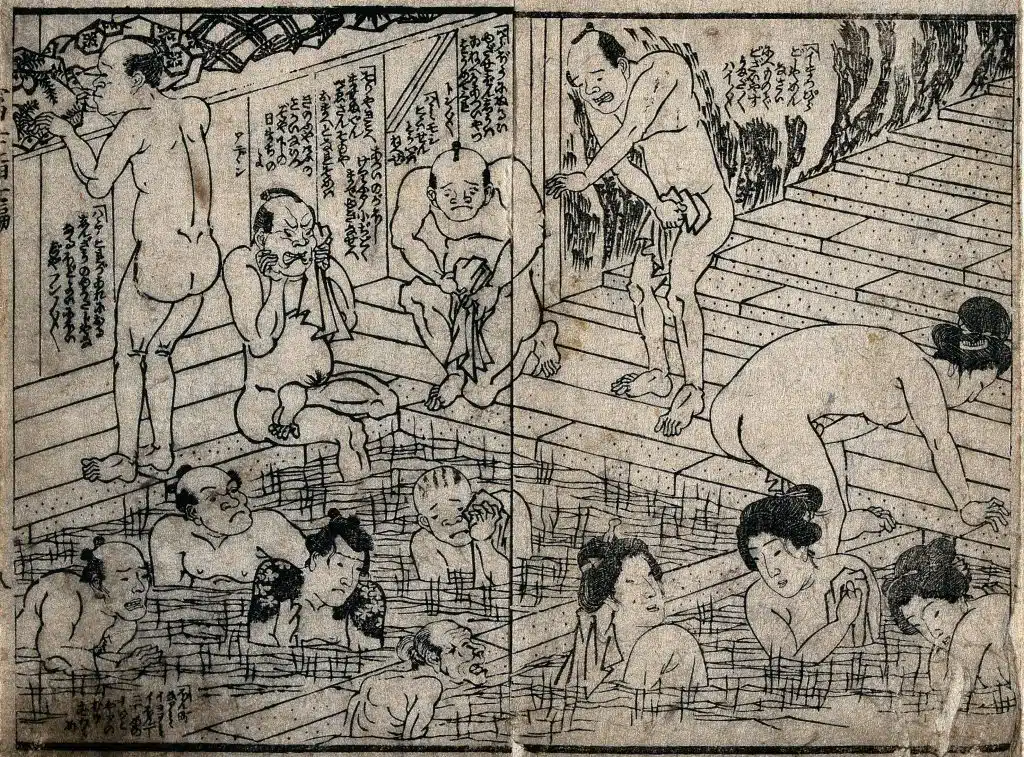
Bathing is an important part of Japanese culture, viewed as a way to purify oneself and renew the mind and body. Bathing etiquette includes washing thoroughly before entering the tub, never bringing soap or shampoo into the tub and always rinsing off before leaving. Most households have a separate room for bathing called a "ofuro", but whether family members bathe together depends on regional customs and household preferences. Gender-segregated public baths are common in Japan, but some have family baths where families can bathe together in private. Bathing together can promote closer family bonds and improve communication, but concerns include the spread of germs or infections and privacy/modesty issues. Alternatives to bathing together include multiple bathrooms or using public baths instead. Attitudes towards communal bathing are changing over time with more people living in urban areas and smaller homes.
Do the Japanese share the same bathwater with other family members?

Do the Japanese share the same bathwater with other family members?

Sharing bathwater is a common practice in Japan that has been around for centuries. It promotes family harmony, saves water and energy, and is considered cost-effective. The tradition of sharing bathwater has been passed down from generation to generation and is still an important part of Japanese culture. Although some may find it unhygienic, the Japanese believe that because everyone in the family is clean before entering the bath, the water remains relatively clean. Cleanliness is still highly valued in Japan, and public baths and hot springs have strict hygiene rules that patrons must follow.
Do Japanese people take baths together?

Do Japanese people take baths together?

Japanese people do take baths together as part of their cultural practice, which promotes family bonding, friendship, and relaxation. Group bathing has a long history in Japan, with public baths being common in the past and private bathrooms becoming popular over time. Onsen culture, family bonding, and group bonding among friends are some reasons why Japanese people take baths together. While there are some controversies surrounding this practice, it remains an essential part of Japanese culture.
Do friends bath together in Japan?

Do friends bath together in Japan?

The article explores the cultural norms surrounding friendship and bathing in Japan. Bathing is an essential part of Japanese culture, and it plays a significant role in daily life. Public baths or sentos are prevalent, and they offer a communal space for people to relax and unwind after a long day at work or school. In public baths, men and women bathe separately, and families may bathe together. Private baths are more exclusive, and men and women bathe separately. While it is possible for same-gender friends to bathe together in private baths, it is not common due to cultural norms surrounding privacy and personal space.

Is mixed bathing common in Japan?

The article discusses the cultural significance of mixed bathing in Japan, including its history and evolution over time. It explains the importance of communal bathing in Japanese culture, particularly through hot springs and onsens. The article also explores the gender divide in mixed bathing and the recent trend of private onsens. Additionally, it highlights the role of clothing and cultural sensitivity when participating in mixed bathing, as well as both the benefits and risks associated with it. The article concludes by predicting the future of mixed bathing in Japan and offering a recommendation for readers interested in experiencing it themselves.
Why is bathing together normal in Japan?

Why is bathing together normal in Japan?

The article explores the tradition of communal bathing in Japan, which dates back to ancient times. Bathing is seen as a way to purify the mind and soul, strengthen social bonds, and promote harmony among people. Onsen, or hot springs, are an integral part of Japanese bath culture, and while mixed-gender bathing is becoming more common, traditional Japanese baths are still gender-segregated. Despite facing challenges in modern times, communal bathing remains an important aspect of Japanese culture and offers numerous benefits beyond just physical cleanliness.
Are communal baths common in Japan?

Are communal baths common in Japan?

Communal baths, or sento and onsen, have been a traditional part of Japanese culture for centuries. They offer not only hygiene but also relaxation and socialization. The origins of communal baths in Japan can be traced back to the Edo period. There are two main types of communal baths in Japan: sento and onsen. Sento is a public bathhouse that uses ordinary tap water, while onsen uses hot springs water. Communal baths offer many benefits beyond just hygiene. They provide a space for relaxation and socialization, which can help reduce stress and improve mental health. Despite their decline in popularity due to modern plumbing and changing cultural attitudes, communal baths still hold an important place in Japanese society today.
Do men bathe together in Japan?

Do men bathe together in Japan?

This article explores the history of bathing in Japan, from its origins during the Edo period to its continued popularity today. It explains the different types of baths available - public baths, sento and onsen - and answers the question of whether men bathe together in Japan. Generally speaking, men do not bathe together due to cultural norms around modesty. However, there may be some gay-friendly sento or onsen baths that allow mixed-gender bathing between same sex couples.
Do people bathe together in Japan?

Do people bathe together in Japan?

This article explores the history, types, etiquette and benefits of bathing together in Japan. Bathing has been an important part of Japanese culture for centuries and is seen as a way to relax, refresh, and connect with friends and family. There are three main types of baths: public baths (sentō), private onsens (hot springs), and home baths (ofuro). People can bathe together in public baths regardless of gender or age; however, private onsens usually have separate areas for men and women. Bathing together has many benefits both physically and mentally, including improved circulation, stress relief, increased energy levels and improved sleep quality. It is important to follow proper etiquette when taking part in communal bathing such as washing your body before entering the bathtub/onsen area or not talking loudly while bathing. Misconceptions about communal bathing being inappropriate or sexualized are untrue; nudity isn't required when taking part in these activities.
Is it common for friends to bathe together in Japan?

Is it common for friends to bathe together in Japan?

Bathing is an important part of Japanese culture, with public baths becoming popular during the Edo period (1603-1868). Onsens are natural hot spring baths that are believed to have healing properties due to their high mineral content. It is common for friends to bathe together in public onsens throughout Japan as it is seen as a social activity. However, there are certain rules and cultural considerations that must be taken into account such as refraining from nudity or sexual behavior, keeping voices low, not wearing swimwear (as this is considered inappropriate), following all posted rules within the facility itself, being respectful towards other guests and refraining from excessive splashing.