Are Japanese bathhouses sanitary?

Are Japanese bathhouses sanitary?

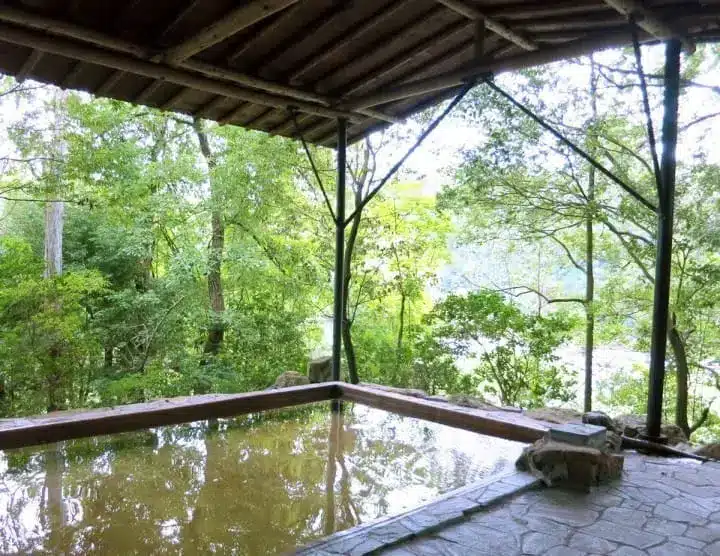
Japanese bathhouses, known as "onsen," have a long history in Japanese culture and are renowned for their relaxing atmosphere and therapeutic benefits. Despite concerns about cleanliness, there are strict regulations in place to maintain hygiene standards, and patrons are expected to follow proper hygiene practices. Onsen staff play a vital role in ensuring cleanliness, and many people of all ages enjoy the experience. As Japan modernizes, traditional onsen faces new challenges, but there is still a strong appreciation for the cultural significance of bathhouses in Japan.
Do Japanese people use soap in the bath?

Do Japanese people use soap in the bath?

Japanese bathing culture has a long history dating back to ancient times when hot springs were used for medicinal purposes. Today, bathing is an essential part of Japanese culture, and it's common for people to take baths at home every day. Japanese bathrooms have a separate area for washing before getting into the tub, and soap is an essential part of Japanese bathing culture to remove dirt, sweat, and oils from the skin before entering the hot water. Using soap in a Japanese bath has many benefits, including removing dirt and bacteria from your skin, reducing body odor, and promoting relaxation. Onsen (hot springs) play a significant role in Japanese bathing culture, known for their therapeutic properties and healing powers. Etiquette is essential in Japanese bathing culture when visiting public bathhouses or using private baths at home.