Do Japanese people drink water?

Do Japanese people drink water?

Japanese people consume an average of 1.3 liters of water per day, slightly lower than the recommended daily intake of 1.5-2 liters, according to a study by the Ministry of Health, Labour and Welfare. Cultural factors such as tea being an integral part of Japanese culture and the preference for hot or warm drinks can influence drinking habits. While bottled water has gained popularity in Japan due to concerns over water quality and taste, it has led to increased plastic waste and sustainability concerns. Drinking enough water is crucial for overall health, weight loss efforts, skin health, exercise performance and recovery, stress relief, and more. Tips for drinking more water include carrying a reusable water bottle and incorporating hydrating foods into one's diet.
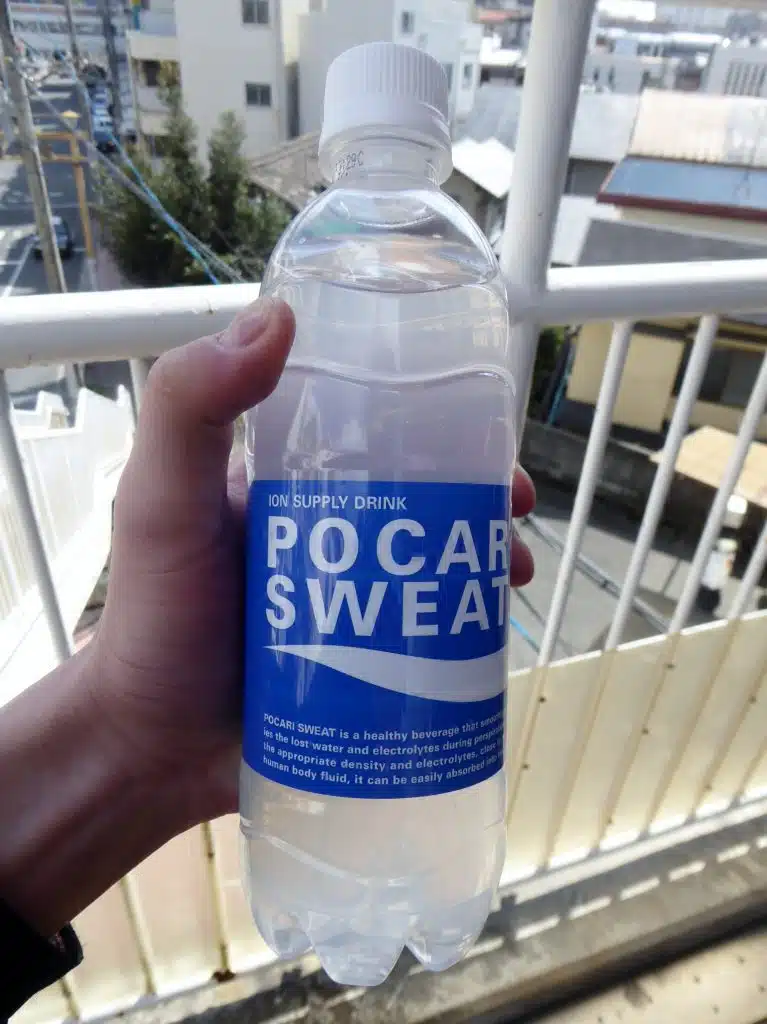
Why do Japanese drink bottled water?

Why do Japanese drink bottled water?

This article explores the history of bottled water in Japan, why it is so popular, and what alternatives exist for those who want to reduce their environmental impact. It traces the popularity of bottled water back to the late 19th century when mineral springs were discovered in the country. Today, over 60% of households purchase some form of bottled water on a regular basis due to its convenience and perceived quality benefits. However, there are drawbacks associated with drinking bottled water such as plastic waste generation and transportation costs involved with shipping these products around the world. Alternatives such as filtered pitchers or reusable bottles can help reduce waste while still allowing access to clean drinking water wherever you go.
Do Japanese drink from tap?

Do Japanese drink from tap?

This article explores whether it is safe to drink tap water in Japan. It is found that tap water in Japan is generally safe to drink, meeting government standards for purity and having some of the strictest standards for quality in the world. Tap water is consumed by both locals and foreigners alike, offering benefits such as reducing plastic waste and supporting local infrastructure. However, there are potential drawbacks such as trace amounts of chemicals or minerals which could be present.