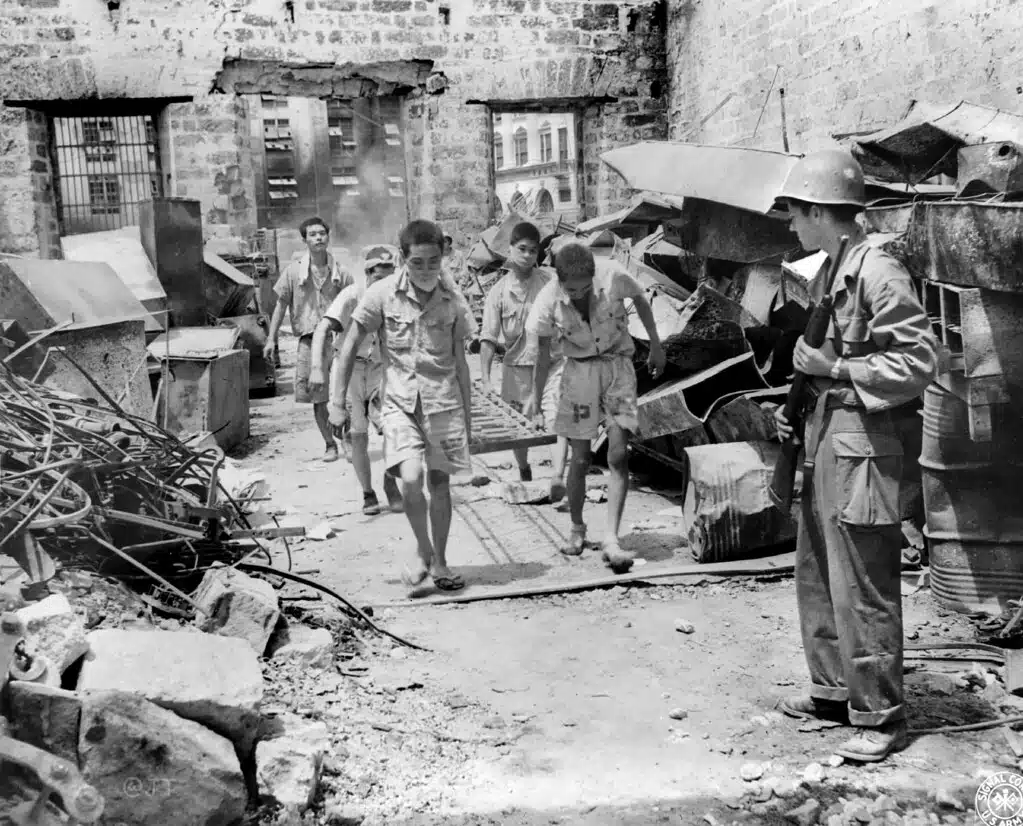
Why did the Japanese soldiers treat their prisoners so poorly?

Why did the Japanese soldiers treat their prisoners so poorly?

This article examines the reasons why Japanese soldiers treated their prisoners so poorly during World War II, including Japan's militaristic culture, cultural perspective on war, role of the emperor in military conduct and the influence of propaganda. It looks at how these factors combined to create an environment where cruel and inhuman treatment towards prisoners became accepted behavior among some members within the Imperial Army, resulting in loss of innocent lives and suffering for those unfortunate enough to be captured by them.
Why did Japan treat POWs so badly?

Why did Japan treat POWs so badly?

Conclusion This article has explored the reasons behind Japan's brutal treatment of POWs during World War II, including its long history of militarism and war, their attitude towards surrender and prisoners of war, their official ideology at the time, and their strict military discipline. It also discussed the post-war trials and punishments for Japanese abuses, as well as efforts by successive Japanese governments to apologize for these atrocities. This article examines why Japan treated Prisoners of War (POWs) so harshly during World War II. Reasons include a long history of militarism and war; a belief in Bushido that surrender was dishonorable; an ideology of nationalism, militarism and emperor worship known as State Shinto or Imperial Way; and strict military discipline with severe punishments for those who disobeyed orders. Post-war trials were held for some senior officers within the Imperial Japanese Army and there have been apologies from successive Japanese governments for these atrocities.