Is sleeping on the floor common in Japan?

Is sleeping on the floor common in Japan?

Sleeping on the floor, or "futon," has been a part of Japanese culture for centuries. It is still prevalent today due to its space-saving benefits, comfort, and hygiene. The traditional futon has evolved over time to meet modern needs and is available in different sizes. While it offers benefits such as improved posture and circulation, there are also drawbacks such as discomfort for those not used to it and difficulty keeping the futon clean. Despite the availability of comfortable beds, many Japanese people continue to embrace this cultural tradition as a way of embracing simplicity and minimalism.
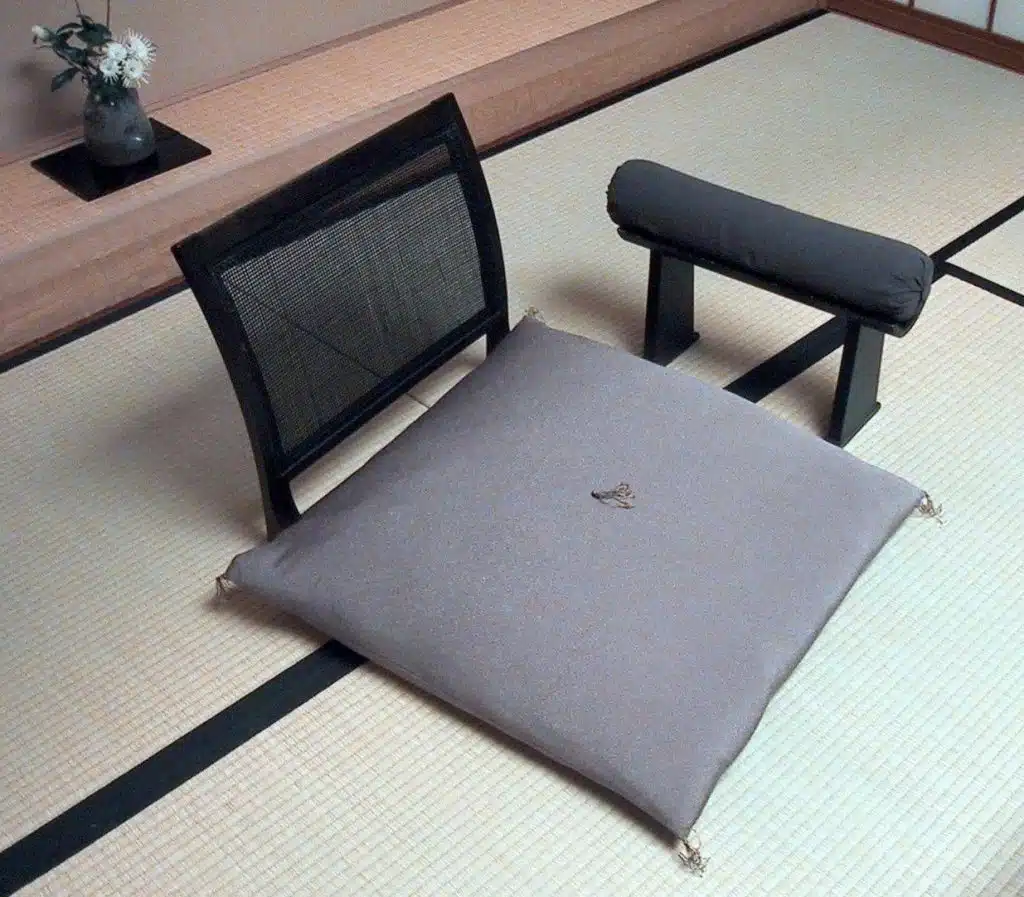
Is it healthy to sit on floor like Japanese?

Is it healthy to sit on floor like Japanese?

This article explores the benefits and risks of sitting on the floor, as well as how to do it properly and make it more comfortable. Sitting on the floor is a practice that comes from many different cultures, including Japan, and has several health benefits such as improved posture, increased circulation throughout one's body, improved digestion, strengthened core muscles, increased flexibility in hips & ankles, improved focus & concentration due its calming effect. There are risks associated with this practice if not done properly or too often without taking breaks or stretching out afterwards. Tips are given for how to sit properly on the floor and make it more comfortable. Additionally, other ways of sitting on the floor besides seiza are discussed with their own unique set of health benefits. Overall, when done correctly this ancient practice offers numerous physical & mental health benefits.