Is it is good to sleep at work in Japan?

Is it is good to sleep at work in Japan?

In Japan, there is a long-standing culture of napping during working hours known as “inemuri” or “sleeping while present”. This practice is becoming increasingly common due to the long working hours that many Japanese workers face on a daily basis. Taking short naps during the day can help employees stay alert and focused throughout their shift, allowing them to be more productive overall. There are also some drawbacks associated with sleeping at work such as decreased productivity if done too often or for too long, disciplinary action from bosses who catch employees sleeping on the job, etc. Despite potential drawbacks, there are still some companies that actively encourage employees to take short naps whenever needed.

Is overtime illegal in Japan?

In Japan, overtime is not illegal but employers must comply with certain rules regarding overtime pay and working hours set out by the Labor Standards Act. Excessive overtime can lead to fatigue, stress-related health problems, decreased productivity, and social isolation. Employers who violate labor laws related to overtime may be subject to fines from Japanese authorities. To avoid excessive overtime employers should ensure employees understand their rights under Japanese labor laws, keep accurate records of employee's working hours, provide adequate training and resources for employees to complete tasks within their given time frame, and provide incentives for those who complete tasks ahead of schedule without sacrificing quality standards.
How many hours do Japanese work?

How many hours do Japanese work?

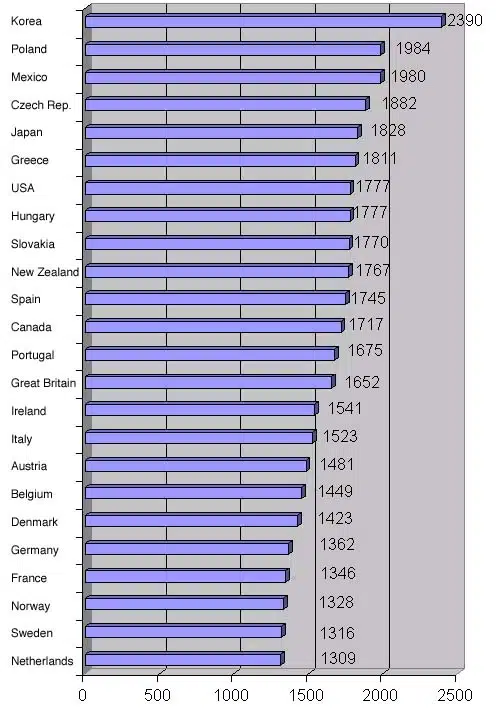
This article examines the working hours of Japanese citizens and how they compare to other countries. The average workweek in Japan is around 45 hours, with some workers clocking up to 80-90 hours per week. Factors such as company size, industry sector and job role can affect working hours. According to OECD statistics from 2017/2018, Japanese workers had an average annual full-time employment rate of 2124 compared with 1765 for OECD countries overall (excluding Mexico). Laws regulate maximum allowable working time limits within a given period of time and minimum wages must be paid if overtime is required beyond these limits. Long working days bring both benefits and drawbacks; however, only through careful consideration and proper planning will organisations be able to reap true benefits in the long term whilst ensuring the health, safety and welfare of all employees concerned.
How many hours does a Japanese work?

How many hours does a Japanese work?

This article explores the traditional working week in Japan, which is typically 40 hours per week. Variations in working hours across different sectors are discussed, as well as the impact of the COVID-19 pandemic on working hours in Japan. Strategies for managing stressful working conditions and the benefits and disadvantages of longer working hours are also explored.
Do Japanese really work long hours?

Do Japanese really work long hours?

Japanese workers are known for their hard work and long working hours, with the average worker putting in 2,123 hours per year according to the Organisation for Economic Co-operation and Development (OECD), 8 hours more than the OECD average. This is attributed to traditional values of loyalty and dedication to one’s job, as well as a competitive business environment. Additionally, overtime pay regulations and labor laws that favor employers are also factors. Long working hours have had a significant impact on society with an increase in health problems due to excessive stress, as well as an imbalance between work life and family life. The government has taken steps towards reducing the amount of time that people spend at work through various initiatives such as promoting flexible work schedules and encouraging employers not exceed certain limits when it comes to overtime pay regulations or labor laws related issues. Despite these efforts, there are still challenges facing successful implementation of policies aimed at reducing working hours.
Do Japanese still work long hours?

Do Japanese still work long hours?

This article examines the history of long working hours in Japan, how it affects the economy and society today, and what the future may hold for work-life balance in Japan. It discusses how long working hours have their roots in Japan's feudal era, with factory workers expected to put in long hours with little rest or compensation. It also looks at how 20% of full-time employees still work at least 49 hours per week while 10% work over 60 hours per week and why this is so prevalent. The article discusses the positive and negative impacts of long working hours on the Japanese economy and society, as well as government efforts to reduce them. Finally, it looks at potential changes in the future such as increased flexible working arrangements, transparency regarding working conditions and salary packages that could lead to more leisure time outside of work commitments.