Should I learn Japanese before going to Japan?

Should I learn Japanese before going to Japan?

Learning Japanese before traveling to Japan is highly recommended as it helps tourists understand the culture better, communicate efficiently with locals, get around the country with ease, make friends and connections, and enhance their travel experience significantly. Knowing the language also provides numerous learning opportunities and can open up professional opportunities in Japan. Additionally, it can be cost-effective and help with personal growth.
How hot is Japan in July and August?

How hot is Japan in July and August?

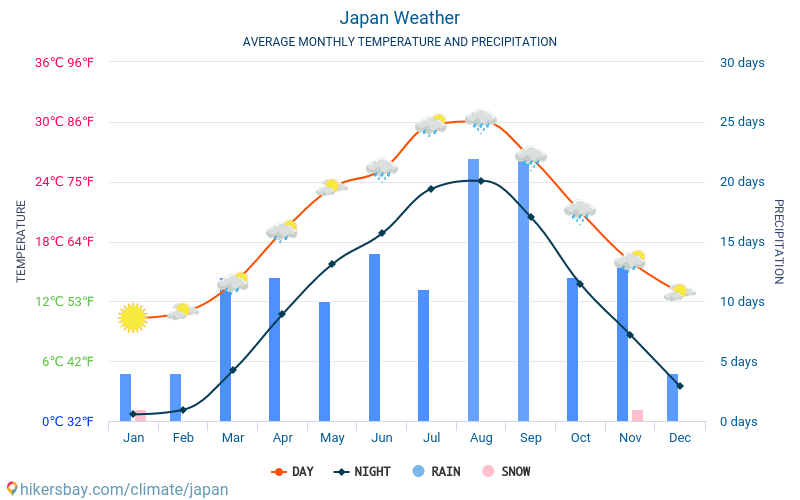
July and August are the hottest months in Japan, with temperatures ranging from 25-35°C depending on the region. The combination of heat and humidity can make it feel much hotter than the actual temperature, leading to health problems if proper precautions are not taken. It is important to stay hydrated, wear lightweight clothing, and stay in air-conditioned areas. Japan also experiences typhoon season during these months, so it is important to stay informed about any warnings or advisories. Despite the heat and potential for typhoons, there are many festivals, beaches, and delicious produce available during these months that make Japan a great place to visit.
What is Japan driest month?

What is Japan driest month?

January is the driest month in Japan, making it an ideal time for tourists who want to explore outdoor activities such as skiing, snowboarding, or hiking without worrying about heavy rainfall. The low precipitation levels are due to the cold air from Siberia covering much of the country and the high-pressure system over the Pacific Ocean preventing the formation of low-pressure systems that typically bring in rain. Some regions experience high amounts of precipitation during this period, including Okinawa and the southern islands of Kyushu. Tourists should pack warm clothing such as jackets, gloves, hats, and boots when visiting Japan in January.
Where should I go for my first time in Japan?

Where should I go for my first time in Japan?

Japan has a unique blend of ancient traditions and modern technology, making it difficult to decide what to do and where to go. For first-time visitors, Tokyo, Kyoto, Osaka, Hiroshima, Nara, Hokkaido, Okinawa, Hakone, Takayama, Kamakura, Mount Fuji and Tokyo Disney Resort are among the top destinations to consider. Visitors can immerse themselves in Japanese culture by visiting iconic landmarks like the Tokyo Tower or Kiyomizu-dera Temple and trying traditional cuisine like Kaiseki Ryori or takoyaki.
When should I stop traveling to Japan?

When should I stop traveling to Japan?

The article provides an overview of various factors that travelers should consider when deciding whether or not to travel to Japan. These include the current situation in Japan, travel restrictions, health risks, safety concerns, cultural differences, language barriers, seasonal factors, budget considerations, and environmental factors. While Japan is generally considered a safe destination with a unique culture and stunning natural scenery, travelers should be aware of potential risks and plan accordingly.
Where should I go in Japan for the first time?

Where should I go in Japan for the first time?

This article provides a guide for first-time travelers to Japan, exploring the best places to visit in the country. Highlights include Tokyo, with its modern skyscrapers and traditional temples; Kyoto, home to ancient temples and traditional culture; Osaka, known as ‘Japan’s Kitchen’ for its culinary delights; Sapporo, a winter wonderland full of snow activities; Hiroshima, which is a symbol of peace with memorials dedicated to those who lost their lives during World War II; and Okinawa Prefecture, with stunning tropical beaches surrounded by lush green forests.
What is the cheapest way to get around Japan?

What is the cheapest way to get around Japan?

This article explores various ways to get around Japan on a budget, such as taking advantage of discounts and deals, using local transportation networks, car sharing services, and the Japan Rail Pass. It also includes considerations for long-distance travel in the country such as purchasing a rail pass or opting for night buses. With these tips, travelers can explore Japan without breaking the bank.
What are the warmest months in Japan?

What are the warmest months in Japan?

This article provides an overview of the climate in Japan, discussing factors that influence the warmest months as well as average temperatures by month. July and August are generally considered the warmest months throughout most of Japan but this can vary depending on location and altitude; areas closer to sea level or coastal regions tend to experience warmer temperatures than those at higher altitudes or inland locations respectively. Additionally, some areas within Japan experience warmer climates due to their unique geography or climate conditions such as subtropical climates or hot springs for example. Tips for enjoying the warmest months in Japan are also provided.
Is 5 days enough for Japan?

Is 5 days enough for Japan?

This article provides an overview of what can be seen and done in Japan in five days, as well as advice on where to stay, how to get around, what to eat and activities to enjoy. Tips for visiting Japan within this timeframe are also provided, such as planning ahead, budgeting wisely and using public transportation instead of car rentals or taxis. With careful planning and research, visitors can have an enjoyable experience during their stay!
What is the cheapest month to go to Japan?

What is the cheapest month to go to Japan?

This article examines the cheapest month to visit Japan, taking into account factors such as climate/weather conditions and budget constraints. Generally speaking, December through February are considered off-peak season for tourism and offer great deals on flights and accommodation. Tips for saving money while visiting Japan are provided, as well as advice on how to plan a trip to make the most of the experience.