How is working life in Japan?

How is working life in Japan?

Working life in Japan is often portrayed as rigorous and demanding, but there are many unique aspects of working in Japan that make the experience both challenging and rewarding. Japanese work culture emphasizes loyalty to the company and respect for authority, with a strong sense of community and unity within the workplace. Job security is emphasized in Japan, which creates a sense of stability for workers but can also make it difficult to switch jobs or careers. Salaries vary widely depending on industry and position, while benefits such as healthcare and retirement plans are common. Long hours are well-known in Japan, but initiatives are in place to reduce overtime and promote flexible working arrangements. Despite the long hours, work-life balance is still a priority for many Japanese workers. Communication styles tend to be indirect and reserved, while career advancement is often based on seniority rather than merit. Foreign workers in Japan often face unique challenges such as language barriers and cultural differences, but resources are available to help them thrive in the workplace.
What is Japanese work ethic?

What is Japanese work ethic?

The Japanese work ethic is a unique system based on traditional values such as hard work, dedication towards achieving results, loyalty towards employers and colleagues, and respect for superiors. It has numerous benefits such as increased productivity, better team morale and improved customer service, but also comes with challenges such as burnout due to long hours and lack of recognition from employers. Recent changes have helped address some of these issues while still maintaining the core values of the system. As such, it has become increasingly popular in Japan today.
How many hours do Japanese men work?

How many hours do Japanese men work?

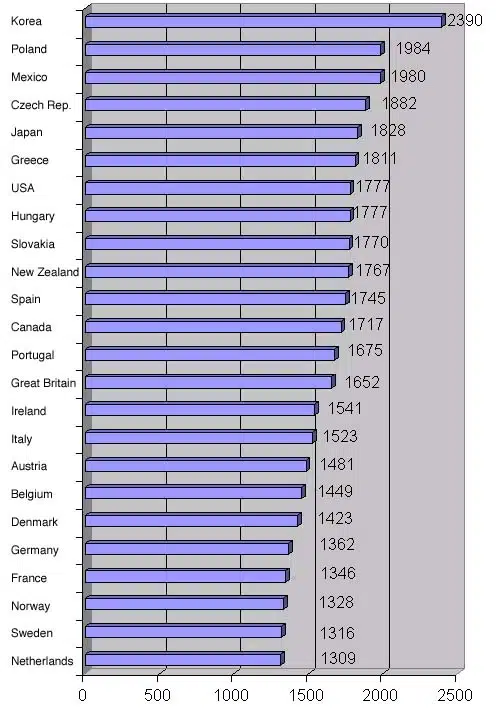
Japanese men work longer hours than other countries in the world, with an average of 2,124 hours per year according to a survey by the Organisation for Economic Co-operation and Development (OECD). This is significantly higher than the OECD average of 38.3 hours per week and much higher than the European Union's recommended limit. Factors contributing to this phenomenon include cultural norms emphasizing hard work, lack of flexibility when it comes to scheduling options, and lack incentives from employers. Companies and the government have taken measures such as introducing flexible schedules and legislation limiting overtime in order to improve employee wellbeing and productivity levels.
How is work-life in Japan?

How is work-life in Japan?

This article explores work-life balance in Japan, including the role of technology in the workplace, the impact of long working hours on mental health, and benefits and challenges employees face. It is noted that Japanese employees often work 2,069 hours per year compared to their American counterparts. There has been an increase in awareness surrounding mental health issues due to long working hours as well as more companies offering flexible working hours or telecommuting options for employees. Technology plays a major role in how people work in Japan today with online portals and AI-powered systems streamlining operations. Long working hours can take a toll on mental health if not managed properly. Benefits include job security, good salaries, quality healthcare and educational opportunities, while challenges include language barriers, discrimination and conforming to corporate culture.
Do Japanese work long hours?

Do Japanese work long hours?

This article explores the long-standing debate about working hours in Japan, which dates back to the Meiji period. It explains the typical Japanese work schedule, reasons for long working hours, and negative effects of such long working hours. It also discusses government policies and private sector initiatives that have been implemented to reduce working hours in Japan, as well as their successes so far. The article concludes that while there has been some success in reducing average weekly overtime, more needs to be done in order to completely eradicate this problem within society.

How many hours do Japanese really work?

This article explores the average workweek in Japan, which is 44.6 hours per week according to a study by The Organisation for Economic Co-operation and Development (OECD), significantly higher than the OECD average of 40.3 hours per week. It compares Japanese working hours to other countries such as Germany and France, which have shorter average work weeks ranging from 34-40 hours per week respectively. Reasons for these long working hours include cultural expectations, economic pressures, and loyalty among employees. It also discusses the implications of long working hours on health and wellbeing as well as potential benefits for employers and employees. Finally, it provides suggestions on how to reduce the amount of time spent at work without sacrificing productivity.
What is the work culture like in Japan?

What is the work culture like in Japan?

This article provides an introduction to the work culture in Japan, which is based on respect for authority, punctuality, and diligence. Technology plays an important role in the workplace and overtime is common. Japanese management styles are hierarchical but collaborative. Gender roles are also an important factor in the workplace. Working in Japan offers many benefits such as higher wages, excellent health benefits, job security, generous vacation time, etc., but there are also challenges such as language barriers and cultural differences that foreign workers should be aware of.
How many hours do Japanese work a day?

How many hours do Japanese work a day?

This article explores the working hours of Japanese people and how they compare to other countries. It is noted that the average worker in Japan works 2,191 hours per year, significantly higher than other developed countries. The article also looks at the impact that long working hours can have on health and wellbeing, as well as strategies for reducing working hours in Japan such as flexible work schedules, additional support structures like childcare facilities, remote working options and incentives. Recent initiatives by both employers and government agencies are also discussed.
Why do Japanese work so many hours?

Why do Japanese work so many hours?

This article explores the long working hours in Japan, the reasons behind it, the effects of this on Japanese society, and what measures the government is taking to reduce them. It looks at the history of long working hours in Japan, its corporate culture and work ethic, and how low wages and long commutes contribute to people putting in extra effort just to make ends meet. It also examines the effects of overworking such as fatigue, physical ailments and mental health problems, as well as government policies to reduce them. Finally, it compares Japan's average number of weekly working hours with other developed countries.