Why appearance is important in Japan?

Why appearance is important in Japan?

Appearance holds significant importance in Japanese culture due to various factors such as the influence of Shintoism and Buddhism, the role of formality and conformity, the importance of first impressions, the influence of media, the connection between appearance and self-discipline, gift giving, social status, traditional clothing, personal hygiene, health, pop culture, attention to detail and more. Although there is a shift towards individualistic expressions of style in Japan, appearance remains an integral aspect of Japanese culture.
Why is face important in Japan?

Why is face important in Japan?

The concept of face, or "kao" in Japanese, is an important aspect of Japanese culture that refers to one's reputation, social status, and presentation to others. It has its roots in ancient feudal Japan and is still influential today due to Japan's collectivist culture, where group harmony is highly valued. Maintaining face is crucial for preserving this harmony and can be achieved through non-verbal communication, personal relationships in business deals, apologizing even when not at fault, the importance of rank and gender roles. However, there are downsides to maintaining face such as hiding true feelings or opinions. Understanding the importance of face can provide insight into the complex social dynamics at play in Japanese society.
Is beauty important in Japan?

Is beauty important in Japan?

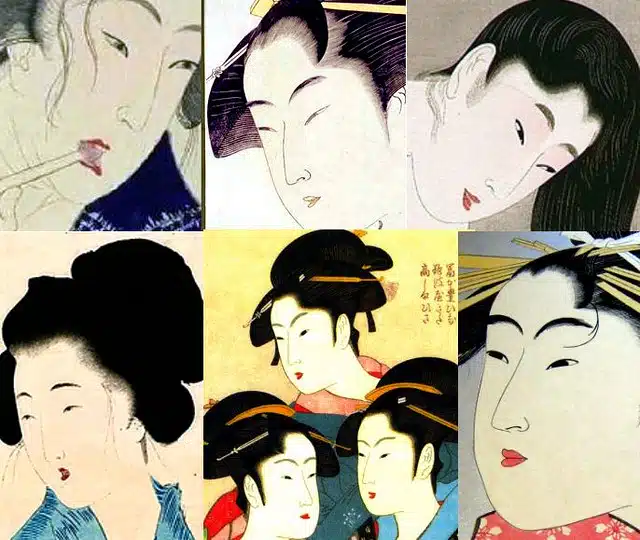
This article examines how beauty standards in Japan have changed over time, from traditional values and customs rooted in Confucianism to the influence of K-pop and Korean culture today. It looks at how physical appearance is viewed in Japan, including traditional concepts of beauty such as pale skin for women and dark skin for men, and the impact of media and technology on modern beauty standards. It also explores how globalization has impacted beauty standards in Japan, with the rise of international fashion trends through social media or television shows featuring models from other countries.
What are the beauty standards in Japan?

What are the beauty standards in Japan?

This article explores the beauty standards in Japan, including makeup and hair styles, skin care and whitening products, Japanese diet culture, plastic surgery in Japan, Japanese celebrities as beauty icons, and the future of beauty standards in Japan. It emphasizes natural beauty trends such as light foundation or BB cream to even out skin tone, subtle blush to highlight cheekbones, and muted eye shadows with minimal eyeliner or mascara. It also discusses straight hair being popular among both men and women in Japan, vibrant colors like pink and blue becoming increasingly popular among young people in Tokyo for hair dyeing, skin care products focusing on whitening the skin or evening out skin tone being big business in Japan, Japanese diet culture playing an important role when it comes to beauty standards in Japan with eating healthy foods like fish, fruits and vegetables being seen as important for maintaining good health which translates into good looks. Plastic surgery has become increasingly popular among some segments of society in recent years. Lastly it talks about how Japanese celebrities have
What is considered beauty in Japan?

What is considered beauty in Japan?

This article explores the concept of beauty in Japan, from its historical roots to its modern forms. Traditional aesthetics such as Wabi-sabi and Kirei are discussed, along with physical appearance and beauty standards, makeup and cosmetics, fashion trends, and modern conceptions of beauty. It is concluded that what is considered beautiful in Japan varies depending on personal preferences, cultural context, historical influences, contemporary trends, etc., but some fundamental principles remain constant such as focusing on inner qualities rather than external appearances emphasizing simplicity, modesty, humility, asymmetry and imperfection.
What do Japanese consider beautiful?

What do Japanese consider beautiful?

This article explores the unique Japanese aesthetics of beauty, which is based on the concept of "less is more" and includes an appreciation for nature, art and design, simplicity, wabi-sabi, and uniformity. These aesthetics have been part of Japanese culture for centuries and are still evident in modern fashion trends, interior design, and artwork.