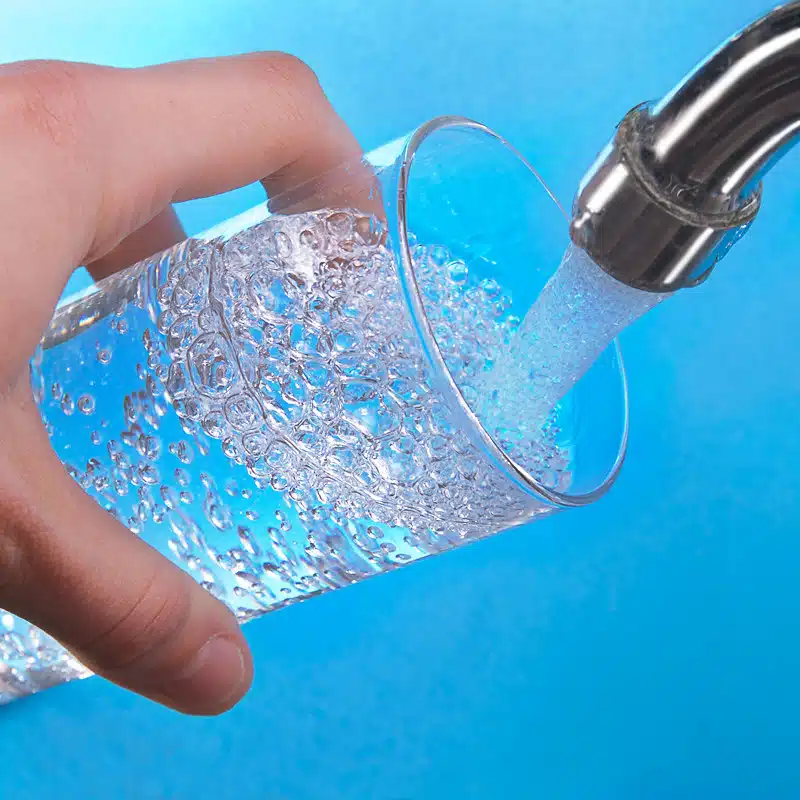
How clean is Japanese tap water?

How clean is Japanese tap water?

Japanese tap water is considered one of the safest and highest-quality sources of drinking water in the world due to its rigorous testing procedures and advanced treatment processes. While there have been concerns about residual chlorine affecting taste and odor, and potential microplastic contamination, these issues are generally not significant enough to pose a health risk. Visitors should still take precautions when drinking tap water in Japan, but overall, choosing tap water over bottled water can have a positive impact on both health and the environment.
Is it safe to drink tap water in Japan?

Is it safe to drink tap water in Japan?

This article discusses the safety of tap water in Japan. It is generally considered safe, as the Japanese government has strict regulations in place to ensure that it meets the standards for potable water set by the World Health Organization. There are both pros and cons to drinking tap water in Japan, but precautions such as boiling or filtering can help reduce any potential risk of contamination. The most common contaminants found in Japanese tap waters are chlorine compounds, heavy metals, organic matter and bacteria. There are also health benefits associated with drinking clean and filtered tap water.