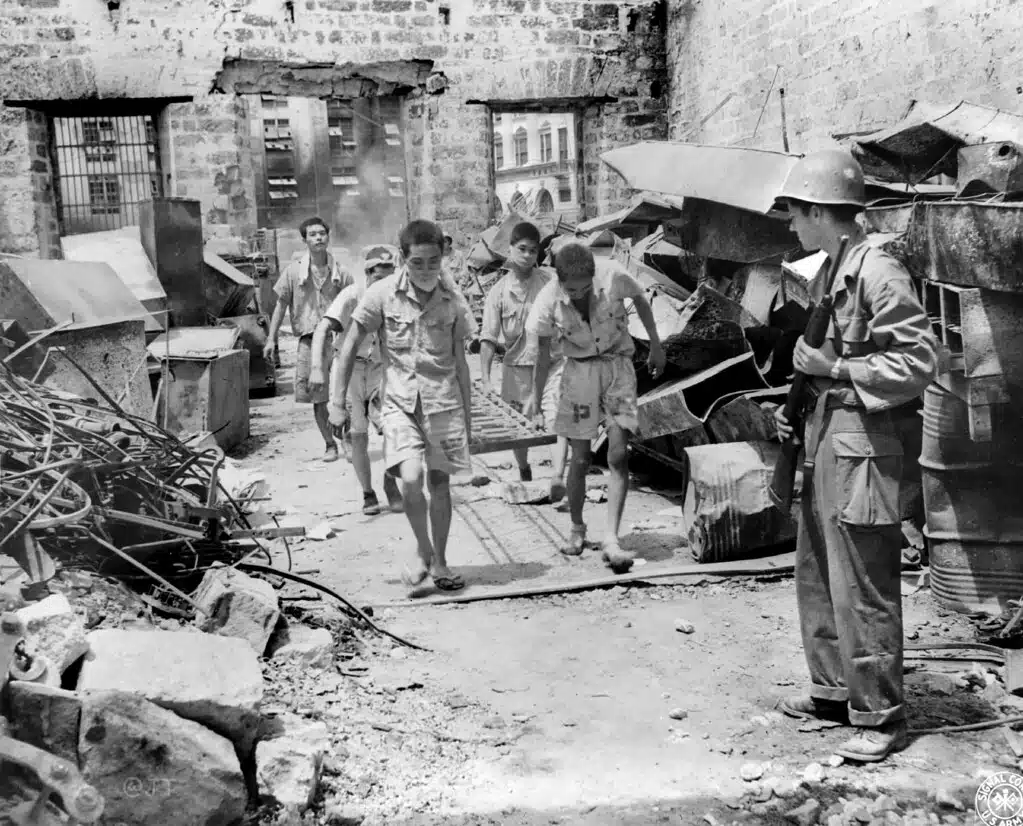
Why did the Japanese soldiers treat their prisoners so poorly?

Why did the Japanese soldiers treat their prisoners so poorly?

This article examines the reasons why Japanese soldiers treated their prisoners so poorly during World War II, including Japan's militaristic culture, cultural perspective on war, role of the emperor in military conduct and the influence of propaganda. It looks at how these factors combined to create an environment where cruel and inhuman treatment towards prisoners became accepted behavior among some members within the Imperial Army, resulting in loss of innocent lives and suffering for those unfortunate enough to be captured by them.
How did the Japanese treat their prisoners?

How did the Japanese treat their prisoners?

This article examines the mistreatment of prisoners by the Japanese Imperial Army during World War II, including the Bataan Death March, prisoner-of-war camps in Japan, and inhumane treatment of POWs. It discusses the impact of this treatment on POWs after the war and how it violates international law and human rights laws. The article concludes that these actions constitute crimes against humanity which have had lasting psychological effects on those who survived captivity.
How did the Japanese treat female prisoners of war?

How did the Japanese treat female prisoners of war?

This article examines the inhumane treatment of female prisoners of war (POWs) by the Japanese military during World War II, providing examples such as the “comfort women” system and physical and psychological abuse. It discusses how this horrific experience affected both survivors and their families and the legacy that it left behind. It is important to remember what happened so that future generations can learn from this dark chapter in history and ensure it never happens again.