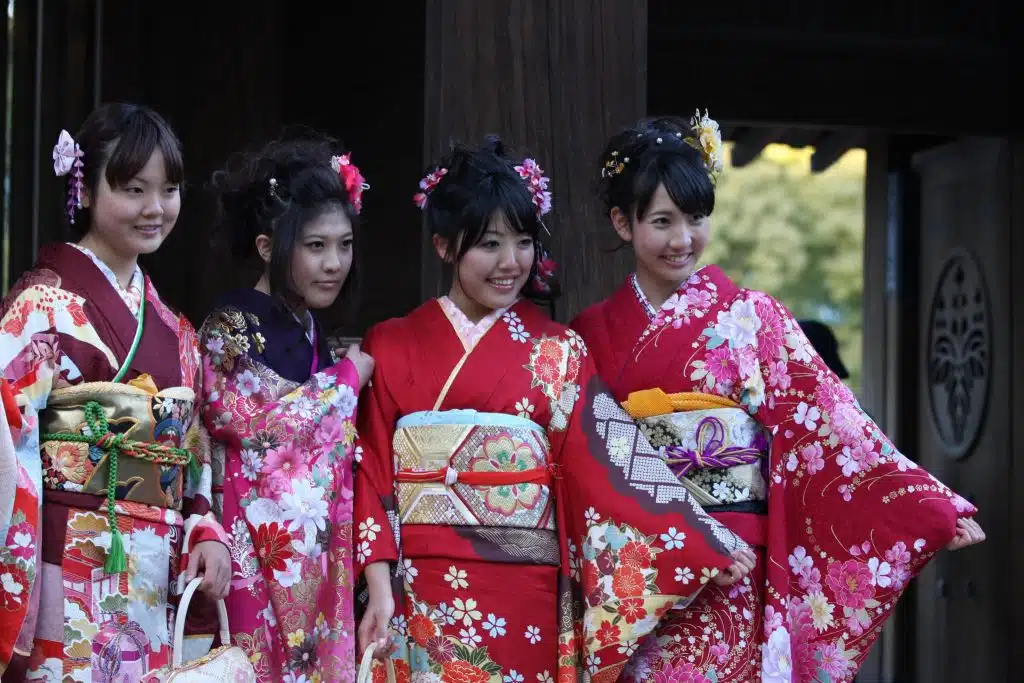
What is the masculinity vs femininity of Japan?

What is the masculinity vs femininity of Japan?

This article explores the concept of masculinity vs femininity in Japan and how it affects society today. Traditional beliefs about masculinity are still prevalent, with men expected to be stoic and strong-willed and women expected to be gentle, nurturing, and supportive of their families. Gender roles have had a major impact on Japanese society, affecting attitudes towards work, education, and social interaction between men and women. Despite some progress towards equality between genders, there is still much work left ahead before true equality can be achieved.
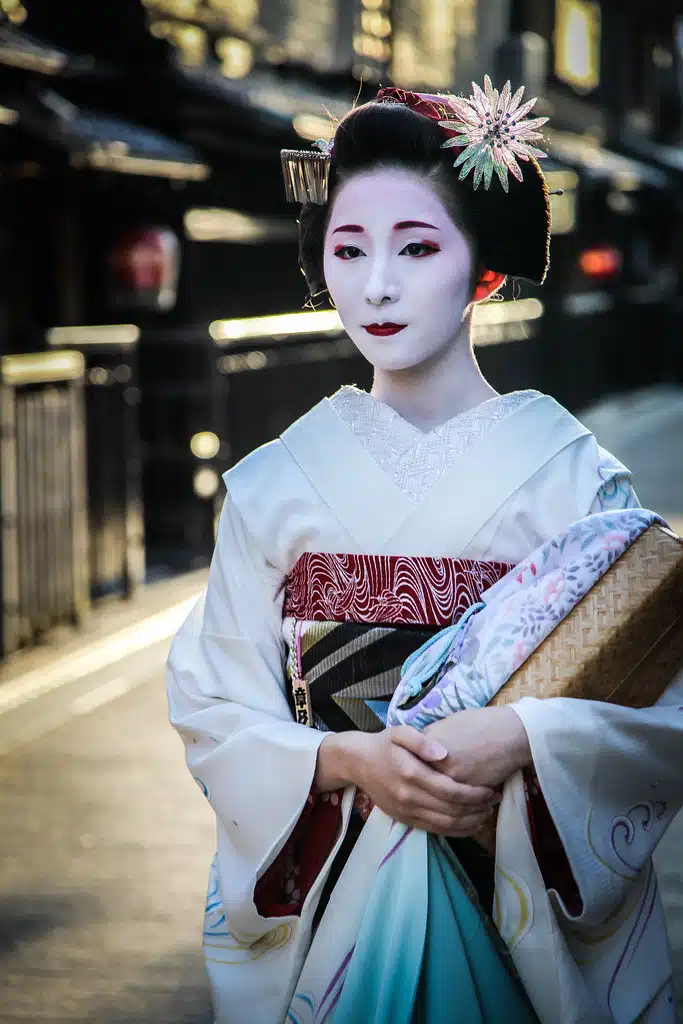
What is Japan’s women’s lifestyle?

What is Japan’s women’s lifestyle?

This article explores the changes in Japanese women's lifestyle over the past few decades. Women now have greater access to education, employment opportunities, and social activities outside of their home life. Additionally, there has been an increase in awareness about healthy eating habits due to increased media coverage. Despite traditional values still being deeply rooted within society, individuals are now more free to pursue their own interests and goals.
Is Japan a feminine culture?

Is Japan a feminine culture?

This article explores the gender roles in Japanese culture and how they have evolved over time. Historically, men were seen as breadwinners while women managed households and took care of children. However, recent years have seen an increase in female representation in business and politics, as well as more access to education for female students. Ultimately, whether Japan is considered a feminine culture depends on one's interpretation of its culture and values, but it is clear that change is happening and progress is being made.
What are women’s rights like in Japan?

What are women’s rights like in Japan?

This article provides an overview of the evolution of women's rights in Japan from the Meiji period of 1868-1912 to the present day. Despite some advances in legal protection and recognition, gender equality is still a major challenge in Japan today, with issues such as discrimination in the workplace, sexual harassment, lack of political representation, domestic violence and unequal access to education all persisting. In order to ensure true gender equality for all citizens, further reforms are needed in these areas.