Is it rude to put your elbows on the table in Japan?

Is it rude to put your elbows on the table in Japan?

The article explores the cultural significance of dining in Japan and answers the question of whether it is rude to put your elbows on the table. It discusses the importance of body language, context, respect, and adapting to local customs when navigating dining etiquette in Japan. The article also highlights the role of tradition and evolution of Japanese dining culture over time. As a foreigner in Japan, it is essential to observe those around you, follow their lead, and be respectful towards others at the table to build relationships and maintain harmony.
What clothing is inappropriate for Japan?

What clothing is inappropriate for Japan?

The article discusses the importance of etiquette and modesty in Japanese culture, particularly when it comes to clothing. Western clothing styles that are too revealing or flashy may be seen as disrespectful or attention-seeking. The article also highlights specific clothing items that may be considered inappropriate in Japan, such as tattoos, cleavage-baring tops, short shorts, mini skirts, flip flops, visible underwear, loud prints, offensive graphics, religious symbols, and bikinis in certain public places. It emphasizes the importance of being respectful of Japanese culture and traditions when choosing clothing to wear in public.
Why do Japanese bow so much?

Why do Japanese bow so much?

The practice of bowing is deeply ingrained in Japanese culture and is used as a way to show respect, gratitude, apology, or acknowledgement. Its origins can be traced back to ancient times when it was a form of showing submission to the gods. Bowing is divided into three types depending on the occasion and level of respect required. It is an essential part of Japanese business culture, martial arts, and everyday life. Bowing has physical benefits too, including improving posture and reducing stress. While some may view bowing as a sign of inferiority, it is actually a way of showing respect without compromising one's dignity.
Why is Japan so strict about time?

Why is Japan so strict about time?

Japan's strict adherence to punctuality is deeply ingrained in its culture and can be traced back to the samurai class during the Edo period. Today, being on time is viewed as a way of maximizing efficiency and productivity, showing respect for others, conforming to societal norms, and fostering positive relationships. The Japanese transportation system and educational system also place a strong emphasis on punctuality, with penalties for tardiness in some companies. Punctuality has become an integral part of Japanese identity and a source of national pride.
What is considered respectful in Japanese culture?

What is considered respectful in Japanese culture?

The article discusses various ways in which Japanese culture shows respect, including bowing, using honorifics, avoiding direct confrontation, taking off shoes indoors, not wasting food, using chopsticks properly, giving gifts, respecting personal space, keeping quiet on public transportation, dressing appropriately and being punctual. Understanding these customs can help foreigners navigate social situations effectively and show their own respect for Japanese culture and its values.
How does Japan show respect?

How does Japan show respect?

Summary:
This article explores how respect is expressed in Japanese culture. It discusses the use of formal manners, polite language, honorific titles and non-verbal gestures to show respect. It also examines some traditional customs and modern practices that demonstrate respect in Japan, such as removing one's shoes before entering someone else's home and refraining from speaking loudly on public transportation.
What is appropriate to wear in Japan?

What is appropriate to wear in Japan?

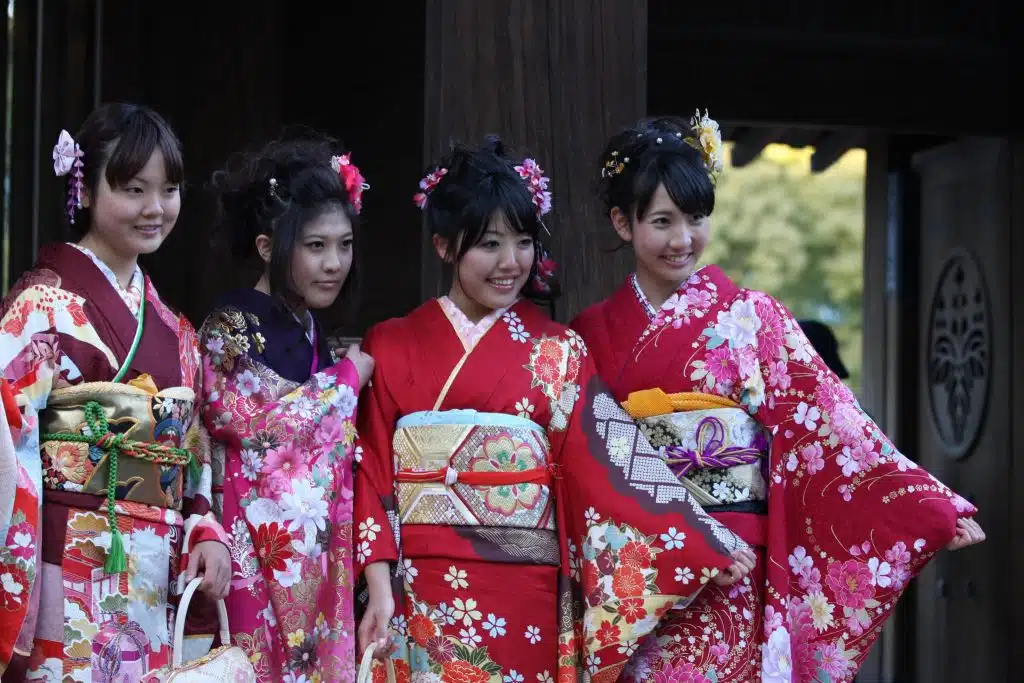
This article provides an overview of the types of clothing that are considered acceptable in Japan and tips for packing the right clothes for a trip. Traditional Japanese clothing such as kimonos should only be worn on special occasions, while lightweight fabrics such as cotton or linen should be worn during summer months and layers should be worn in winter. Cultural considerations such as modesty and cleanliness should also be taken into account when dressing in Japan, and business attire should adhere to local standards. Shopping for clothes in Japan can be an exciting experience, but sizes tend to run smaller than what one might find back home. Finally, it is important to plan ahead by researching the weather forecast and pack appropriate layers for evenings.
Is death taboo in Japan?

Is death taboo in Japan?

This article explores the historical and cultural perspective of death in Japan, how Buddhism and Shintoism have influenced views of death in Japan, how death is viewed today, and whether or not death is considered taboo in Japan. Death has been seen differently throughout Japanese history, with funerals being elaborate affairs that included rituals such as burning incense and offering food to deceased ancestors. In traditional Japanese culture, funerals are seen as important events that should be taken seriously by all involved. Buddhism has had a significant influence on Japanese views of death since its introduction to Japan during the 6th century CE while Shintoism promotes reverence for ancestors and respect for nature. In modern-day Japan attitudes towards mortality vary greatly depending on one’s religious beliefs but there is generally still a great deal of respect given towards deceased individuals regardless of faith affiliation. Although death may not necessarily be considered taboo per se, it certainly isn't openly discussed either due largely because talking about it can bring up painful emotions associated with
What is acceptable to wear in Japan?

What is acceptable to wear in Japan?

This article provides an overview of traditional Japanese clothing, as well as the rules and etiquette to follow when dressing appropriately in Japan. It explains what is appropriate for formal occasions such as business meetings or weddings, and for more casual settings such as sightseeing or dining out. It also covers the rules around shoes in Japan, providing tips on how to dress respectfully and make a good impression.
What not to wear in Japan?

What not to wear in Japan?

This article provides an overview of traditional Japanese clothing, what items should be avoided when visiting Japan, and practical tips for dressing in a respectful and fashionable way. It outlines the traditional garments such as kimonos and yukatas, items to avoid including shorts, graphic t-shirts, and revealing clothing, as well as hats inside buildings/temples. It also provides advice for dressing appropriately for special events like funerals or weddings. Finally it gives practical tips on choosing neutral colors, avoiding flashy accessories, and wearing comfortable shoes.