What is typhoon season in Japan?

What is typhoon season in Japan?

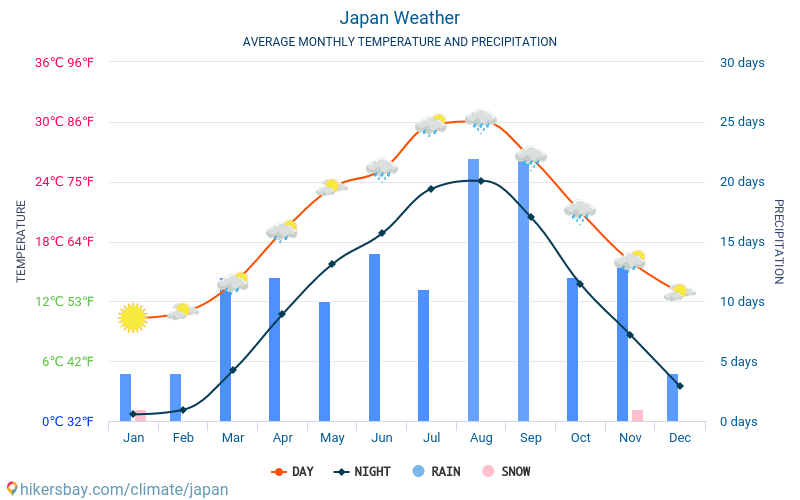
Japan experiences typhoon season from May to October, with the peak season occurring from August to September. Typhoons can cause significant damage to infrastructure, homes, and businesses, as well as landslides and flooding. Japan has a well-developed disaster management system that includes early warning systems, evacuation plans, and emergency shelters. It is important to stay informed about weather conditions during a typhoon and follow the advice of local authorities. To reduce the impact of typhoons, steps can be taken to mitigate climate change and improve disaster preparedness and response systems around the world.
Where should I go for my first time in Japan?

Where should I go for my first time in Japan?

Japan has a unique blend of ancient traditions and modern technology, making it difficult to decide what to do and where to go. For first-time visitors, Tokyo, Kyoto, Osaka, Hiroshima, Nara, Hokkaido, Okinawa, Hakone, Takayama, Kamakura, Mount Fuji and Tokyo Disney Resort are among the top destinations to consider. Visitors can immerse themselves in Japanese culture by visiting iconic landmarks like the Tokyo Tower or Kiyomizu-dera Temple and trying traditional cuisine like Kaiseki Ryori or takoyaki.
What do you need to know before going to Japan?

What do you need to know before going to Japan?

This article provides a comprehensive guide for anyone planning to travel to Japan. It covers essential topics such as climate and weather, language, currency, culture and etiquette, transportation, food, accommodation, technology, shopping, and safety. By following these tips, travelers can ensure a smooth and enjoyable trip to this beautiful country while respecting its unique culture and customs.
How long should you visit Japan?

How long should you visit Japan?

This article discusses the different factors that can influence the length of a trip to Japan, including travel goals, budget, time of year, personal interests, and transportation time. While a typical vacation to Japan lasts between 7-14 days, the article suggests tailoring your itinerary based on individual preferences and needs. The article concludes that with careful planning, any length of trip to Japan can be an unforgettable experience.
What months are typhoon season in Japan?

What months are typhoon season in Japan?

Typhoon season in Japan typically runs from May/June to October/November each year, with peak activity occurring between August/September. The southern regions of the country, including the Ryukyu Islands, are most vulnerable due to their location near the origin of many storms. People living in these areas should take precautions such as stocking up on emergency supplies, securing loose items around their homes, checking insurance policies for coverage related natural disasters and familiarizing themselves with evacuation routes and shelters. Local governments across Japan have also taken measures to reduce the impact of typhoons.
How do I plan a 4 day trip to Japan?

How do I plan a 4 day trip to Japan?

This article provides an overview of how to plan a 4 day trip to Japan, including choosing a destination, booking flights and accommodation, planning activities for each day of the trip, getting around during the trip, preparing for cultural differences, and tips for saving money. It is important to research popular attractions ahead of time, factor in transportation costs between cities or regions and any entrance fees for attractions that may be included in your itinerary. With careful planning and preparation travelers can ensure they get the most out their 4 days spent in this amazing country!
What is the cheapest month to go to Japan?

What is the cheapest month to go to Japan?

This article examines the cheapest month to visit Japan, taking into account factors such as climate/weather conditions and budget constraints. Generally speaking, December through February are considered off-peak season for tourism and offer great deals on flights and accommodation. Tips for saving money while visiting Japan are provided, as well as advice on how to plan a trip to make the most of the experience.
Is 4 weeks in Japan too long?

Is 4 weeks in Japan too long?

This article provides an overview of what to expect during a 4-week trip to Japan, the pros and cons of staying in Japan for 4 weeks, tips on how to make the most out of your 4-week trip, common mistakes to avoid when visiting Japan for 4 weeks, ways to stay healthy while traveling in Japan for 4 weeks, and FAQs about spending four weeks in Japan. Whether four weeks is too long depends on individual preferences and goals. With planning ahead, setting realistic expectations, taking breaks, staying flexible, looking into extended stays and rental apartments, taking advantage of public transport passes, researching local customs etiquette and budgeting properly travelers can maximize their experience within four week period.
What time of year is best to travel Japan?

What time of year is best to travel Japan?

This article provides an introduction to Japan and its four distinct seasons. It outlines the unique experiences that each season offers, from cherry blossoms in spring to skiing in winter. It also provides tips for planning a trip to Japan, such as researching destinations thoroughly, packing appropriately and sampling local cuisine. Ultimately, any season is a great choice for visiting Japan as it offers something special for everyone.
What month is rainy in Japan?

What month is rainy in Japan?

The rainy season in Japan is an annual phenomenon that usually occurs between the months of June and July. It is a period of heavy rainfall and strong winds, with the western parts of Honshu Island such as Hiroshima Prefecture, Ehime Prefecture, Shimane Prefecture, Yamaguchi Prefecture and Fukuoka Prefecture receiving the most rain. Despite the wet weather conditions, there are still plenty of indoor activities available for tourists who wish to explore all that Japan has to offer. With careful planning and preparation travelers should be able to enjoy their stay no matter what Mother Nature throws their way!