Posted inQuestion about Japan
Why is death impure in Japan?
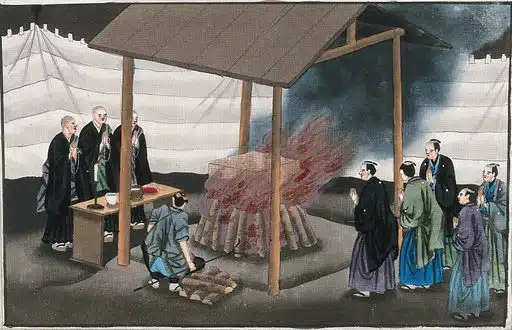
This article explores the reasons why death is seen as impure in Japan and how this affects the way people interact with the deceased. It looks at how religion, specifically Shintoism and Buddhism, play a role in this view and how to respectfully interact with the dead in Japan. The ritual of misogi is discussed as a way to purify oneself after coming into contact with death or other impure events such as illness or childbirth. It is important to remain respectful when interacting with someone who has recently passed away, such as visiting gravesites quietly without loud talking or laughter, dressing conservatively at funerals, and offering words of comfort rather than condolences when speaking about the deceased's passing.