Posted inQuestion about Japan
Why is fertility so low in Japan?
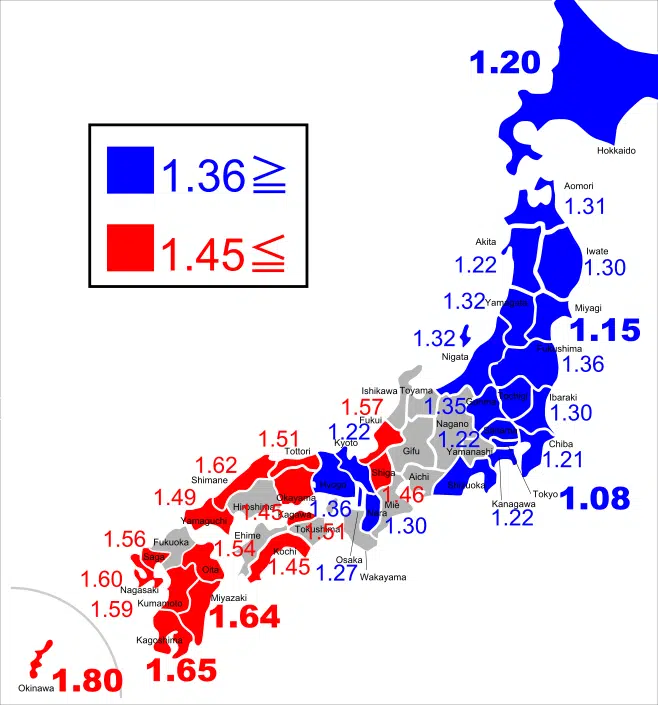
Japan has a low fertility rate, with the average number of children born to each woman in Japan being 1.43, significantly lower than the global average. This article explores the reasons behind this low fertility rate and its impact on the Japanese economy. Factors contributing to it include social pressure on women, economic pressures on couples not to have children, and government policies aimed at increasing fertility rates. These factors have resulted in an aging population that puts increased strain on resources such as healthcare services and pension funds, fewer workers entering into the labour force, and fewer opportunities available within certain industries. It is important for both public policy makers and private citizens to take action towards reversing this trend by implementing measures designed towards increasing birthrates while addressing issues related to gender roles within society that could be discouraging potential parents from starting families.