How long do Japanese tattoos last?

How long do Japanese tattoos last?

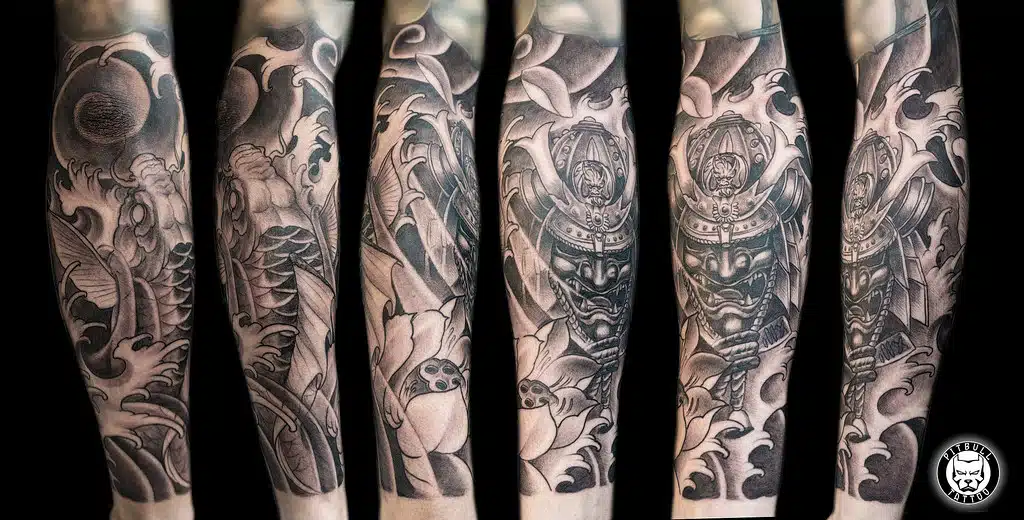
Japanese tattoos, also known as Irezumi, are a popular form of body art that involves intricate designs and patterns with significant cultural and historical meanings. The longevity of Japanese tattoos depends on factors such as ink quality, aftercare, skin type, sun exposure, touch-ups, age, and lifestyle factors. Proper aftercare and protection can help slow down the aging process and keep Japanese tattoos looking vibrant for years to come. Touch-ups may be required over time to restore vibrancy and detail.
Is it illegal to get a tattoo under 18 in Japan?

Is it illegal to get a tattoo under 18 in Japan?

Tattoos have a long and rich history in Japan, but there is a growing debate about whether or not it is legal for minors to get tattoos. The legal age for getting a tattoo in Japan is 18, and even with parental consent, some tattoo artists may refuse to work on minors due to personal beliefs or concerns about potential legal issues. Tattoos are still largely stigmatized by society in Japan, and there are health risks associated with underage tattoos. If caught illegally tattooing a minor in Japan, tattoo artists can face fines of up to 500,000 yen or imprisonment for up to one year. While there is a growing debate over whether or not the legal age for getting a tattoo should be lowered, for now, it remains illegal for anyone under 18 to get a tattoo without their parent or legal guardian's permission.
Do the Japanese not like tattoos?

Do the Japanese not like tattoos?

Tattoos have a negative perception in Japanese society due to their association with the Yakuza, Japan's mafia. Although tattoos have been a part of Japanese culture for centuries, they were banned during the Meiji period as a way to modernize Japan and make it more appealing to Western countries. Many Japanese companies have policies prohibiting employees from showing their tattoos at work, and individuals with visible tattoos may face discrimination or judgment. Despite this, there has been an increase in tattoo tourism in recent years, and some signs suggest that attitudes towards tattoos may be changing.
Why do Japanese people not like tattoos?

Why do Japanese people not like tattoos?

Tattoos are still taboo in modern Japanese society due to their historical association with criminal activity and rebellion, as well as their connection to religion and spirituality. The emphasis on conformity in Japanese culture also makes tattoos an unpopular choice for many. However, Westernization has led to greater acceptance among younger generations, and there is an underground tattoo culture that has gained popularity as a form of self-expression and rebellion against traditional values. It may take several decades before tattoos become truly mainstream in Japanese society.
Why is Japan not tattoo-friendly?

Why is Japan not tattoo-friendly?

This article examines why Japan is not considered to be tattoo-friendly, despite its long history with body art and increasing popularity around the world. Tattoos have had a long history in Japan, dating back to at least the Jomon period, but in later periods they began to be associated with criminality and outcasts from society. This has led many people within the country to view them negatively and associate them with danger or untrustworthiness. Furthermore, legal restrictions on where tattoos can be done legally make it difficult for people to get a tattoo without facing potential legal repercussions. As such, those with visible body art can face discrimination when trying to find employment or access certain public spaces such as gyms or swimming pools.
Why does Japan not allow tattoos?

Why does Japan not allow tattoos?

This article explores the history of tattoos in Japan, cultural and legal reasons why they are restricted, and attitudes of Japanese citizens towards them. Tattoos have been associated with criminality since the late 19th century due to their use by the Yakuza (Japanese mafia). There are laws banning tattooing that were passed during the Meiji era which remain largely unchanged today, making it illegal for anyone under 18 years old to get a tattoo without parental consent and requiring them to be done at licensed medical facilities. Attitudes towards tattoos vary depending on age group and social class, with younger generations being more open-minded about them. For those wishing to get a tattoo legally in Japan, options remain limited but not impossible if you know where to look.
Why is Japan strict on tattoos?

Why is Japan strict on tattoos?

Japan has a long history of tattoos, with traditional designs such as dragons and koi fish being used to convey messages and symbols for centuries. However, in recent years there has been an increase in restrictions on tattoos due to their association with organized crime groups like the Yakuza. Having visible body art can lead to discrimination, exclusion from certain establishments, and even social ostracization from family members or friends. There is no law banning tattoos but there are regulations in place that must be followed if getting one done legally. Attitudes towards body art have been shifting amongst younger generations who view them more positively than their elders, however visitors should always take into consideration both legal restrictions and social consequences before getting a tattoo while visiting or living in Japan.
Where are tattoos not allowed in Japan?

Where are tattoos not allowed in Japan?

This article explores the cultural implications of tattoos in Japan, as well as where they are not allowed and why. It covers the history of tattoos in Japan, which have been part of Japanese culture for centuries, but only recently become more accepted in mainstream society. It discusses the social stigmas attached to visible tattoos and places that actively discourage those with visible ink from entering their premises. It also covers the legalities of getting a tattoo in Japan and common misconceptions about traditional methods.
Is it OK to show tattoos in Japan?

Is it OK to show tattoos in Japan?

This article explores the history and cultural acceptance of tattoos in Japan. Tattoos have been a part of Japanese culture for centuries, but their exact origins remain unknown. Attitudes towards visible tattoos vary greatly depending on who you ask and where you go, with some people viewing them positively while others may see them as taboo or even offensive. Generally speaking, most places will not allow visible tattoos due to potential customer complaints or fear of offending someone with different views about body art. However, there are still some places where it is acceptable (or even encouraged!) for customers with visible ink to come out and enjoy themselves without worrying about judgement from others. According to Charles R Tokoyama CEO Of Japan Insiders, whether or not one can show off their tattoo depends on the situation - small discretely placed tattoos are generally okay, but larger more eye-catching designs may be met with pushback from establishments that don't want any potential negative attention drawn towards them from offended customers.
Can I study in Japan if I have tattoos?

Can I study in Japan if I have tattoos?

This article looks at the Japanese stance on tattoos and how to prepare for studying in Japan if you have visible tattoos. It covers topics such as what exceptions there may be, how to hide your tattoos while in Japan, and the potential legal implications of having visible tattoos. It also provides alternatives to hiding your tattoos, such as using special makeup or laser tattoo removal. In conclusion, it is possible to study in Japan with visible tattoos if proper preparations are taken ahead of time.