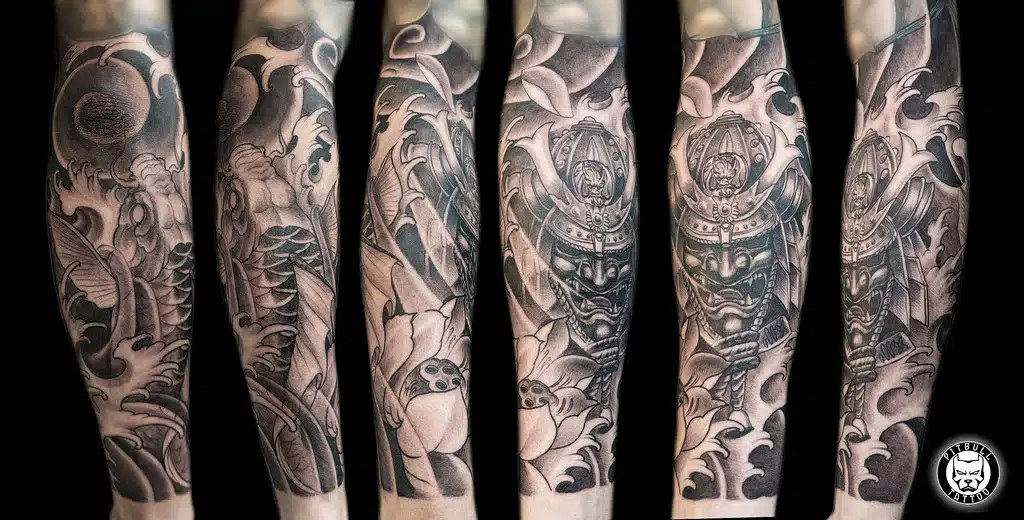
What do Japanese think of foreigners with tattoos?

What do Japanese think of foreigners with tattoos?

Japanese society has had a long and complicated history with tattoos, often associating them with criminality and social outcasts. In recent years, attitudes towards tattoos have become more accepting in Japan, however there is still a certain stigma attached to foreigners with visible tattoos. Generally, Japanese people tend to view foreigners with visible tattoos differently than those without them due to the historical context of tattooing in their culture. There are exceptions where foreigners with visible body art can feel welcome and accepted regardless of their body art choices such as tattoo studios, youth culture and certain areas within Tokyo and Osaka. It is important for visitors from other countries who plan on travelling/living/working in Japan to remember this cultural difference and take necessary precautions when visiting public places like temples & shrines.
Why is Japan not tattoo-friendly?

Why is Japan not tattoo-friendly?

This article examines why Japan is not considered to be tattoo-friendly, despite its long history with body art and increasing popularity around the world. Tattoos have had a long history in Japan, dating back to at least the Jomon period, but in later periods they began to be associated with criminality and outcasts from society. This has led many people within the country to view them negatively and associate them with danger or untrustworthiness. Furthermore, legal restrictions on where tattoos can be done legally make it difficult for people to get a tattoo without facing potential legal repercussions. As such, those with visible body art can face discrimination when trying to find employment or access certain public spaces such as gyms or swimming pools.
Can you go to Japanese bath houses with tattoos?

Can you go to Japanese bath houses with tattoos?

This article explores the history of tattoos in Japan, their association with criminals and outcasts in the past, and their current acceptance as an art form. It also looks at traditional Japanese bath houses (onsen) and whether or not people with tattoos can be admitted. While some onsens do not allow those with body art due to their historical associations, other establishments may be more lenient depending on the size of the tattoo(s). Alternatives for those with tattoos who wish to enjoy a traditional Japanese bath are also discussed.

Can a white person get a Japanese tattoo?

This article explores the history and cultural significance of Japanese tattoos, known as irezumi, which originated in Japan during the Edo period. It explains the different types of Japanese tattoos, how to find an experienced artist who specializes in this style of work, and considerations to take into account before getting one such as cultural appropriation and respect for the art form. It also covers aftercare and maintenance for a traditional Japanese tattoo. In conclusion, white people can get a Japanese tattoo if done with respect and care.
Is Japan still anti tattoo?

Is Japan still anti tattoo?

This article explores the history of tattoos in Japan, how attitudes towards them have changed over time, and whether or not there are still stigmas associated with them today. Tattoos have been used in Japan for centuries, but were once seen as a sign of criminality. In recent years, there has been a dramatic shift in attitudes due to the influence of Western culture and celebrities such as Ayumi Hamasaki embracing body art. Factors that influenced this change include increased awareness of different cultures and traditions, and social media platforms which allow people to share images of their artwork without judgement. Today, attitudes vary greatly depending on where you go within Japan itself but overall there is still some stigma attached to having visible ink on your body.
Why is Japan not tattoo friendly?

Why is Japan not tattoo friendly?

Japan has a long history of tattoos and a strong legal and cultural stigma associated with them. This can make it difficult for foreigners with visible body art to visit Japan, as they may be refused entry into certain establishments due to their tattoos. There is debate over whether or not this should change given the increasing popularity of tattoos worldwide, but until then visitors should be aware of local regulations regarding covering up any visible body art.
Can I get a job in Japan if I have a tattoo?

Can I get a job in Japan if I have a tattoo?

This article explores the issue of tattoos and job prospects in Japan. Tattoos have been seen as taboo in Japan for centuries, and while attitudes are beginning to change, they can still limit job prospects significantly. The article outlines ways to work around visible tattoos when applying for a job, as well as some exceptions and jobs that may be available to people with tattoos. It is important to remember that attitudes towards tattoos are changing and some companies may even embrace them if they fit their company culture or values.

Do Japanese people care if foreigners have tattoos?

This article explores the history and attitudes towards tattoos in Japan, from ancient times to modern day. It explains how tattoos were traditionally seen as a sign of rebellion and criminality, leading to their eventual banishment from mainstream culture. However, attitudes have shifted in recent years with many people being tolerant of foreigners who have visible tattoos when visiting the country. While there is still some degree of discrimination against those with body art, it is not widespread and ultimately individuals must decide whether they wish to get a tattoo while travelling through Japan, keeping local laws and customs in mind at all times.
Can foreigners show tattoos in Japan?

Can foreigners show tattoos in Japan?

This article provides an overview of the Japanese tattoo culture and its relation to foreigners, as well as discussing places where tattoos are allowed and not allowed in Japan. It is not illegal for foreigners to show tattoos in Japan, but certain establishments may prohibit entry if they can see a tattoo. Most casual places such as shopping malls or restaurants will generally not have any issues with visible tattoos on foreign visitors, but some traditional establishments like ryokans (Japanese inns) may refuse entry if you have visible tattoos. If asked by an establishment or individual to cover up your tattoo(s), it is best to comply out of respect for local customs and traditions.