Posted inQuestion about Japan
Do Japanese still work long hours?
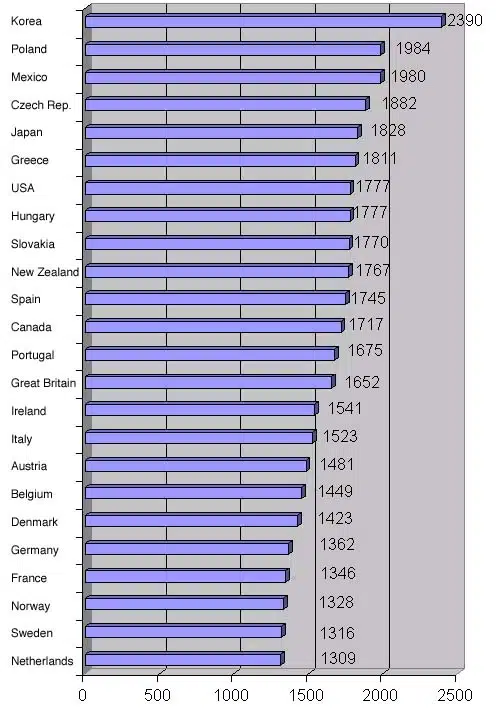
This article examines the history of long working hours in Japan, how it affects the economy and society today, and what the future may hold for work-life balance in Japan. It discusses how long working hours have their roots in Japan's feudal era, with factory workers expected to put in long hours with little rest or compensation. It also looks at how 20% of full-time employees still work at least 49 hours per week while 10% work over 60 hours per week and why this is so prevalent. The article discusses the positive and negative impacts of long working hours on the Japanese economy and society, as well as government efforts to reduce them. Finally, it looks at potential changes in the future such as increased flexible working arrangements, transparency regarding working conditions and salary packages that could lead to more leisure time outside of work commitments.