Is Japan a hygienic country?

Is Japan a hygienic country?

This article explores Japan's high standards of hygiene and cleanliness, which are evident in their cities, food safety regulations, and general level of cleanliness. It looks at specific practices such as hand washing before meals, wearing slippers indoors to avoid bringing dirt into the house, and avoiding touching food with bare hands. Additionally, it examines Japanese bathroom etiquette, food safety regulations and practices, health laws and regulations, as well as the impact of hygiene on public health in Japan. It can be concluded that Japan is indeed a hygienic country due to its strict adherence to hygiene protocols and regulations both at home and abroad.
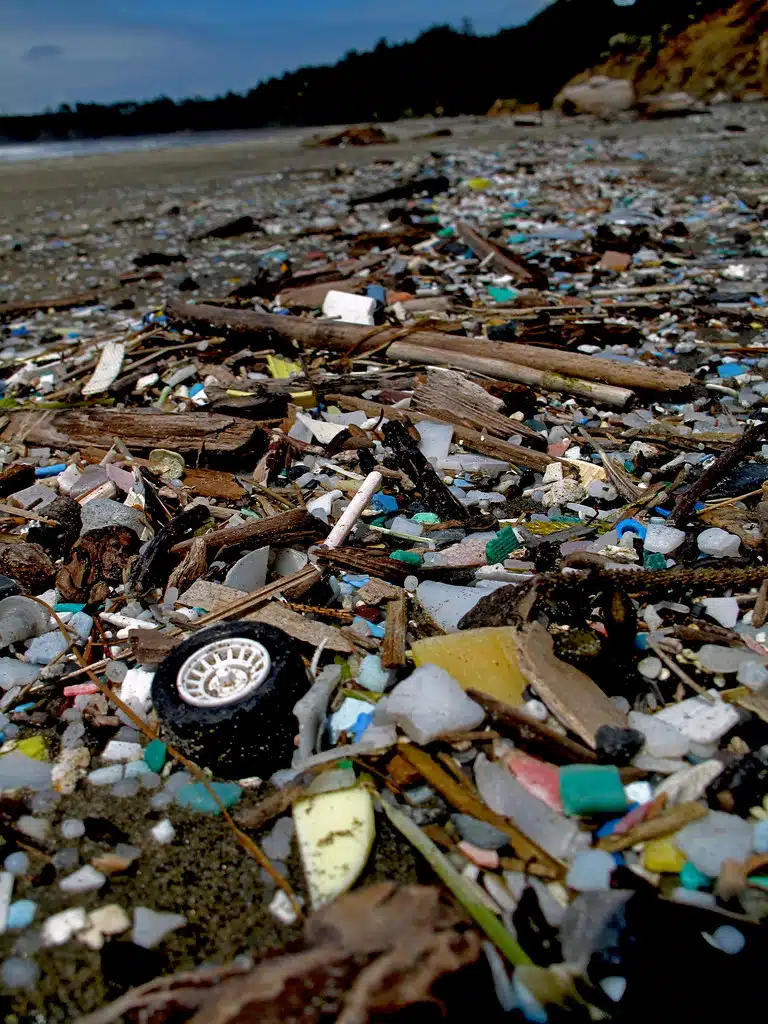
What happens if you litter in Japan?

What happens if you litter in Japan?

This article discusses the consequences of littering in Japan, which can include fines ranging from 5,000 yen to 500,000 yen and potential jail time. Education is also an important factor in preventing littering and there are several ways visitors and residents of Japan can help reduce instances of illegal dumping such as not leaving trash behind when visiting public places, reporting suspicious activity to local authorities, and donating money or time to environmental protection organizations.
Why is there no litter in Japan?

Why is there no litter in Japan?

Japan is renowned for its clean streets, free from any kind of litter. This has been achieved through a combination of cultural values such as respect for nature, strict laws and regulations discouraging improper disposal methods, educational campaigns raising awareness on proper waste disposal techniques, and innovative solutions reducing overall levels of waste generation. All these measures have resulted in a cleaner environment free from pollutants including discarded rubbish.