

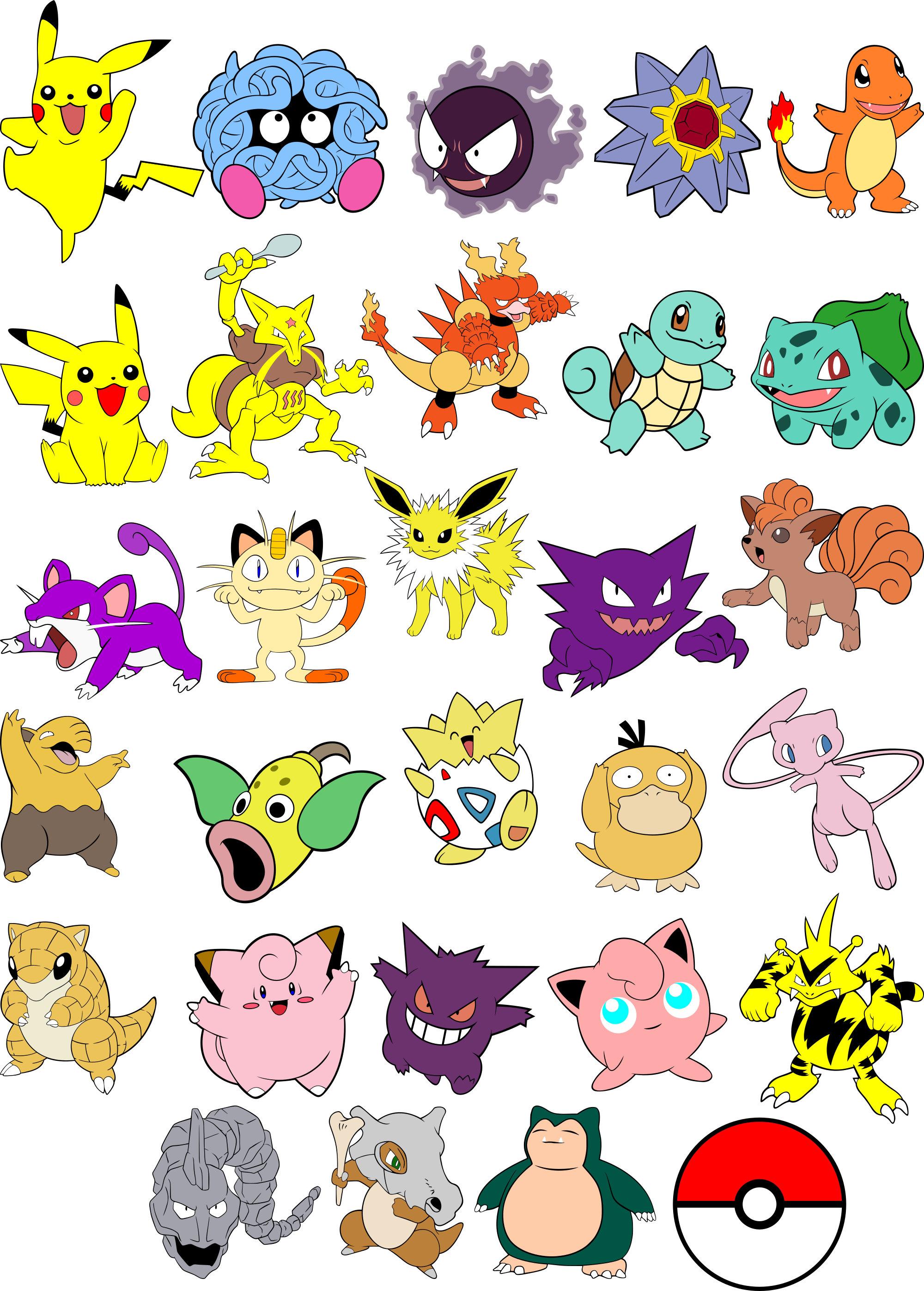
What is the difference between anime and cartoons?
Is Pokemon anime or cartoon? This question arises often among fans and newcomers alike. The world of Pokemon is vast, encompassing not only video games but also trading cards, movies, and an extensive animated series. Understanding the distinction between anime and cartoons is essential for appreciating the artistic and cultural significance of Pokemon. This article explores what defines each category, the characteristics of Pokemon as a media franchise, and offers clear insights into its classification.
Understanding Anime and Cartoons
Defining Anime
Anime is a style of animation that originated in Japan. Its unique characteristics differentiate it from Western animations, often colloquially referred to as cartoons. Here are some fundamental aspects of anime:
- Art Style: Anime typically features vibrant colors, unique character designs, and a broader range of emotional expressions. Eyes are often exaggerated, giving characters a distinctive look that is highly expressive.
No products found.
- Storytelling: Anime often delves into complex storylines with multi-dimensional characters. Themes may include personal growth, societal issues, and philosophical inquiries, allowing for deeper engagement with viewers.
- Target Audience: Anime caters to various age groups. While some series are geared towards children, others explore themes that are more suitable for older audiences. This flexibility makes anime appealing to a broader demographic.
Defining Cartoons
Cartoons can be defined as animated works produced primarily in Western countries. They are usually characterized by:
- Artistic Style: Cartoons typically maintain a more simplistic art style compared to anime. Designers favor exaggerated physical features and vibrant colors but often use less detailed expressions and backgrounds.
- Content and Themes: Most cartoons present light-hearted themes, humor, and slapstick comedy. While some cartoon series incorporate moral lessons, they do not usually explore complex issues as deeply as anime can.
No products found.
- Age Demographic: Traditionally, cartoons were made for children. However, recent trends have expanded the target demographic to include adults through shows that feature clever humor and deeper narratives.
Pokemon: An Overview
The Franchise’s Origin
The Pokemon franchise began in the 1990s with video games developed by Game Freak and published by Nintendo. The word “Pokemon” itself is a contraction of the Japanese brand “Pocket Monsters” (ポケットモンスター). The franchise rapidly expanded into other formats, including an animated television series, trading card games, movies, and merchandise.
The Pokemon Anime Series
The Pokemon anime debuted on April 1, 1997, and follows the adventures of Ash Ketchum, a Pokemon trainer, as he travels the world to become a Pokemon Master. Key elements of the anime include:
- Characters: Ash Ketchum, Pikachu, and a myriad of companions have become iconic, influencing popular culture. Each character embodies a unique personality and developmental arc throughout the series.
- Episodes and Seasons: The anime has numerous seasons and hundreds of episodes, keeping the content fresh and exciting for viewers. Each season introduces new Pokemon, regions, and challenges that the characters must face.
Pokemon Movies and Spin-offs
In addition to the main anime, several Pokemon movies and spin-offs add depth to the franchise. Notable examples include titles like “Pokemon: The First Movie” and “Pokemon: Detective Pikachu.” These films often expand on the themes and storylines introduced in the animated series.
Analyzing the Classification of Pokemon
Is Pokemon Anime or Cartoon? A Cultural Context
Given the differences between anime and cartoons, one may wonder: Is Pokemon anime or cartoon? The answer leans towards it being classified as anime, primarily due to its origin, storytelling approach, and stylistic characteristics.
- Origin: The Pokemon anime was created in Japan, aligning it closely with other ethnically indigenous forms of anime. It showcases elements that are crucial to understanding Japanese cultural influences.
- Story Arcs: The narrative depth, character development, and intricate world-building are hallmarks of anime, setting the Pokemon series apart from typical Western cartoons.
Visual Style Comparison
To illustrate the differences visually, consider the following table comparing key attributes of anime and cartoons in the context of Pokemon.
| Attribute | Anime (Pokemon) | Cartoon Examples |
|---|---|---|
| Art Style | Vibrant colors; expressive characters | Simple designs; exaggerated features |
| Target Audience | Variety: children to adult themes | Mainly children; some adult-targeted series |
| Narrative Depth | Complex storylines; character arcs | Simple plots; episodic content |
The Global Impact of Pokemon
Since its inception, Pokemon has become a global phenomenon. The popularity of the franchise has continued to grow, leading to a multitude of adaptations in various regions. The anime has been dubbed in multiple languages, making it accessible to non-Japanese audiences. Importantly, this success has paved the way for Pokemon to be recognized as a cultural export, deepening the conversation around the classification of anime vs. cartoons.
The Evolution of Pokemon as an Anime Franchise
Growth and Development
Since the original airing, the Pokemon anime has evolved significantly. New generations of Pokemon and trainers are introduced, aligning with the ongoing development of new video games and trading card series. This adaptability is a testament to its cross-media synergy, which keeps the franchise relevant and engaging.
Merchandise and Spin-offs
The Pokemon franchise’s expansion includes various merchandise, such as toys, clothing, and collectibles that cater to both young fans and serious collectors. The strategic move to diversify content through spin-off series, movies, and games bolsters its influence in pop culture.
Conclusion
the question Is Pokemon anime or cartoon? can be definitively answered by considering its origins, storytelling depth, and cultural significance. While it shares some characteristics with cartoons, Pokemon primarily embodies the qualities of anime.
By recognizing these distinctions, fans can appreciate the art and craftsmanship that goes into the Pokemon franchise. Whether you’re a lifelong fan or just beginning to explore the world of Pokemon, understanding its classification enhances the viewing experience, allowing for a richer engagement with the beloved series.
For further reading on the cultural aspects of anime, consider visiting BBC Culture and for a deeper understanding of animated storytelling, check out Anime News Network.

