

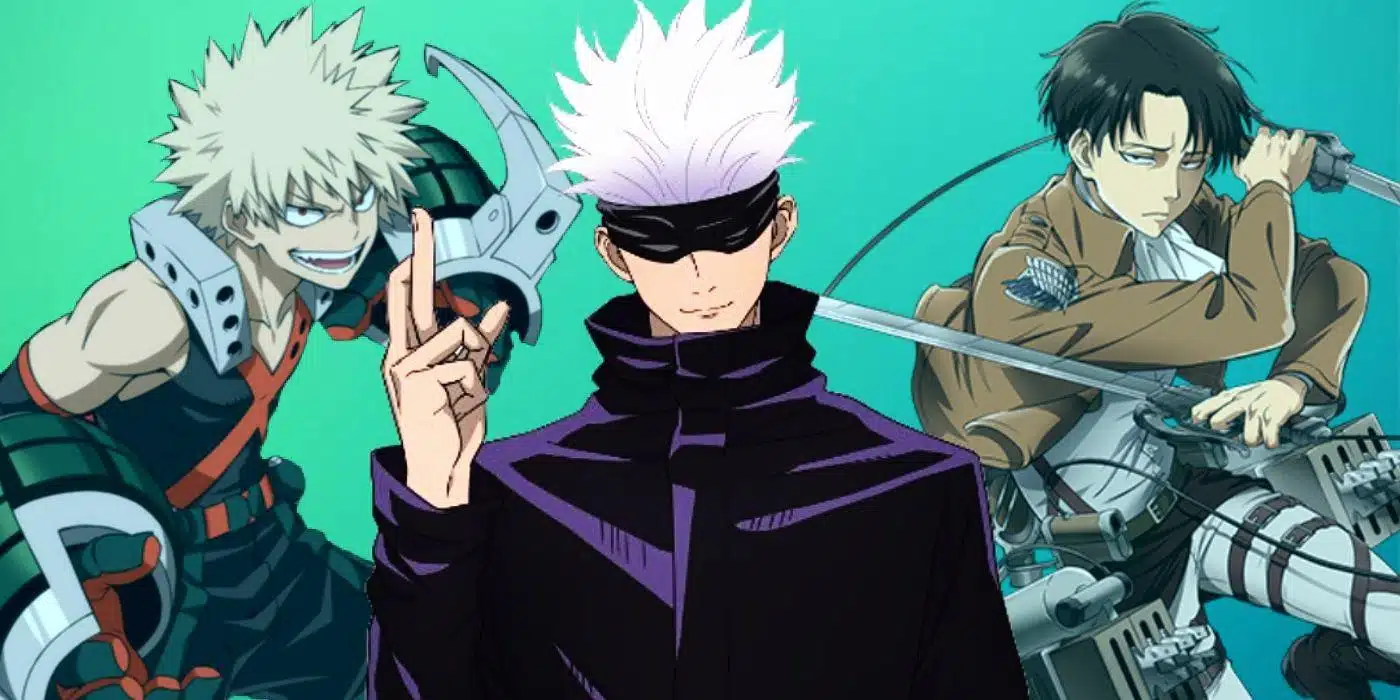
Is it common for anime to depict characters with white skin?
Why are anime characters white? This question often arises among audiences and fans of anime as they observe the varied representations of characters within this popular medium. While anime is a distinctly Japanese form of art and entertainment, many characters often exhibit features that might be perceived as Western or Caucasian. This article delves into the reasons behind this phenomenon, exploring cultural influences, artistic choices, and the evolving landscape of representation in anime.
The Influence of Cultural Context in Anime
Anime originates from Japan and is deeply rooted in Japanese culture, aesthetics, and storytelling. However, the portrayal of characters that appear to be white can be traced to several factors, including:
- Historical Influences: Japan’s interaction with Western cultures dates back to the Meiji Era (1868-1912), which led to a fascination with Western ideals of beauty and presentation. This shift is reflected in various aspects of pop culture, including anime.
No products found.
- Aesthetic Choices: Artists often employ specific styles that might result in characters being perceived as white. For instance, large eyes, light skin tones, and distinct facial features in animation can draw from Western caricatures, leading viewers to associate these traits with Caucasian features.
- Globalization of Anime: As anime has gained global popularity, creators often cater to international audiences, altering character designs to appeal to Western tastes. This strategy can influence how characters are portrayed and which traits are emphasized.
Character Design and Its Impact on Perception
Character design plays a pivotal role in shaping audience perception. Many anime creators choose to design characters based on ideals of beauty that resonate across cultures. The impact includes:
Visual Appeal and Symbolism
In anime, the use of specific color palettes and design techniques contributes to characters being perceived as white. For instance:
- Skin Tone: Light skin is often seen as a beauty standard, leading to characters with lighter complexions. This choice affects the audience’s perception of the character’s emotional states, traits, and roles within stories.
No products found.
- Exaggerated Features: The anime style often emphasizes large, expressive eyes, small noses, and delicate facial structures. These features can be less ethnically defined, leading to a more universal appeal.
Representation and Idealization
Characters in anime often represent broader themes rather than strict adherence to racial norms. As discussions around representation evolve, creators are re-evaluating their approaches:
- Cultural Stereotyping: While some attribute ethnicity or race based on appearance, it’s essential to consider narrative context. Many characters may adopt Western-inspired designs to symbolize certain traits, such as innocence or heroism, rather than a specific racial identity.
- Character Archetypes: Common archetypes in anime often align with Western cultural traits. For instance, the “heroic” character is frequently depicted with lighter skin and Western features to symbolize strength and charisma.
The Debate on Racial Representation in Anime
The question of “Why are anime characters white?” extends into the complex debate surrounding racial representation in anime. Key points of discussion include:
Cultural Authenticity Versus Global Appeal
Anime creators grapple with balancing authentic cultural narratives with the need for global market appeal. This conflict can lead to character designs that prioritize broad audience acceptance over cultural accuracy.
- Shifting Trends in Audience Reception: As anime’s popularity grows outside Japan, audiences seek authenticity and representation that reflects their own diverse backgrounds. Creators, in response, may begin incorporating a wider array of ethnic representations into their works.
The Role of Fans and Community
Fan engagement has increasingly influenced character design and representation in anime. Online platforms allow fans to express their desires for inclusive representation, prompting creators to respond accordingly.
- Feedback Mechanisms: Fans often use social media to discuss portrayals, urging studios to take diversity into account. This avenue of dialogue is crucial for addressing audiences increasingly demanding representation that resonates with their identities.
Collaboration with Diverse Creators
Another significant factor is the growing collaboration between Japanese creators and international artists. Such partnerships bring about a fusion of styles and culturally diverse representation that reflects a broader range of experiences.
- Emerging Voices: With more creators from diverse backgrounds entering the anime industry, audiences can expect richer, more nuanced portrayals of characters, shifting away from the patterns of the past that led to the question, “Why are anime characters white?”
The Evolution of Anime and Diverse Characters
Anime continues to evolve, with an increasing focus on inclusivity and authentic representation. These changes are evident in recent trends, reflecting the industry’s responsiveness to audience demands.
Breaking Stereotypes
Certain anime series have begun to challenge traditional character designs, embracing a variety of ethnic backgrounds. This trend is indicative of wider shifts in societal attitudes toward race and representation.
- Positive Representation: Shows that feature characters from different racial and ethnic backgrounds allow for richer storytelling. Examples can include characters that display cultural elements authentically, rather than through Westernized lenses.
- Complex Narratives: More anime are being produced with diverse casts, allowing for intricate narratives that explore cultural dynamics and interactions among different character backgrounds.
Examples of Diverse Anime Characters
The anime universe does feature characters that break the mold of stereotypical representation. Here are a few examples:
| Anime Title | Diverse Characters | Characteristics |
| Attack on Titan | Levi Ackerman | Complex heritage, multi-national themes |
| The Rising of the Shield Hero | Raphtalia | Rich cultural history, diverse storytelling |
| Carole & Tuesday | Carole Stanley | Mixed-race identity, musical influences |
The Future of Anime: A Diverse Landscape
The future of anime promises a movement toward more inclusive storytelling that accurately reflects the diversity found in audiences worldwide. Reasons to remain optimistic include:
Increased Awareness and Activism
As more viewers advocate for representation, the anime industry becomes increasingly aware of the necessity for inclusivity.
- Industry Responses: Creators and studios are beginning to prioritize diversity in character creation, recognizing that it’s not just an aesthetic choice but a crucial element of storytelling.
Global Influence on Anime Trends
With the rise of streaming platforms, anime can reach international audiences more readily. This exposure is gradually encouraging studios to diversify character designs and plots to reflect a broader audience base.
- Emerging Genres: Genres like isekai often lend themselves to showcasing diverse individuals, which can encourage further inclusive representation.
Conclusion
Understanding “Why are anime characters white?” is essential in comprehending the artistic, societal, and cultural intricacies of anime as a medium. Anime reflects pertinent issues surrounding race, culture, and representation, illuminating the ongoing dialogue within the art form. As the industry continues to adapt and evolve, the hope for a more inclusive representation of characters becomes increasingly attainable, offering audiences a richer and more diverse experience reflective of the world we live in.
For more insight into the cultural significance of anime, refer to this article. Additionally, for more on representation in anime, check out this exploration.

