
What are the key stages in the production of an anime?
Producing an anime is a multifaceted process that blends creativity and technical prowess. The intricate layers involved in understanding how an anime is made encompass various stages of production including planning, scripting, storyboarding, animation, and post-production. This article delves deeply into each of these phases, providing a comprehensive overview to enhance your understanding of this beloved art form.
No products found.
Planning the Anime Project
The journey of how an anime is made begins with careful planning. Before any animation takes place, producers and creators outline the core concepts of the anime, define its target audience, and establish the tone and style of the series. Here are critical elements of the planning phase:
No products found.
Concept Development
-
- Storyline: The foundation of any anime starts with a compelling storyline. Writers brainstorm ideas, develop plots, and create engaging characters that resonate with viewers.
-
- Genre Classification: Anime can range from action, romance, fantasy, to slice-of-life. Identifying the genre is crucial as it influences narrative style, character design, and overall production strategies.
Budgeting and Financing
Financial backing is essential to bring an anime project to life. Producers estimate costs associated with animation, voice acting, music, and marketing. Funding sources can include:
-
- Production Companies: Major studios often fund anime with significant budgets, allowing for high-quality production values.
-
- Crowdfunding: Platforms like Kickstarter are increasingly becoming viable options for funding smaller indie animations.
No products found.
Scripting the Anime
Once the concept is pinned down, the scriptwriting phase begins. This is a critical part of how an anime is made where the story is fleshed out and dialogues are crafted.
Writing the Script
-
- Episode Structure: Each episode should be structured in a way that fits within the overarching narrative. Writers often create a series bible, outlining character arcs, major plot points, and episode synopses.
-
- Dialogue Crafting: The dialogues must reflect each character’s personality, enhancing character development and viewer engagement.
Language Considerations
For anime targeting international audiences, localization becomes vital. This process involves adapting scripts to different languages while preserving the meaning, emotion, and rhythm of original dialogues.
No products found.
Storyboarding the Anime
With a finalized script in hand, the storyboarding process begins, solidifying the way how an anime is made translates visually.
Visual Storytelling
-
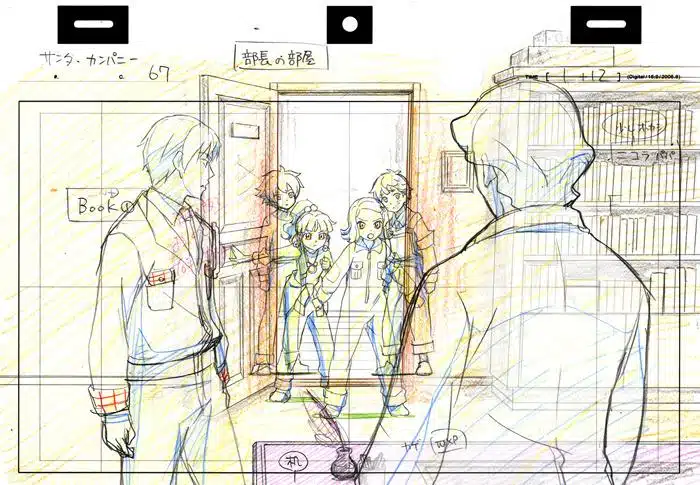
- Sketching Scenes: Storyboards consist of a sequence of sketches that illustrate key frames and actions in each scene, complete with dialogue and direction notes.
-
- Pacing and Timing: Utilizing storyboards allows for better pacing. Creators can adjust timing to ensure that the emotional beats of the story resonate with viewers.
Collaboration
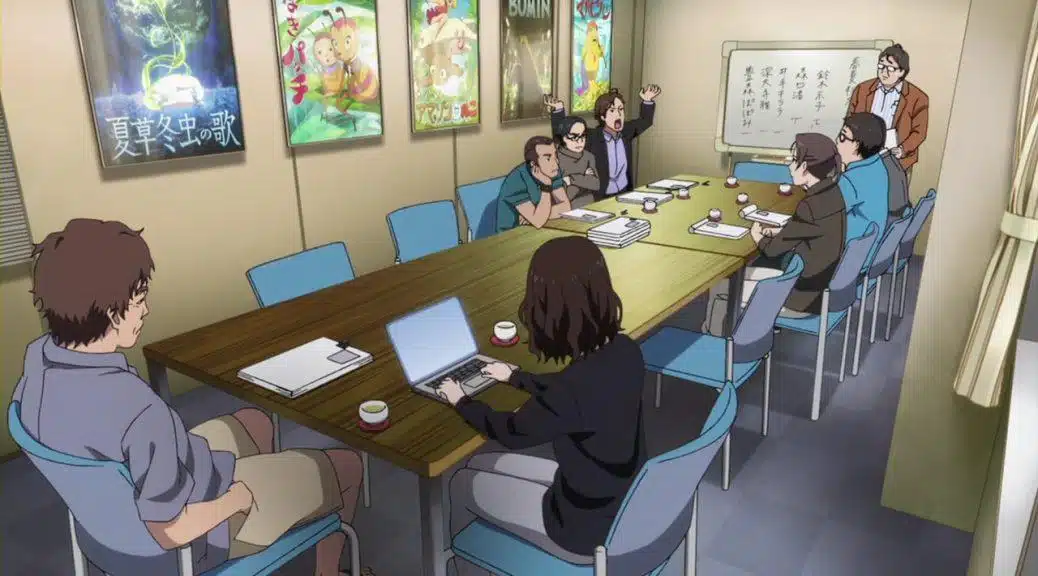
This phase often sees collaboration between directors and animators. Each storyboard requires input and approval from various departments, ensuring that everyone is on the same page regarding the look and feel of the anime.
Character Design and Development
Character design is a pivotal aspect of how an anime is made. This involves crafting visually striking and relatable characters that capture the audience’s attention.
Designing Characters
-
- Art Style: The character’s design should align with the overall art style of the anime. Animators may choose between diverse styles ranging from highly detailed to more simplistic, cartoon-like visuals.
-
- Character Traits: Designers incorporate unique traits and outfits that represent the character’s personality. This helps viewers connect with characters on a deeper level.
Voice Casting and Performance
Casting voice actors (seiyuus) is another crucial step. Strong performances enhance character believability and emotional impact. The connection between the character’s design and its voice is essential for audience immersion.
Animation Production
The animation phase is where the magic happens. This is the longest and most labor-intensive part of how an anime is made.
Animation Techniques
-
- 2D vs. 3D Animation: Traditional anime primarily uses 2D animation. However, with advancements in technology, many studios incorporate 3D elements.
-
- Keyframe Animation: This method requires animators to create critical frames of action, with in-between frames filled in later.
Execution of Scenes
-
- Background Art: While characters are animated, background artists create the settings that bring each scene to life. These backgrounds are meticulously crafted to match the atmosphere of the show.
-
- Special Effects: Animation studios often employ software for visual effects that complement the action and emotional tone of scenes.
Post-Production and Final Touches
After animation wraps, the post-production process begins. Understanding this part of how an anime is made is essential, as it involves crucial elements that finalize the anime for release.
Editing
-
- Cutting Footage: Editors review all animated footage to ensure continuity and smooth transitions. They might cut content that does not flow with the narrative.
-
- Sound Design: Adding sound effects and refining audio balances the anime visually and aurally, enhancing the viewing experience.
Music and Scoring
Music plays a pivotal role in setting the mood. Composers craft scores that elevate emotional scenes. Opening and ending credits songs often become iconic aspects of the anime itself.
Marketing and Distribution
Once the anime is completed, effective marketing strategies are vital to ensure that it reaches the intended audience.
Promotional Strategies
-
- Trailers: Producing engaging trailers to showcase the anime, highlighting character moments, voice performances, and animation quality.
-
- Social Media Campaigns: Utilizing platforms like Twitter, Instagram, and YouTube for promotional content that generates buzz prior to the release.
Distribution Channels
-
- Broadcast and Streaming: Depending on the target market, producers negotiate with networks and streaming platforms like Crunchyroll or Netflix for broadcasting rights.
-
- Merchandising: Popular anime often extends its brand through merchandise, including figures, apparel, and accessories.
The Evolution of Anime Production
The way how an anime is made has evolved with technology and audience preferences. Emerging technologies like virtual reality (VR) and artificial intelligence (AI) are beginning to influence how stories are animated and how viewers interact.
Impact of Technology
-
- Digital Animation Tools: Modern studios make use of advanced software for animation, rendering, and editing, significantly enhancing quality and efficiency.
-
- AI Innovations: AI assists in various stages, from automating repetitive tasks to generating backgrounds, allowing artists to focus more on creativity.
Conclusion
Understanding how an anime is made reveals the intricate collaboration between writers, directors, animators, and artists. Each step, from planning and scripting to post-production and marketing, plays a vital role in creating compelling content that captivates audiences worldwide. As the medium continues to evolve, so too will the methods of anime production, promising exciting developments for both creators and fans alike.
For more detailed insights into the anime production process, check out reputable resources such as Anime News Network and Anime Lab.

