

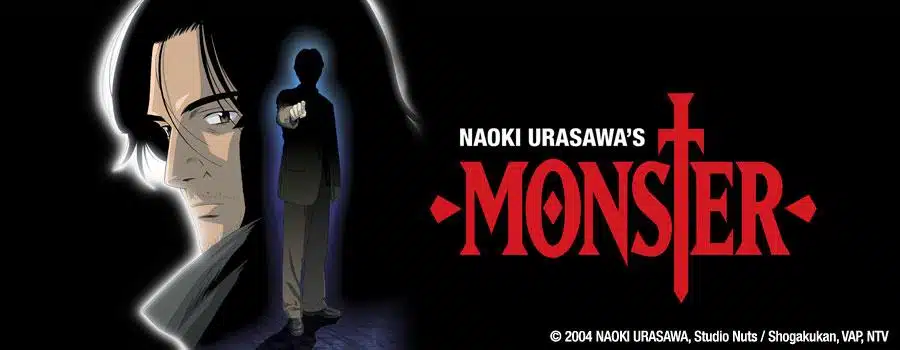
What themes does the anime ”Monster” explore?
Who wrote monster anime? This question often arises in discussions surrounding the acclaimed series that has garnered a massive following and significant critical acclaim. The anime adaptation of the psychological thriller “Monster” showcases not only complex characters and enthralling storytelling but also raises moral and ethical questions that resonate deeply with viewers. To understand the roots of this masterpiece, it’s essential to explore its creators, the source material, and the lasting impact on the anime industry.
Origins of Monster Anime
The “Monster” anime adaptation is based on the manga of the same name, penned by Naoki Urasawa. Urasawa is a renowned Japanese manga artist known for his intricate storytelling, deep character development, and suspenseful narrative style. His works often explore the darker sides of humanity, with “Monster” being one of his most celebrated contributions.
Naoki Urasawa’s Career Overview
Naoki Urasawa’s career has been marked by several significant milestones. He has produced an impressive body of work, with “Monster” being a key highlight due to its profound narrative and psychological depth. Urasawa was born in 1960 and made his debut in the late 1980s. Over the years, he has become a household name in the manga industry, with various critically acclaimed series, including:
- Used Book in Good Condition
- George Trombley (Author)
- English (Publication Language)
- 376 Pages - 08/22/2014 (Publication Date) - Learn From Zero (Publisher)

- Ken Fukuyama, Yuki Fukuyama (Author)
- English (Publication Language)
- 246 Pages - 10/11/2022 (Publication Date) - Independently published (Publisher)

- Used Book in Good Condition
- Sumiko Uo (Author)
- English (Publication Language)
- 6 Pages - 01/01/2005 (Publication Date) - BarCharts Publishing Inc. (Publisher)
- “20th Century Boys”: A science fiction thriller that delves into themes of friendship and betrayal.
- “Pluto”: A reimagining of Osamu Tezuka’s “Astro Boy” that highlights the concept of what it means to be human.
- “Yawara!”: A sports comedy that garnered significant popularity and adaptations.
His unique style often incorporates suspense and elements of mystery, keeping readers engaged and invested in his characters.
The Manga: A Closer Look
The “Monster” manga was serialized in Weekly Big Comic Spirits from 1994 to 2001, spanning 18 volumes in total. The story follows Dr. Kenzo Tenma, a Japanese neurosurgeon living in Germany, who becomes embroiled in a moral quandary when he saves the life of a young boy, Johan Liebert, over a prominent politician. This decision sets off a chain of events that leads to horrifying consequences, emphasizing the themes of morality, guilt, and the essence of evil.
Key Characters in Monster
The characters in “Monster” are richly developed, making them integral to the storytelling. Here’s a brief overview of some notable characters:
- Used Book in Good Condition
- George Trombley (Author)
- English (Publication Language)
- 376 Pages - 08/22/2014 (Publication Date) - Learn From Zero (Publisher)
- Ken Fukuyama, Yuki Fukuyama (Author)
- English (Publication Language)
- 246 Pages - 10/11/2022 (Publication Date) - Independently published (Publisher)
- Used Book in Good Condition
- Sumiko Uo (Author)
- English (Publication Language)
- 6 Pages - 01/01/2005 (Publication Date) - BarCharts Publishing Inc. (Publisher)
| Character | Description |
|---|---|
| Kenzo Tenma | A talented neurosurgeon who struggles with the ethical implications of his choices. |
| Johan Liebert | The enigmatic child whose life Tenma saves, later revealed to embody the essence of evil. |
| Nina Fortner | An amnesiac woman who plays a crucial role in unraveling Johan’s past. |
| Inspector Lunge | A determined detective who becomes obsessed with capturing Tenma. |
This comprehensive character study enhances the narrative and captivates the audience, leading them to ponder profound questions about humanity and morality.
The Anime Adaptation of Monster
In 2004, the “Monster” anime debuted, adapting Urasawa’s manga into a compelling animated series. Directed by Masayuki Kojima and produced by Madhouse, the anime comprises 74 episodes, bringing Urasawa’s intricate storylines and vivid characters to life.
Production Team Behind the Anime
The meticulous production of the Monster anime contributed to its success. Here are key figures in its development:
- Director: Masayuki Kojima is known for his acute narrative understanding and ability to translate complex themes into engaging visuals.
- Script Supervisor: The script adaptation was handled by Yoshihiro Nishimura, who adeptly captured the essence of Urasawa’s writing.
- Music Composition: Kuniaki Haishima provided the hauntingly beautiful soundtrack that added emotional depth to the series.
Visual and Audio Aesthetics
The anime’s visual storytelling utilizes sharp contrasts and detailed backgrounds that encapsulate the chilling atmosphere present in Urasawa’s manga. Furthermore, the haunting score enhances the suspenseful motifs pivotal to the series, engaging viewers on multiple sensory levels.
Themes and Motifs in Monster Anime
“Monster” is celebrated not only for its storyline but also for the rich themes woven throughout the narrative. Exploring multifaceted moral dilemmas, the anime invites viewers to reflect on profound ethical issues.
Exploration of Morality
One crucial theme explored in “Monster” is morality. The narrative challenges viewers to evaluate the decisions of characters like Kenzo Tenma. By saving Johan, Tenma inadvertently unleashes a monstrous force upon the world, forcing viewers to question:
- What is the nature of good and evil?
- Can one act lead to irreparable consequences?
The series unpacks the complexities of human nature, illustrating that moral decisions are rarely black and white.
The Nature of Evil
Through its characters, particularly Johan Liebert, “Monster” delves deep into the nature of evil. Johan’s character raises important questions about whether evil is innate or cultivated through experiences. The ambiguity of his character encourages discussions that resonate with psychological and philosophical inquiries into humanity.
Legacy and Impact of Monster Anime
The impact of the “Monster anime” extends beyond its initial airing. It has left a lasting legacy within the anime community and continues to influence contemporary works.
Critical Reception
The anime garnered praise for its storytelling, character development, and psychological depth. It is often cited as one of the best psychological thriller anime of all time. Sites like MyAnimeList and Anime Planet reflect high ratings, illustrating its continued relevance and appeal.
Influence on Future Works
Many contemporary creators cite “Monster” as an inspiration for their works. The balance of suspense, compelling character arcs, and intricate storytelling has encouraged creators to explore dark themes within their narratives.
Moreover, Naoki Urasawa’s storytelling techniques have paved the way for incorporating moral ambiguity in anime and manga, shifting the narrative landscape toward more complex themes.
Conclusion
the question, “Who wrote monster anime?” leads us deep into the world of Naoki Urasawa, a master storyteller whose manga and subsequent anime adaptation have made significant waves in the industry. Through its examination of profound themes such as morality and the nature of evil, the “Monster” anime serves as a powerful narrative that engages audiences on multifaceted levels.
As we continue to explore the ramifications of Urasawa’s work, the implications resonate well beyond the screen or page, urging viewers and readers to reflect on the inherent complexities of the human condition. If you want to dive deeper into the journey of “Monster,” consider checking the original manga and exploring the fascinating storytelling techniques employed by Urasawa through this link. For additional resources on the impact of anime on culture, please visit Anime News Network.
