

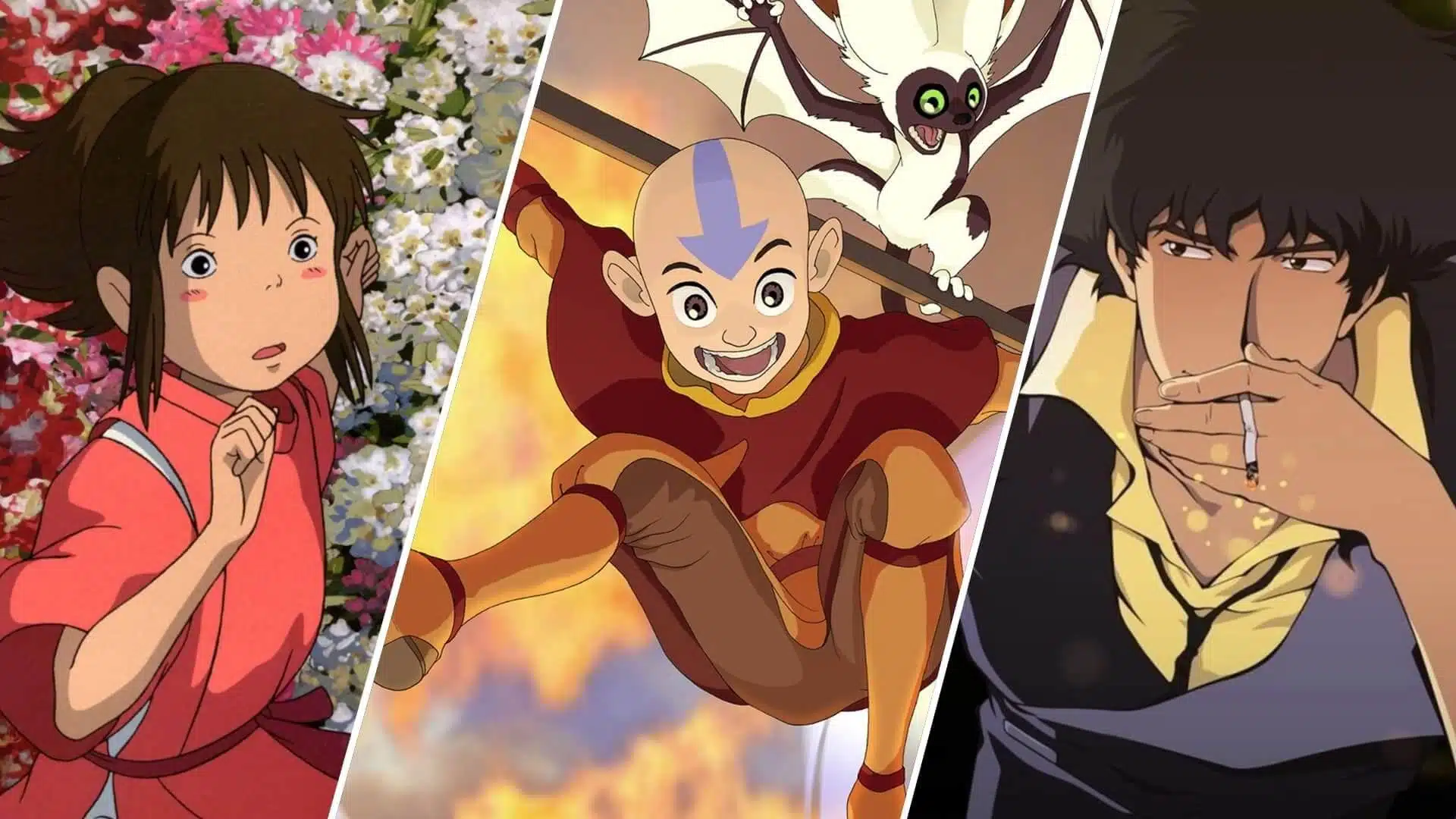
Are there different styles or genres of anime?
Where did the name anime come from? This question often arises among fans and newcomers to the world of Japanese animation. Understanding the origins and evolution of the term provides valuable insight into how anime has become a global phenomenon. This article will explore the etymology of the word “anime,” delve into its historical context, and examine how its usage has transformed over the decades.
Understanding Anime Through Its Etymology
The term “anime” is derived from the English word “animation.” However, it is important to note that the Japanese pronunciation gives it a unique cultural significance that extends beyond just the concept of animated films or television shows. In Japan, “anime” refers to all forms of animation, regardless of origin. This highlights a crucial distinction in how the term is perceived both in Japan and internationally.
No products found.
Cultural Significance of Anime in Japan
Japanese anime holds a special place in the cultural landscape of Japan. Unlike in many Western countries where animation is often associated primarily with children’s content, in Japan, anime spans genres and age groups. This wide-ranging appeal is a significant factor in its popularity and the evolution of the name “anime” over time.
The Evolution of Anime as a Genre
The history of anime can be traced back to the early 20th century. The first Japanese animation works were heavily influenced by Western animation. As the medium developed, anime began to establish its unique style, storytelling techniques, and artistic sensibilities.
Early Influences and the Birth of Anime
- The earliest forms of animation in Japan were influenced by silent films and traditional art.
- Notable figures such as Jun’ichi Kōuchi and Seitaro Kitayama played crucial roles in pioneering Japanese animation in the 1910s and 1920s.
- The term “anime” began to gain traction in the mid-20th century, primarily after World War II when the animation industry began to flourish.
No products found.
The Distinct Characteristics of Anime
One of the reasons anime has become globally recognized is its distinctive features that set it apart from other forms of animation.
Key Characteristics of Anime:
- Art Style: Anime is known for its colorful artwork, vibrant characters, and fantastical themes.
- Storytelling: The narratives in anime often explore complex themes and moral dilemmas, appealing to a broad audience.
- Cultural References: Japanese culture, folklore, and societal issues often play a pivotal role in anime storytelling.
Global Expansion of Anime and Its Name
The global embrace of anime began in the late 20th century with the advent of advanced communication and entertainment technologies. The name “anime” started to be recognized beyond Japan during this period.
Milestones in Global Popularity
- The 1980s and ’90s: Iconic series such as “Dragon Ball Z” and “Sailor Moon” laid the groundwork for anime’s international fanbase.
- The Internet Age: With the rise of the Internet, fans around the world could share and discuss anime, further solidifying its cultural relevance.
- Streaming Services: Platforms like Crunchyroll and Netflix made anime easily accessible, attracting millions of new viewers worldwide.
The Impact of Fansub Culture on Anime
As anime grew in popularity outside of Japan, fansubbers played an essential role in its accessibility. Fansubbing is the process where fans add subtitles to anime series, making them available for international audiences.
Positive and Negative Aspects of Fansubbing
| Pros | Cons |
|——————————–|———————————|
| Increased accessibility | Potential copyright issues |
| Fostering community engagement | Varying quality of translations |
| Cultural exchange | Legal ramifications for creators |
The Role of Technology in the Evolution of Anime
The technological advancements of recent decades have further expanded the definition and reach of anime. Computer-generated imagery (CGI), virtual reality (VR), and streaming technologies have revolutionized how anime is produced and consumed.
Where Did the Name Anime Come From in the Context of Globalization?
With the influence of global media, the term “anime” has taken on broader meaning. In many countries outside Japan, “anime” predominantly refers to Japanese animation specifically, reinforcing its identity as a unique cultural product.
The Future of Anime and Its Name
As anime continues to evolve, so too does the understanding of its name and what it represents. The ongoing production of diverse stories and genres pushes the boundaries of traditional anime, while maintaining its unique aesthetic and storytelling style.
Conclusion: The Legacy of Anime and Its Name
understanding where the name anime came from allows us to appreciate its rich history and cultural significance. As anime continues to adapt and thrive in a global marketplace, its origins remain a vital part of its identity. The question of “Where did the name anime come from?” encompasses not just a linguistic understanding, but also an exploration of cultural exchange, artistic innovation, and the shared experiences of millions of fans around the world.
For more insights on the cultural impact of anime, check out Anime News Network or explore academic resources at JSTOR.

