

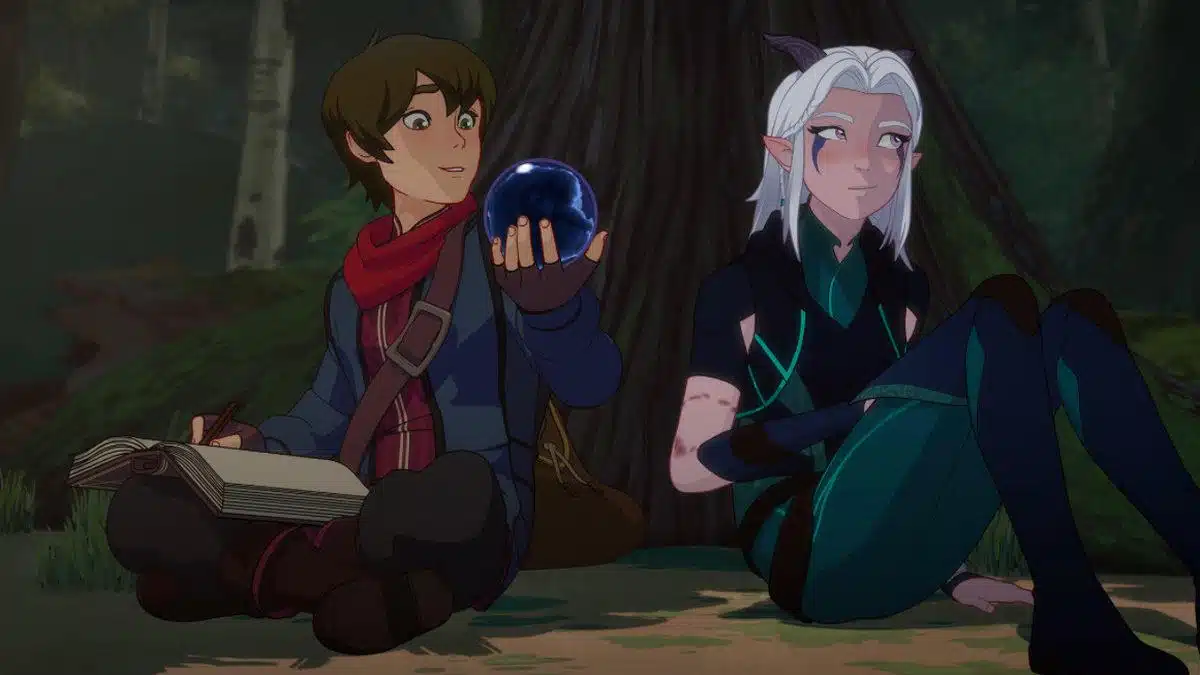
What type of animation is The Dragon Prince?
Is the dragon prince anime? Many fans of animated series often ponder this question due to its compelling storylines, character development, and stunning visuals. Understanding where The Dragon Prince fits within the broad spectrum of animation, including its similarities and differences with traditional anime, is essential for fans seeking to deepen their knowledge about this remarkable series.
Understanding The Dragon Prince
The Dragon Prince is an animated series created by Aaron Ehasz and Justin Richmond, produced by Wonderstorm in partnership with Netflix. The series debuted on September 14, 2018, and has quickly garnered a substantial following due to its enchanting world, rich lore, and relatable characters.
The Definition of Anime
Before we delve deeper, it’s important to clarify what anime is. Anime refers to a style of animation that originated in Japan and has unique artistic styles, storytelling techniques, and cultural themes. While often characterized by colorful artwork, vibrant characters, and fantastical themes, anime encompasses a broad range of genres, making it a versatile medium of entertainment.
No products found.
Differences Between Anime and Western Animation
To answer the question, ”Is the dragon prince anime?”, it’s beneficial to highlight some key differences between anime and traditional Western animation:
- Cultural Origins: Anime is specifically Japanese, while The Dragon Prince is a product of American animation traditions.
- Visual Style: Anime typically features specific stylistic elements, such as exaggerated facial features, large eyes, and unique character designs.
- Storytelling Approach: While both may include complex narratives, anime often explores deeper themes and character development in a way that may differ from Western narratives.
The artistry present in The Dragon Prince does borrow some stylistic elements commonly seen in anime, which can lead to some confusion about its classification.
No products found.
The Artistic Style of The Dragon Prince
As viewers embark on a journey through the realms of The Dragon Prince, they are greeted with a unique artistic approach that sets it apart from typical Western animation while also resonating with anime enthusiasts.
Visual Influences and Inspirations
- Blend of Western and Anime Styles: One of the most distinctive elements of The Dragon Prince is its visual style—a mixture of traditional Western animation influences with notables aesthetics found in anime. This blend creates a vibrant and engaging visual experience that captivates audiences.
- Character Design: The character designs often draw upon anime-inspired aesthetics with distinctive features, reflected in the series’ protagonist, Rayla, and the other charming characters.
Animation Techniques
The Dragon Prince utilizes a combination of computer-generated imagery (CGI) and traditional hand-drawn techniques that give it its unique visual flair. This sophisticated animation technique is notably similar to some modern anime productions.
Color Palette and Mood
The series employs a vivid and diverse color palette, utilizing lighting and shading techniques reminiscent of anime. This choice enhances the emotional depth of scenes and the overall viewing experience.
The Plot and Themes of The Dragon Prince
At the heart of The Dragon Prince lies a narrative rich with themes of family, friendship, and moral dilemmas, similar to various anime series.
Introduction to the Story
The series is set in the magical land of Xadia, where magic comes from six primal sources: the sun, moon, stars, earth, nature, and the ocean. The conflict escalates between magical creatures and humans, establishing a rich backdrop for the story.
- Core Characters: The narrative centers around three main characters — Callum, Ezran, and Rayla — as they embark on an epic quest to foster peace between humans and magical creatures of Xadia.
Compelling Themes and Character Development
- Friendship and Unity: The friendship between the main characters plays a crucial role in the narrative, akin to many anime series emphasizing camaraderie.
- Morality and Choices: The characters face moral dilemmas, portraying the theme that choices define one’s fate—a recurring theme in many anime stories.
Reception and Popularity of The Dragon Prince
The critical acclaim and growing popularity of The Dragon Prince hint at its resonance with audiences, mimicking the impact of influential anime.
Audience Engagement
The series has developed a dedicated fan base, often engaging in discussions regarding its lore and character development on social media and various platforms.
Critical Acclaim
Rotten Tomatoes has lauded the series for its storytelling and animation quality, reflecting similar praise often reserved for top-tier anime series. This has prompted audiences to draw parallels between The Dragon Prince and traditional anime.
Comparing The Dragon Prince to Anime
In evaluating whether The Dragon Prince fits into the anime category, we can explore comparative aspects to clarify the distinction and similarities.
Similarities with Traditional Anime
- Artistic Themes: Both The Dragon Prince and traditional anime often present themes of heroism, adventure, and fantasy.
- Engaging Narratives: Complex storytelling, character backstories, and emotional arcs are prevalent in both formats, keeping audiences captivated.
Differences to Consider
- Cultural Context: While The Dragon Prince may share stylistic elements, it operates within an American cultural context, distinguishing it from the cultural narratives present in most anime.
- Production Style: The production methods and target audiences differ, with anime typically catering to a variety of demographics and thematic focuses, much broader than those of American animation.
Future of The Dragon Prince and Its Legacy
As The Dragon Prince continues to unfold with additional seasons, its influence on contemporary animated series remains significant.
Upcoming Seasons and Story Arcs
The series has been confirmed for several additional seasons, promising to enhance character arcs and delve deeper into the rich lore and world-building that have captured the audience’s attention.
Influencing Future Animations
The Dragon Prince may inspire a new wave of Western animated shows, incorporating anime influences more prominently into storytelling and character development.
Conclusion: Is The Dragon Prince Anime?
Is The Dragon Prince anime? While it contains visual and thematic elements reminiscent of anime, the series is firmly rooted in Western animation as a product of American creators. Its popularity and critical acclaim, however, have opened the door to comparisons with anime, showcasing the global influence of storytelling in the world of animation.
Final Thoughts
As audiences engage more with The Dragon Prince, the lines between Western animation and anime may continue to blur. This series has certainly carved out a niche within both realms, captivating diverse audiences and encouraging a broader discussion about the future of animated storytelling worldwide.
For further information on the intricate world of The Dragon Prince and its critical reception, visit Anime News Network.
whether you consider The Dragon Prince as a unique entity within its own right or as part of the larger animation genre, its impact and storytelling excellence are undeniable, making it a timeless addition to the world of animated series.

