
How does “Invincible” compare to traditional anime series?
Is invincible anime? In recent years, the landscape of animated content has dramatically transformed, with numerous titles captivating audiences worldwide. This article delves deep into the realm of animated series and films, exploring the specific case of “Invincible” and its classification as anime while addressing broader themes within the animated genre.
Understanding Anime and Its Characteristics
Anime is a distinct style of animation that originated in Japan, characterized by colorful artwork, vibrant characters, and fantastical themes. While traditionally associated with certain narrative styles and artistic techniques, the definition of anime has evolved over time.
Key Characteristics of Anime
To determine if “Invincible” qualifies as anime, it’s crucial to understand the core characteristics that define this unique medium:
No products found.
- Art Style: Anime often features exaggerated facial expressions, vividly colored hair, and visually striking environments. The artistic choices contribute to emotional storytelling and character expression.
- Storytelling: Complex narratives that can range from lighthearted to deeply philosophical are a hallmark of anime. Characters are frequently well-developed and face challenges that resonate on personal and societal levels.
- Themes: Anime covers an array of themes, including friendship, betrayal, love, and existentialism. The depth of themes often correlates with the target demographic, appealing to both children and adults.
- Cultural References: Many anime series are steeped in Japanese culture, folklore, and societal norms, which are often reflected in their themes and character interactions.
Understanding these characteristic elements provides a foundation for analyzing whether “Invincible” aligns with the essence of anime.
No products found.
Analyzing Invincible: An Overview of the Series
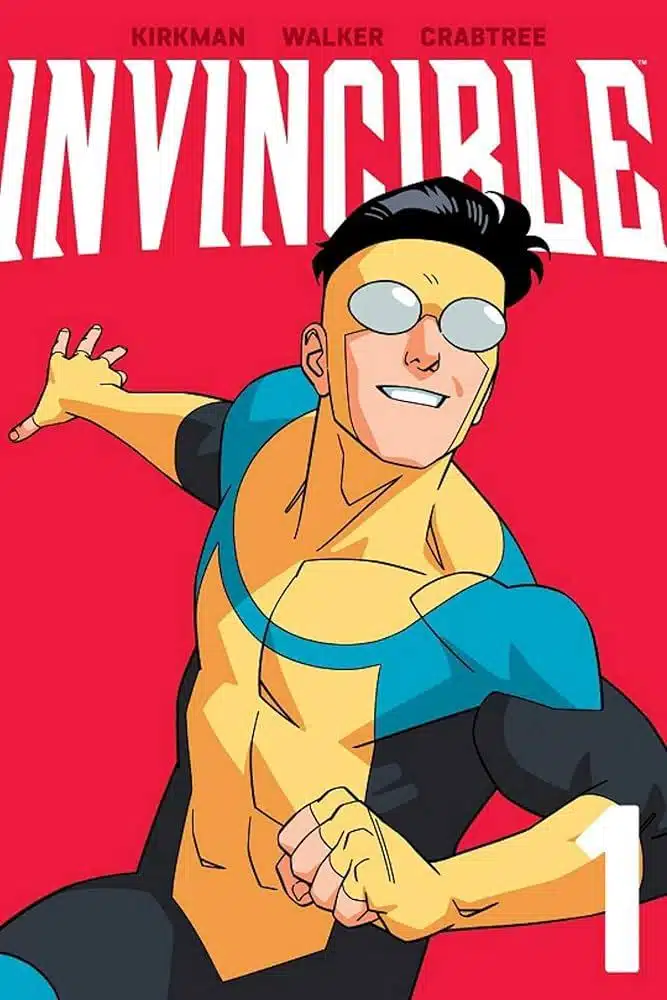
“Invincible” is a superhero animated series created by Simon Racioppa, based on the comic book series by Robert Kirkman, Cory Walker, and Ryan Ottley. The show premiered on Amazon Prime Video in March 2021 and has garnered significant acclaim for its distinct storytelling and character development.
Plot Summary
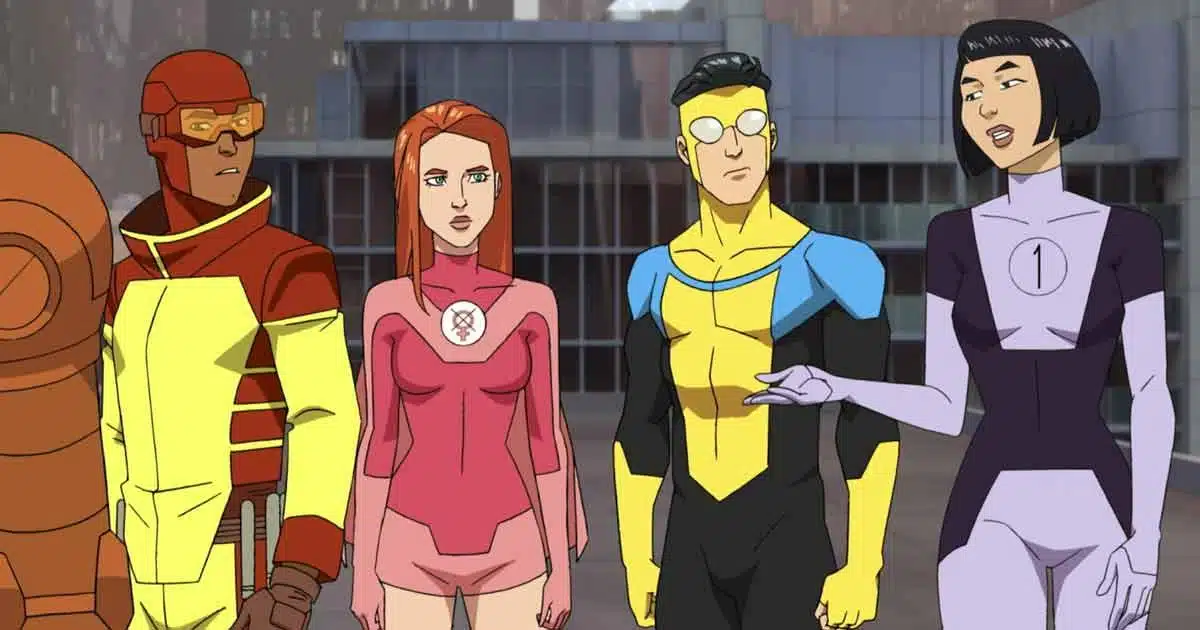
The narrative centers on Mark Grayson, a teenager who inherits superpowers from his father, Omni-Man. As Mark learns to navigate his newfound abilities, he grapples with the complexities of heroism, morality, and his relationship with his father. The storyline is filled with intense action sequences, emotional depth, and moments that challenge traditional superhero tropes.
Reception and Impact
“Invincible” has been well-received by both audiences and critics, with particular praise for its animation style and mature storytelling approach. The series blends the traditional elements of superhero narratives with rich character arcs and thought-provoking themes, making it a standout in the realm of animated content.
The Question of Classification: Is Invincible Anime?
To address the burning question, “Is invincible anime?”, we must consider both the medium and the production origin.
Origin and Production
- Creation: “Invincible” was produced in the United States by Skybound Entertainment and is aired through Amazon Prime Video, a platform not typically associated with traditional anime.
- Animation Style: The animation style in “Invincible” shares some similarities with anime, especially in character design and action sequences. However, it also retains distinct Western animation techniques that separate it from traditional Japanese anime.
Cultural Elements
Although “Invincible” embodies certain anime-like qualities, such as intense emotional storytelling, it reflects a distinctly Western perspective on heroism and moral dilemmas. The cultural references, character archetypes, and narrative structure predominantly align with Western storytelling traditions.
Conclusion on Classification
Ultimately, while “Invincible” may incorporate stylistic elements reminiscent of anime, it is not classified as anime due to its production background, cultural context, and narrative approach. Instead, it represents a blend of various animation styles, contributing to a unique hybrid identity within modern animated series.
Why Invincible Appeals to a Diverse Audience
“Is invincible anime?” may be an interesting question, but understanding the reasons for its burgeoning popularity can provide further insight into contemporary animated storytelling.
Strong Character Development
One of the standout features of “Invincible” is its deep character exploration. Viewers witness Mark Grayson’s growth as he grapples with his powers and the burdens they bring. The series doesn’t shy away from the emotional turmoil that accompanies the journey of becoming a hero.
Themes of Morality and Ethics
“Invincible” explores complex themes of morality, family dynamics, and the consequences of power. These themes resonate with viewers, prompting discussions about heroism and accountability.
Balancing Humor and Seriousness
The series effectively balances humor with serious moments. This duality enhances viewer engagement and allows for a more nuanced exploration of its themes, making it appealing to a wide audience.
Critical Acclaimed Voice Cast
The voice cast features notable actors, including Steven Yeun, J.K. Simmons, and Sandra Oh, adding depth and authenticity to the characters. This star-studded cast is integral in drawing attention to the series and enhancing emotional connectivity.
The Future of Animation: Hybrid Styles Emerging
As “Invincible” and other modern series demonstrate, the lines between different animation styles are becoming increasingly blurred. No longer confined to rigid cultural definitions, animated narratives are now embracing a more global approach.
The Rise of Global Animation
With platforms like Netflix and Prime Video promoting a diverse range of animated content, audiences are exposed to various storytelling techniques from different cultures. This globalization of animation leads to a richer viewing experience where fans can appreciate anime, Western animation, and hybrid styles.
The Future of Invincible
Following the success of its first season, “Invincible” has been renewed for additional seasons, promising to further explore the intricate narratives and character developments that fans have come to love. The future of “Invincible” looks promising as it continues to challenge traditional storytelling boundaries.
Additional Resources
For those interested in exploring more about animation styles and their classifications, the following links provide valuable insights:
Final Thoughts on Invincible and Its Place in Animation
while “Invincible” garners comparisons to anime due to stylistic and thematic elements, it ultimately stands on its own as a product of Western animation culture. The series captivates audiences with its rich storytelling, relatable characters, and exploration of profound themes.
Understanding whether “Is invincible anime?” serves as a gateway to a larger conversation about the evolving landscape of animation, where cultural boundaries are increasingly blurred, allowing for new and innovative narratives to flourish.
In a world where animation continues to grow and diversify, “Invincible” finds its place as a brilliant example of how storytelling can transcend traditional norms and appeal to an expansive global audience.

